How to Classify and Brew Coffee: 6 Methods Explained
If you’ve ever stood in a coffee shop unsure whether to order an espresso, an Americano, or try a pour-over, you’re not alone. Understanding how coffee is classified and brewed can help you make better choices and even brew better coffee at home.
Coffee broadly falls into four types: Italian-style espresso, single-origin coffee, American drip coffee, and various manual or machine-brewed styles. Each involves different brewing techniques, flavor profiles, and levels of freshness and quality control.
Coffee Classification Basics
Coffee can be grouped by how it’s made and sourced:
- Italian-style (Espresso-based): Made using a semi-automatic machine to produce espresso—a thick, concentrated shot. This base is used to create milk-based drinks like lattes, cappuccinos, and mochas.
- Single-origin coffee: Coffee sourced from one specific region or farm, often sold as black coffee. Examples include Jamaica Blue Mountain, Costa Rica, Mandheling, and Brazil.
- American coffee: Typically made using electric drip machines, resulting in a lighter-bodied and more diluted cup.
How to Assess Coffee Bean Quality
Coffee beans are graded by professional cuppers through sensory evaluation. The grading system includes:
- Grade 1 (Cup of Excellence): 84 points or higher—rare, high-quality beans often from auction lots.
- Grade 2 (Special): 80+ points—specialty-grade beans, making up just 2–3% of global production.
- Grade 3 (Good Commercial): High-quality commercial beans.
- Grade 4 (Basic Commercial): Standard commercial beans found in many chain coffee shops.
- Grade 5 (Off-grade): Poor-quality or defective beans.
Selecting and Storing Coffee Beans
When buying coffee, look for beans with detailed labeling: origin, farm, variety, and processing method. The more specific the information, the higher the potential quality. Ideal beans are freshly roasted, grown at around 1500 meters altitude, and processed appropriately.
For storage:
- Green (raw) beans can be kept for up to 1 year.
- Roasted beans are best consumed within 4 weeks of roasting. Let beans degas for at least 3 days; flavor stabilizes after about a week but remains good for up to 3 months.
- Ground coffee should be used quickly. If not, grind only as needed or divide into small portions.
6 Popular Coffee Brewing Methods
There are multiple ways to brew coffee, each affecting flavor, body, and strength differently. Here are six common methods with key details:
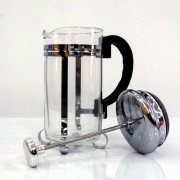
1. French Press
A simple immersion method also called the “lazy coffee” technique. Add ground coffee to a glass or metal press with a plunger. Pour water heated to 91°C over the grounds, steep for 4 minutes, then press the filter down slowly and serve.
2. Siphon
A dramatic, theatrical method using vapor pressure and vacuum. Water is boiled in the lower chamber, rises into the upper chamber with coffee grounds, and then filters back down as it cools, producing a clean and full-flavored cup.
3. Vietnamese Drip / Filter Coffee
Originating from France but associated with Vietnam, this uses a small metal drip filter (phin). Place coffee grounds in a filter with paper, pour hot water to wet them, and let it drip directly into your cup. Simple and direct.
4. Espresso
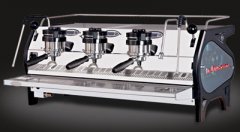
A high-pressure extraction method producing a small, concentrated shot. Coffee is tamped into a portafilter, hot water is forced through under pressure, and the result is a rich shot with crema. Traditional machines combine steam and pump pressure.
5. Pour-over
A manual, controlled method where hot water (around 90°C) is poured over coffee grounds in a filter. Start with a bloom phase: pour a little water to wet the grounds and wait 20–30 seconds. Then pour in a circular motion—center to edges and back—for 2–3 rounds.
6. Electric Drip Machine
The most common home brewing method. Uses electricity to heat water and pass it through coffee grounds in a filter, extracting flavors via a combination of time and heat—often featuring a pre-infusion or “bloom” stage.
Frequently Asked Questions
What are the main types of coffee?
The main coffee types are espresso-based (Italian-style), single-origin black coffee, American drip coffee, and manually brewed styles like pour-over and siphon. Each varies by origin, preparation method, and flavor complexity.
How is coffee bean quality graded?
Coffee beans are graded on a 1–5 scale by professional cuppers. Grade 1 (84+ points) are rare, specialty auction beans. Grade 2 (80+ points) are also specialty, making up 2–3% of global supply. Grades 3 and 4 are commercial, common in chains. Grade 5 beans are off-grade or defective.
How should I store roasted coffee beans?
Keep roasted coffee beans in an airtight container away from light, heat, and moisture. For best flavor, consume within 4 weeks of roast date. Let beans degas for 3 days after roasting, then use within a week for peak flavor, or within 3 months total.
What’s the ideal water temperature for brewing coffee?
For most manual methods like pour-over and French press, use water around 90–91°C. Espresso typically uses hotter water under pressure, while electric drip machines manage temperature internally.
How long does ground coffee stay fresh?
Ground coffee is best used as soon as possible. If not using immediately, grind only the amount you need. Pre-ground coffee can start losing flavor within hours and is generally best within a few days to a week.
Recommended FrontStreet Beans for Brewing Experiments
Try FrontStreet Coffee’s Ethiopia Humbera for floral and citrus notes, great for pour-over; PWN Golden Mandheling offers heavy body and herbal sweetness ideal for French press; and Jamaica Blue Mountain No.1 brings mild acidity and nutty tones, perfect as a single-origin drip or espresso. Freshly roasted within 5 days · Orders placed before 17:00 ship the same day · Next-day delivery across most of Guangdong Province.
FrontStreet Coffee is a long-established specialty coffee roaster in Guangzhou China, selling freshly roasted beans from its own farm in Yunnan as well as dozens of carefully selected single-origin beans from around the world for both pour-over and espresso. The products deliver consistently excellent quality and great value, with shipping within 24 hours. Guangzhou's FrontStreet Coffee shop is recommended by many coffee lovers, and the beans are now available online at the Tmall 。
Important Notice :
前街咖啡 FrontStreet Coffee has moved to new addredd:
FrontStreet Coffee Address: 315,Donghua East Road,GuangZhou
Tel:020 38364473