Why Your Pour-Over Coffee Lacks Body and Aroma
You’ve tried adjusting water temperature, experimenting with grind size, even switching beans—but your pour-over still tastes thin and lacks aroma. Many home brewers face this issue without realising the root cause often lies much earlier in the process.
The key to better aroma and body in pour-over coffee isn’t just grind or temperature—it’s the bloom. A poorly executed bloom leads to weak extraction, flat flavours, and thin body, especially with medium-light roasts. A veteran Taiwanese barista with 40 years of experience confirms this.
What Exactly Is the Bloom and Why Does It Matter?
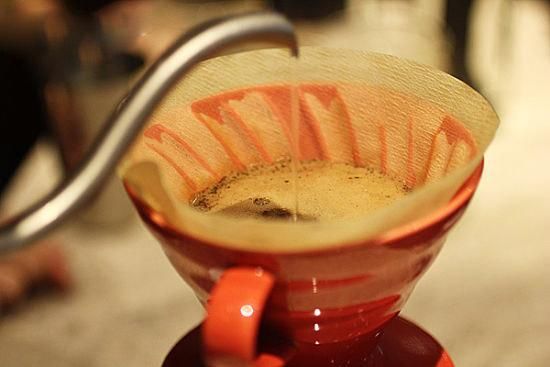
In pour-over brewing, the bloom is the first pour of hot water onto freshly ground coffee. This step releases CO₂ trapped in the grounds, allowing better water flow and more even extraction. If the bloom is rushed or incomplete, extraction suffers—your coffee may taste watery, muted, and lack the body and aroma you expect.
This is especially important for medium to light roasts, which rely heavily on proper degassing and early-stage extraction to deliver complexity. Without a solid bloom, subsequent pours can't compensate.
How Bloom Affects Coffee Thickness and Aroma
Your coffee’s body and aroma are directly influenced by how well the coffee 'opens up' during the bloom. A good bloom allows water to evenly saturate all grounds, leading to balanced extraction of acids, sugars, and oils. If the coffee puck doesn’t swell properly—especially during the first pour—the extraction becomes uneven. The result? A thinner cup with less fragrance and a flatter mouthfeel.
For medium-light roasts, this effect is magnified. These coffees depend on a well-developed bloom to unlock delicate floral, fruity, or acidic notes. Without it, those characteristics may not emerge at all.
Step-by-Step: How to Bloom Properly for Better Coffee
To improve both aroma and body in your pour-over, follow this structured approach:
- Use consistent water temperature (typically 90–96°C, though some prefer lower like 82°C—though this risks under-extraction).
- First pour (the bloom): Start with a slow, controlled stream. Avoid hitting the filter directly—use a gooseneck kettle with a fine tip or a three-hole dripper for better control.
- Water volume: Use roughly double the coffee weight in water (e.g., 15g coffee → 30ml water). Let it sit.
- Observe the ‘coffee hamburger’ (puck): The grounds should expand, forming a dome. The ideal bloom lifts the edges of the puck to near the top of the dripper. Do not proceed to the next pour until it begins to drain and settle slightly.
- Wait for the right moment: Once the initial water drains and the puck settles, proceed to the second pour. This wait ensures proper saturation and gas release.
If the coffee puck doesn’t rise or water leaks too quickly during the first pour, the extraction will be compromised from the start—no matter how you adjust later steps.
Common Mistakes That Hurt Your Bloom
- Pouring too hard or too fast: This causes water to channel through the coffee bed instead of soaking all grounds evenly.
- Not letting the bloom finish draining: Starting the next pour too soon interrupts full degassing and leads to patchy extraction.
- Using too little water for the bloom: Insufficient water fails to fully release CO₂, reducing extraction potential.
- Incorrect grind size or inconsistent particle distribution: Too fine or uneven grinds can clog the filter or lead to over-extraction in later stages.
Even if you fix these issues later, a poor initial bloom often dooms the cup. Many drinkers blame the roast or water temperature when the real issue started before the first pour even finished.
Frequently Asked Questions
How much water should I use for the bloom?
Use about twice the weight of your coffee in water—for example, 15 grams of coffee should get around 30 millilitres (or milliliters) of water. This helps release CO₂ and prepares the coffee bed for even extraction.
How long should I let the coffee bloom?
Typically 30 to 45 seconds is sufficient, but always wait until the coffee puck stops dripping and starts to settle before your next pour. The blooming phase is complete when the initial water has passed through and the coffee bed has slightly deflated.
Does water temperature affect the bloom?
Yes. While the focus of the bloom is releasing CO₂, higher temperatures (90–96°C) generally support better extraction overall. Some brewers use lower temperatures like 82°C, but this can reduce aroma and body if not paired with an excellent bloom.
Can I bloom too long?
Yes. If you let the coffee sit too long after the initial pour without progressing to the next step, you risk over-exposing the grounds or uneven saturation, which can flatten flavours and reduce body.
Why didn’t my coffee bloom at all?
If your coffee puck doesn’t swell or release gas, it may be stale, overly ground, or the pour was too forceful. Fresh, properly ground coffee and a gentle initial pour help ensure a good bloom.
Recommended FrontStreet Beans for Better Bloom and Body
For a pour-over with pronounced body and aroma, try FrontStreet Coffee’s Brazil Queen Manor beans. They offer low acidity, a smooth mouthfeel, and sweet notes of nuts and caramel, making them ideal for highlighting a well-executed bloom. For a brighter yet balanced cup, Jamaica Blue Mountain No.1 delivers harmony with notes of chocolate and nuts. Alternatively, PWN Golden Mandheling features a thick body, herbal depth, and a heavy sweetness from its wet-hulled processing—all traits that shine when the bloom is done right. Freshly roasted within 5 days · Orders placed before 17:00 ship the same day · Next-day delivery across most of Guangdong Province.
FrontStreet Coffee is a long-established specialty coffee roaster in Guangzhou China, selling freshly roasted beans from its own farm in Yunnan as well as dozens of carefully selected single-origin beans from around the world for both pour-over and espresso. The products deliver consistently excellent quality and great value, with shipping within 24 hours. Guangzhou's FrontStreet Coffee shop is recommended by many coffee lovers, and the beans are now available online at the Tmall 。
Important Notice :
前街咖啡 FrontStreet Coffee has moved to new addredd:
FrontStreet Coffee Address: 315,Donghua East Road,GuangZhou
Tel:020 38364473