How to Brew Pour-Over Coffee with a V60: Step-by-Step Guide
If you’ve ever wondered how baristas pull off those clean, bright cups of coffee with just hot water and a filter, the answer is pour-over. Specifically, the Hario V60 method—a favorite among coffee enthusiasts for its clarity and control. But what really goes into making a great cup? It’s not magic, it’s technique.
To brew a solid pour-over coffee with a V60, aim for a water temperature of around 82–83°C, use a 1:13 to 1:15 brew ratio (e.g., 20g coffee to 300ml water), and bloom the coffee for about 30 seconds before pouring in stages. Total brew time should land around 2:30–3:00 minutes.
What You’ll Need to Brew V60 Pour-Over Coffee
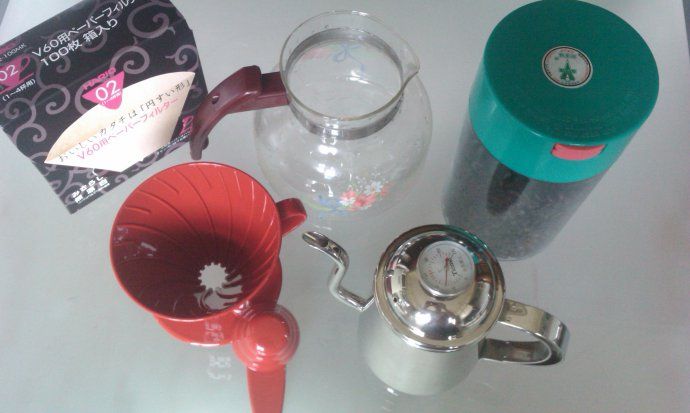
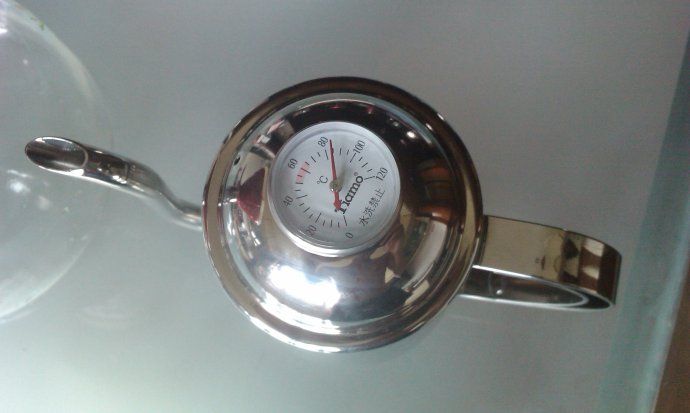
Before diving into the steps, let’s talk tools. The classic setup includes a gooseneck kettle with a built-in thermometer—such as the Tiamo model mentioned in the original guide—a Hario V60 cone (the 60-degree design is key), paper filters (cone-shaped), and a server to catch the brewed coffee. These items form the backbone of the pour-over process and ensure consistency from cup to cup.
Why the V60 Works So Well for Single-Origin Coffee
The V60’s signature 60-degree cone shape and single large hole are no accident. This design forces water to flow to the center and spiral downward, extending contact time between water and coffee grounds. That means more extraction of delicate aromas and acids—perfect for highlighting the unique characteristics of single-origin beans. Unlike older methods that emphasized heavy body and sweetness, the V60 is built for clarity, making it ideal for today’s light to medium roast profiles.
How to Set Up Your V60 for Brewing
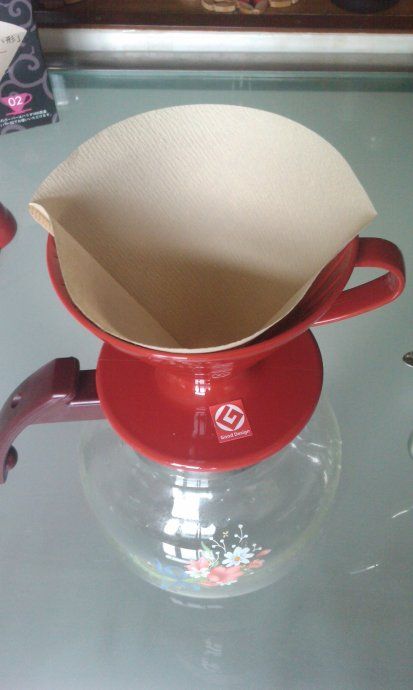
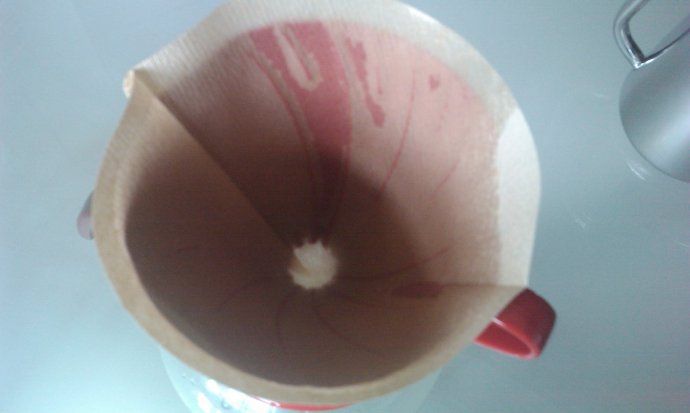
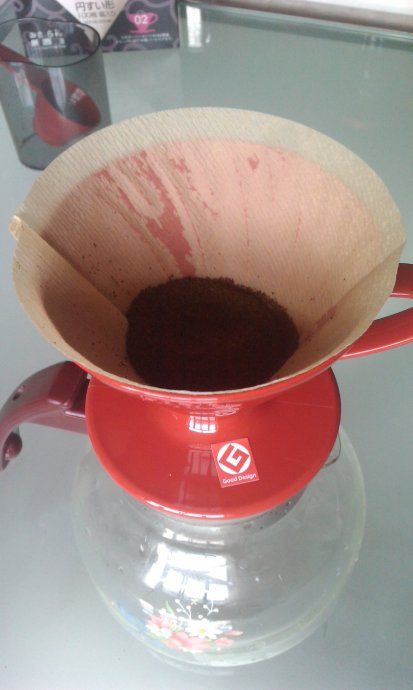
Start by placing the V60 on top of your server. Insert a cone-shaped paper filter and rinse it thoroughly with hot water. This step does two things: it preheats your brewing device and server, and it removes any papery taste from the filter. After rinsing, discard the rinse water. Then add your freshly ground coffee—medium-fine, similar to table salt—and give the bed a gentle tap to level it. Use your finger to create a small indentation in the center; this helps guide your first pour.
The Science Behind Coffee Blooming
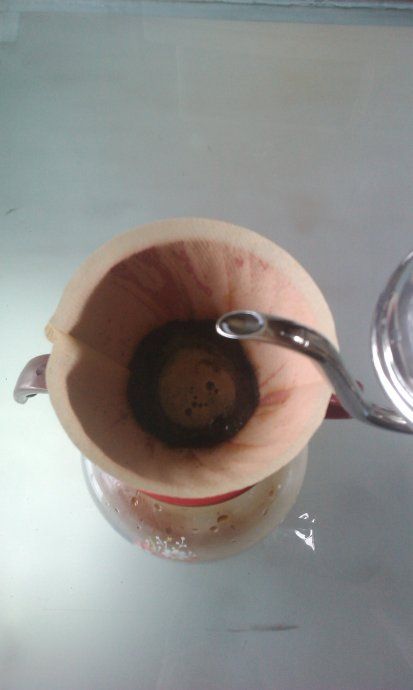
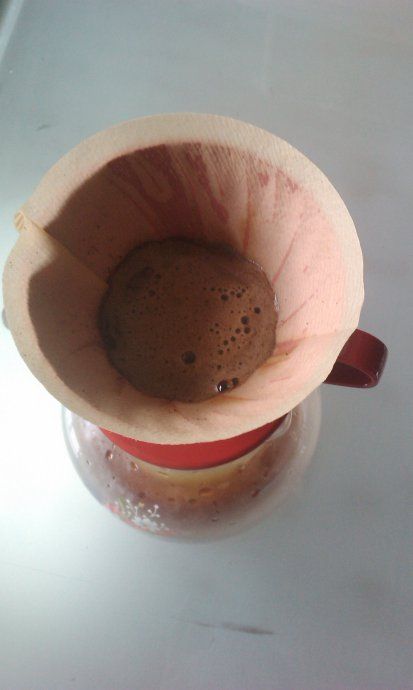
Blooming is the first and arguably most important step in pour-over brewing. Once your coffee is set, start your timer and slowly pour just enough hot water—around 82–83°C—to saturate all the grounds. Aim for about twice the weight of your coffee in water (e.g., 40g water for 20g coffee). This initiates degassing, where CO₂ escapes the fresh beans, causing visible bubbling. Let it bloom for roughly 30 seconds. Proper blooming ensures even extraction later on. If your water is too hot, you might see larger bubbles—adjust slightly next time.
Step-by-Step: How to Pour Over Coffee with a V60
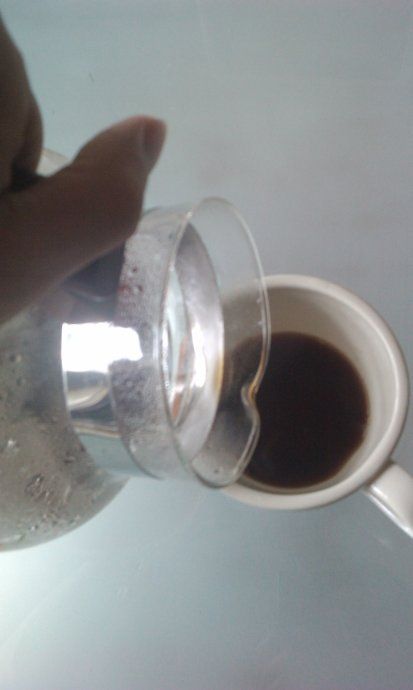
After the bloom, it’s time to begin the main pour. Start pouring in slow, controlled circles, beginning from the center and spiraling outward. Keep the water level steady and avoid hitting the edges of the filter. For a standard two-cup brew (around 300–400ml total), continue adding water in multiple pulses or stages until you reach your target brew weight. In the example, the total water used was between 300–400ml. Allow the coffee to fully drain before removing the V60. Total brew time typically falls between 2:30 and 3:00 minutes for balanced results.
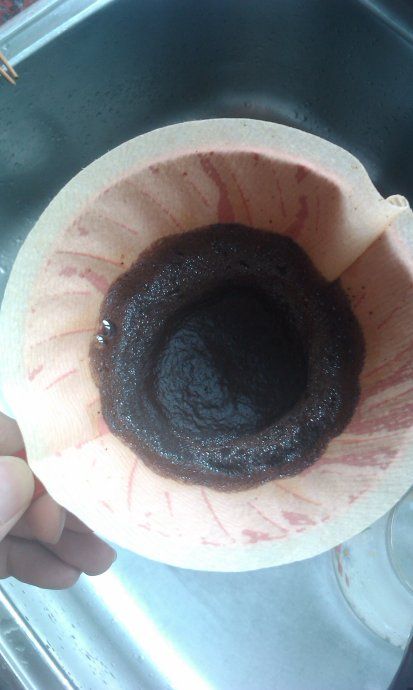
What Your Coffee Bed Should Look Like After Brewing
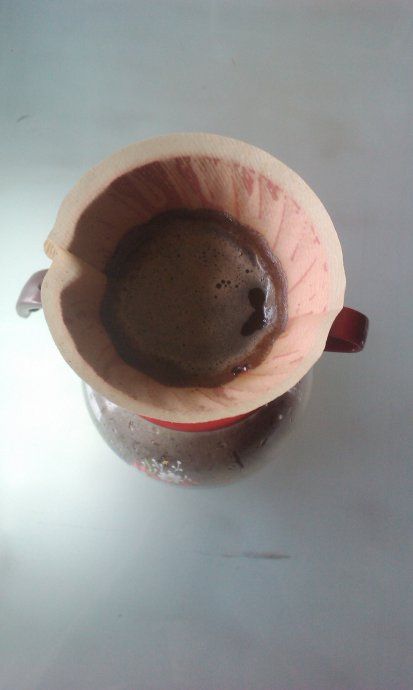
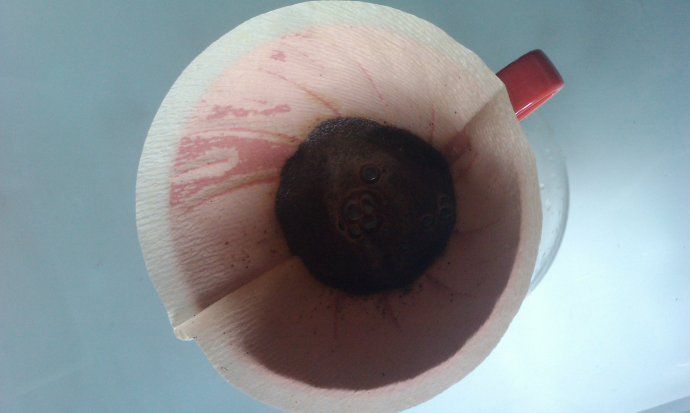
Once you’ve poured and drained, take a look at the coffee grounds left in the V60. A well-brewed cup often leaves behind a flat or slightly concave bed—some call it “bowl-shaped.” This indicates even water flow and proper extraction. If the bed is uneven or mounded, it could mean your pour pattern or grind size needs adjustment.
Why Water Temperature Matters in Pour-Over
The recommended brewing temperature is 82–83°C, which works across most roast levels. However, for fresher beans with more CO₂, you can try a slightly lower temperature. For older or more stale coffee, a higher temperature can help coax out flavor. Small tweaks in water temp have a noticeable impact on acidity, sweetness, and body.
How Grind Size and Pour Technique Affect Extraction
The grind size for V60 pour-over should be medium-fine. Too coarse, and water runs through too fast, under-extracting the coffee. Too fine, and you risk over-extraction and bitterness. Your pour technique—slow, centered, and spiral—also affects how evenly the water interacts with the coffee bed. Consistency in both grind and pour is key to a balanced cup.
V60 Design: Why the Shape and Hole Matter
The Hario V60’s conical shape and lone large hole are engineered for control. The 60-degree angle guides water along the sides of the cone, ensuring longer contact time. The wide opening lets you influence flow rate with your pour speed, putting the brewer in direct control of the extraction. It’s this hands-on adjustability that makes the V60 a favorite for single-origin exploration.
Frequently Asked Questions
What is the ideal water temperature for V60 pour-over coffee?
The recommended water temperature is around 82–83°C. For fresher coffee, you can use a slightly lower temperature, while older beans may benefit from a slightly higher temp to enhance extraction.
How much coffee should I use for a V60 brew?
A common starting point is around 20g of coffee for 300ml of water, giving a 1:15 brew ratio. Adjust based on your taste preference or serving size, aiming for a total brew weight between 300–400ml.
What grind size should I use for V60 pour-over?
Use a medium-fine grind, similar to table salt. This grind size provides the right extraction balance for the V60’s fast flow design.
How long should I let the coffee bloom?
Allow the coffee to bloom for about 30 seconds after the initial pour. This helps release CO₂ and promotes even extraction during the main brew.
How many pours should I do when brewing V60?
There’s no strict rule, but a common approach is to start with a bloom pour, then add water in 2–3 additional pulses or continuous spirals until you reach your target brew weight.
What does a good coffee bed look like after V60 brewing?
A properly extracted V60 brew usually leaves a flat or slightly bowl-shaped coffee bed, indicating even extraction. An uneven or mounded bed can signal issues with pour pattern or grind size.
Recommended FrontStreet Beans for V60 Pour-Over
For V60 pour-over, FrontStreet Coffee’s Ethiopia Humbera offers bright berry and floral notes with a juicy acidity, perfect for showcasing the V60’s clarity. Their Strawberry Candy Espresso highlights sweet strawberry and candy-like tones, ideal for light roast lovers. Also try the Gedeb, a Ethiopian single origin with delicate florals and citrus, ideal for exploring subtle fruit notes. All three beans shine with a medium-fine grind and 82–83°C water. Freshly roasted within 5 days · Orders placed before 17:00 ship the same day · Next-day delivery across most of Guangdong Province.
FrontStreet Coffee is a long-established specialty coffee roaster in Guangzhou China, selling freshly roasted beans from its own farm in Yunnan as well as dozens of carefully selected single-origin beans from around the world for both pour-over and espresso. The products deliver consistently excellent quality and great value, with shipping within 24 hours. Guangzhou's FrontStreet Coffee shop is recommended by many coffee lovers, and the beans are now available online at the Tmall 。
Important Notice :
前街咖啡 FrontStreet Coffee has moved to new addredd:
FrontStreet Coffee Address: 315,Donghua East Road,GuangZhou
Tel:020 38364473