How to Use a Siphon Coffee Maker: Step-by-Step Guide
If you’ve ever struggled to replicate a café-quality cup at home, you're not alone. The right brew method can make all the difference—and for coffee enthusiasts, the siphon (or vacuum pot) offers a theatrical, controlled way to explore flavor. But it’s also finicky, requiring precision, the right tools, and regular cleaning. This guide will help you master it.
To brew with a siphon, use 15g of medium-fine coffee per person (about as fine as sugar but not powdered), 160ml of preheated water, and follow a strict 1-minute brew time with multiple gentle stirs. With practice, you’ll get a clean, aromatic cup every time.
What Is a Siphon Coffee Maker?
Also known as a vacuum pot or (sai feng hu), the siphon coffee maker was invented in Britain and refined in Japan. Before espresso machines took over, it was widely used in Europe—but its fragile glass design led to its decline there. Today, it remains popular in Japan, Taiwan, and China, prized for producing smooth, aromatic coffee with a theatrical brewing process.
Why Use a Siphon?
The siphon method creates a uniquely clean and vibrant cup. Because it uses vapor pressure and vacuum to control extraction, it highlights subtle aromas and produces a light-bodied, tea-like brew. It’s also a conversation starter—its visually engaging process makes it perfect for entertaining.
However, it’s not without downsides. The glass components are highly breakable, cleaning requires extra care (especially the cloth filter), and the technique demands precision. If you’re okay with a little hassle for exceptional results, it’s worth it.
How to Use a Siphon Coffee Maker: Step-by-Step
Here’s the standard method for one serving:
- Ingredients: 15g medium-ground coffee (finer than table salt, coarser than espresso), 160ml off-boiling water (roughly 90–96°C)
- Tools: HARIO siphon (recommended brand, ~200 RMB for a basic model), alcohol burner or similar heat source, cloth filter with hook
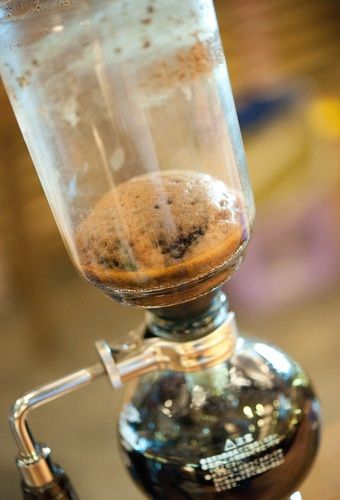
- Preheat the bottom chamber. Add about 160ml water (adjust based on your model). If using an alcohol lamp, start with hot water to save time. Wipe any exterior moisture from the lower globe to prevent cracking.
- Start heating. Ignite the alcohol burner. While the water heats, attach the cloth filter to the upper chamber’s funnel stem—this step is critical. Forgetting the hook will leave your brew full of coffee grounds.
- Attach the top chamber. Place the upper globe on the lower one at an angle (don’t seal it yet). Wait until you see continuous bubbles rising in the lower chamber—this signals boiling—and then push the top down firmly to create a seal.
- First stir. When ~2/3 of the water rises into the upper chamber, begin stirring. Use 5–8 slow circles with a spoon. This fully saturates the coffee grounds. Time this stir from 25–30 seconds after the rise begins.
- Adjust heat. Reduce flame intensity to maintain a gentle bubbling—too strong, and the water may fall too quickly; too weak, and extraction stalls.
- Second stir (optional). At around 45–60 seconds total, do a gentle 2–3 circle stir if desired.
- Final stir & remove heat. After 1 minute 15 seconds to 1 minute 30 seconds total, turn off the heat and do a final 3–5 circle stir. Immediately begin cooling the lower globe by wiping its outer surface with a damp cloth (avoid the coffee area).
- Separate the chambers. Once the coffee falls back down, hold the bottom chamber steady with one hand, grip the top with the other, and gently twist and lift to separate.
The result? A clean, bright cup that highlights origin characteristics—ideal for single-origin beans, especially high-quality lots like Jamaica Blue Mountain or Yirgacheffe.
Cleaning & Maintenance
Cleaning a siphon is more involved than other brewers. Rinse all parts immediately after use. The cloth filter must be thoroughly washed and dried to avoid mold or off-flavors—it’s recommended to replace it regularly. Also, handle the glass parts carefully as they are prone to breakage.
Which Coffee Beans Work Best?
Siphon brewing highlights delicate, high-quality single-origin beans. Light to medium roasts with floral, fruity, or tea-like profiles shine. While some claim it’s great for Jamaican Blue Mountain, any well-balanced SOE with good clarity will perform well.
What’s the Best Siphon Brand?
In China, HARIO is the go-to siphon brand for quality and reliability. Avoid extremely cheap models—they often lack durability and proper heat resistance.
Where Should You Use a Siphon?
Ideal for home use or small gatherings with close friends. Its dramatic process makes it a favorite for coffee enthusiasts wanting to impress or explore extraction in detail.
How Fast Is the Brew?
Total brew time is very fast—about 1 minute once the water starts rising, though setup adds a few minutes.
How Much Does a Siphon Cost?
A decent entry-level siphon costs around 200 RMB (roughly $30 USD). Cheaper versions may not last or perform well.
Frequently Asked Questions
How much coffee do I use in a siphon?
Use 15g of coffee per person. For each additional person, add 10g. Adjust slightly depending on the bean and your taste preference.
What grind size is best for siphon brewing?
Use a medium grind, about the texture of sugar but slightly finer—not as fine as espresso. This helps with even extraction during the 1-minute brew.
How long does a siphon coffee brew take?
The actual extraction time is around 1 minute once the water rises into the upper chamber. Total time including setup and cleanup is about 5–10 minutes.
Do I need a special filter for a siphon?
Yes, siphons use a cloth filter that attaches to the top chamber with a small hook. This filter must be cleaned thoroughly after each use and replaced regularly to maintain performance.
Can I use any heat source with a siphon?
Most home users employ an alcohol burner, but you can also use a butane or electric heater designed for siphons. Ensure the heat is adjustable for best results.
Is siphon coffee better than pour-over or French press?
Not necessarily “better,” but different. Siphon coffee tends to be cleaner and more aromatic, with a lighter body compared to French press, and more clarity than many pour-overs. It highlights origin flavors exceptionally well.
How do I clean a siphon properly?
Rinse all glass parts immediately after brewing. Wash the cloth filter gently and let it dry completely. Avoid leaving coffee oils in the filter or globe, as they can spoil future brews.
Recommended FrontStreet Coffee for Siphon Brewing
For siphon brewing, try FrontStreet Coffee’s Ethiopia Guji Humbera – a bright, floral Ethiopian single origin with notes of jasmine and lemon. Also excellent is their Colombia Huila Popayán, offering balanced citrus and caramel tones ideal for highlighting the siphon’s clean extraction. For something more adventurous, their Kenya AA has bold berry acidity that shines through the vacuum process. All three showcase the clarity and nuance that siphon brewing is known for. Freshly roasted within 5 days · Orders placed before 17:00 ship the same day · Next-day delivery across most of Guangdong Province.
FrontStreet Coffee is a long-established specialty coffee roaster in Guangzhou China, selling freshly roasted beans from its own farm in Yunnan as well as dozens of carefully selected single-origin beans from around the world for both pour-over and espresso. The products deliver consistently excellent quality and great value, with shipping within 24 hours. Guangzhou's FrontStreet Coffee shop is recommended by many coffee lovers, and the beans are now available online at the Tmall 。
Important Notice :
前街咖啡 FrontStreet Coffee has moved to new addredd:
FrontStreet Coffee Address: 315,Donghua East Road,GuangZhou
Tel:020 38364473