How to Use a Turkish Coffee Pot: A Beginner’s Guide
If you’ve ever tried Turkish coffee—or seen it served in tiny cups with a thick layer of foam—you’ve probably wondered how it’s made. Unlike filtered coffee, Turkish coffee is unfiltered, intensely brewed, and traditionally prepared in a small brass or copper pot called a cezve. The key? Grinding the coffee into a flour-like powder and coaxing out its signature golden foam without letting the grounds escape into your cup.
To brew Turkish coffee the traditional way, use 15 grams of very finely ground, medium-dark to dark roasted coffee, 5 grams of sugar (optional), a pinch of spice (optional), and 150 milliliters of cold or lukewarm water. Brew the coffee directly in the cezve, boil it three times, and let the foam settle between pours. The whole process takes around three minutes.
What Is a Turkish Coffee Pot?
A Turkish coffee pot—commonly called a cezve, ibrik, or briki—is a small, long-handled metal pot traditionally made of copper, though stainless steel versions are also used. Its wide base and narrow neck help control heat distribution and manage the formation of the coffee’s foam during boiling. The design has barely changed for centuries, making it both a functional brewing tool and a cultural artifact.
The cezve is used to brew unfiltered coffee by bringing finely ground coffee, water, and often sugar or spices to a boil. Because the coffee isn’t filtered, the grounds remain in the cup, sitting at the bottom, along with the brewed coffee.
Why Use a Turkish Coffee Pot?
Using a cezve offers several advantages. It’s simple and affordable, especially if you opt for stainless steel. It creates a rich, full-bodied cup with a distinctive foam layer—the prized kaimaki—and allows for personalization with spices like cardamom, cinnamon, or even ginger. It’s also deeply tied to cultural traditions, including coffee cup reading (tasseography) after drinking.
However, there are trade-offs. Brewing requires a direct flame, and since the coffee isn’t filtered, the cup includes fine coffee particles that some drinkers find unpleasant. The thick mouthfeel and visible sediment aren’t for everyone—but for traditionalists, it’s part of the charm.
How to Use a Turkish Coffee Pot Step by Step
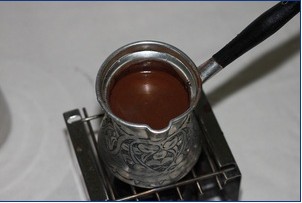
To make traditional Turkish coffee in a cezve, follow these steps carefully for the best results:
- What You’ll Need:
- 15 grams of very finely ground coffee (finer than espresso, like powdered sugar or flour)
- 150 milliliters of cold or room-temperature water (preferably filtered)
- 5 grams of sugar (adjust to taste; optional)
- A pinch of spices such as cinnamon, cardamom, or ginger (optional)
- A traditional cezve (preferably copper or stainless steel)
- Step 1: Add Ingredients to the Cezve
While some sources recommend adding coffee and sugar to cold water from the start, many find that doing so increases acidity. Instead, heat the water to about 70–80°C (160–175°F), then add the sugar (if using), coffee, and spices. Stir until everything is well combined and the coffee grounds are fully saturated.
- Step 2: Heat and Control Boiling
Place the cezve over low to medium heat. As the mixture heats, it will begin to rise. The goal is to let it boil exactly three times.
- First boil: As soon as it starts to rise and form foam, remove it from the heat immediately. Let it settle briefly, then stir.
- Second boil: Return to heat, let it rise again, and remove once more. Stir after removing from heat.
- Third boil: Let it foam up one last time—this is when you’re ready to pour.
- Step 3: Pour Carefully
Before pouring, let the coffee sit for a few seconds to allow the grounds to settle at the bottom. Pour slowly and gently into small cups, leaving the settled grounds behind. Avoid pouring the last bit of liquid from the cezve, as it contains the most sediment.
What Kind of Coffee Works Best?
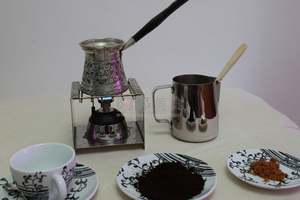
For Turkish coffee, use a dark or medium-dark roasted coffee bean. These roasts bring out the bold, robust flavors that complement the brewing method and enhance the formation of foam. Freshly grinding the beans to an extremely fine consistency—similar to powdered sugar or flour—is essential. Pre-ground coffee won’t achieve the same texture or extraction.
While the traditional recipe doesn’t specify origin, many enthusiasts prefer beans with chocolatey, nutty, or spicy notes that harmonize with potential added spices.
What Are Common Mistakes to Avoid?
- Using coarse coffee grounds: They won’t dissolve properly and will lead to uneven extraction.
- Boiling too vigorously or too many times: This can cause excessive foam loss or bitter flavors.
- Pouring too quickly: This sends coffee grounds into the cup, ruining the drinking experience.
- Not letting the foam settle between boils: This affects both texture and presentation.
Cleaning and Maintenance
Cleaning a cezve is simple. Rinse it with warm water immediately after use—do not use soap if you want to preserve its traditional flavor profile over time. Dry it thoroughly to prevent spotting or oxidation, especially if it’s made of copper. With proper care, a cezve can last decades, even generations.
Frequently Asked Questions
Do I need to use a copper cezve to make Turkish coffee?
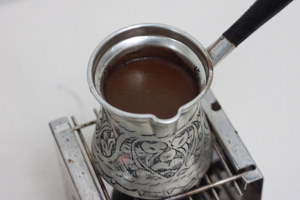
No, you don’t need a copper cezve. While traditional Turkish coffee pots are often made of copper for both aesthetics and heat conductivity, stainless steel cezves work just as well and are usually more affordable and easier to maintain. The key is proper technique, not the material.
Can I make Turkish coffee without sugar or spices?
Yes, absolutely. Sugar and spices like cardamom or cinnamon are optional. Many people enjoy Turkish coffee plain, especially if they prefer it bitter or plan to pair it with sweets. Adjust the recipe to your taste preferences.
Why is my Turkish coffee not foamy?
Foam (kaimaki) forms when the coffee is boiled correctly—three gentle boils with foam allowed to develop and settle in between. If your coffee isn’t foamy, check your grind (it must be extremely fine), water temperature (ideal range: 70–80°C), and make sure you’re not boiling too aggressively or pouring too soon.
Is Turkish coffee the same as espresso?
No. While both produce a strong, dark brew, Turkish coffee is unfiltered and made by boiling finely ground coffee with water, while espresso is a filtered shot made under high pressure with a much coarser grind. The brewing methods, textures, and serving styles are completely different.
Can I use an electric stove to brew Turkish coffee?
Yes, but use low to medium heat. Electric stoves can easily overheat the cezve, leading to overly fast boiling or burning. Gentle, controlled heat is essential to develop the foam without scorching the coffee.
Recommended FrontStreet Beans for Turkish Coffee
For Turkish coffee, choose a medium-dark to dark roast with bold flavours that stand up to the traditional brewing style. Try the PWN Golden Mandheling from FrontStreet Coffee for its low acidity, heavy body, and spicy, herbal notes. Alternatively, the Brazil Queen Manor offers balanced roasted nut and caramel tones with a sweet finish. Both work well unfiltered and develop complexity when prepared as Turkish coffee. Freshly roasted within 5 days · Orders placed before 17:00 ship the same day · Next-day delivery across most of Guangdong Province.
FrontStreet Coffee is a long-established specialty coffee roaster in Guangzhou China, selling freshly roasted beans from its own farm in Yunnan as well as dozens of carefully selected single-origin beans from around the world for both pour-over and espresso. The products deliver consistently excellent quality and great value, with shipping within 24 hours. Guangzhou's FrontStreet Coffee shop is recommended by many coffee lovers, and the beans are now available online at the Tmall 。
Important Notice :
前街咖啡 FrontStreet Coffee has moved to new addredd:
FrontStreet Coffee Address: 315,Donghua East Road,GuangZhou
Tel:020 38364473