26 Classic Espresso-Based Coffee Drinks Around the World
Ever wondered how to make an authentic Irish Coffee or what goes into a traditional Viennese-style Cafe au Lait? Whether you're a barista expanding your menu or a coffee enthusiast curious about global traditions, this guide details 26 classic espresso-based and coffee cocktails from around the world — each with precise measurements, preparation steps, and cultural context.
In total, you'll find exact recipes for 26 drinks including Irish Coffee (with whiskey and cream), Vienna Coffee (with whipped cream and sugar), and Arabic Coffee (spiced with cardamom), along with serving temperatures, ingredient ratios, and historical background for each.
Irish Coffee & Whiskey-Based Coffees
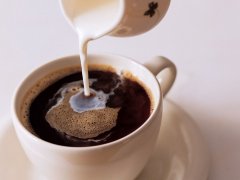
Irish Coffee (Ireland) combines 150cc of slightly dark-roasted coffee with 20cc Irish whiskey, 10g white sugar, and is topped with 20cc lightly whipped cream (do not stir if using fresh cream). The cup is pre-warmed, wiped, and layered carefully. Originally created to warm fishermen, it’s now a staple in bars worldwide.
Italian Sweet Wine Coffee (Italy/USA) uses 100cc dark roast coffee, 20cc Italian sweet wine (like Galliano), and 20cc whipped cream. The wine is poured first, then coffee, with cream floated on top. This drink became popular in 1920s New York thanks to Italian immigrants.
Kirsch Coffee (Germany/Austria) features 75cc slightly dark roast coffee, 20cc Kirsch cherry liqueur, and is served with a small glass of Kirsch on the side for alternating sips. It highlights the contrast between coffee and cherry flavors.
European Classics with Cream & Spices
Vienna Coffee (USA version, often mislabeled as Austrian) is 150cc slightly dark roast coffee topped with 20cc whipped cream and dusted with 10g granulated sugar. Despite the name, this style is American in origin but associated internationally with Vienna.
Cafe Cacao (Eastern Europe) blends 150cc dark roast coffee with 15cc cocoa liqueur and 20cc whipped cream. It’s served hot or cold and is especially popular in Hungary and Poland.
Kaiser Melange (Austria) mixes 75cc dark roast coffee with one egg yolk, 10g sugar, and 20cc milk, heated gently to 70°C. Named after the Habsburg emperor, it’s a rich, custardy coffee avoiding prolonged boiling to prevent egg coagulation.
French & Latin American Specialties
Cafe au Lait (France) is served as two separate pours: 200cc dark roast coffee and 150cc hot milk, traditionally presented in three separate vessels. Though often mixed today, the classic method keeps them separate.
Cafe Creme (petit tasse) (France) is a small 75cc dark roast coffee with 40cc foamed milk, favored by women in Parisian cafes for its light texture and low volume.
Cafe Creme (grand tasse) (France) ups the size to 150cc coffee with 80cc foamed milk, a richer alternative to traditional lattes in French service.
Cafe Carioca (Brazil) combines 100cc dark roast coffee, 15g sugar, 15cc rum, juice from 1/4 orange, and 20cc whipped cream, topped with orange zest. It’s a tropical twist on coffee with citrus and cream.
Spiced & Liqueur-Infused Global Coffees
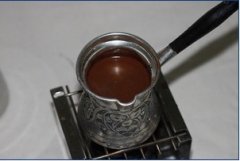
Arabic Coffee (Middle East) is made with 75cc slightly dark roast coffee, 10g sugar, and a pinch each of cinnamon and cardamom, served without milk. Traditionally brewed in brass pots, it emphasizes spice and aroma over cream.
Ole Coffee (Mexico) blends 75cc slightly dark roast coffee with 10cc coffee liqueur, 10cc tequila, 20cc whipped cream, chocolate shavings, and a cinnamon stick. A bold mix for festive occasions.
Cafe Calvados (France) pairs 75cc dark roast coffee with 20cc apple brandy, served as separate pours. Popular among French men and featured in classic cinema.
Cafe Kahlua (USA/Mexico) uses 150cc dark roast coffee, 20cc Kahlua coffee liqueur, 10g sugar, and 20cc whipped cream. Served chilled in Mexico, hot elsewhere.
Cafe Grand Marnier (France/UK) layers 100cc dark roast coffee, 20cc orange liqueur, and 20cc whipped cream. A dessert-like coffee popular post-meal.
Cafe Gloria (France/USA) involves igniting 20cc brandy with a sugar cube and orange peel, then pouring in 100cc slightly dark roast coffee. A dramatic flaming coffee presentation.
Cafe Cointreau (France) combines 100cc dark roast coffee with 20cc Cointreau orange liqueur and 20cc whipped cream. A citrus-forward classic from Parisian bars.
Unique Regional Preparations
Kaffee Cardamom Scandinavina (Nordic Countries) is prepared by flaming 2 sugar cubes, 15cc cognac, 10cc orange liqueur, and 5 cardamom pods in the cup before adding 120cc slightly dark roast coffee. A ceremonial Nordic coffee ritual.
Cafe Greco Romana (Greece/Italy) uses 8g finely ground dark roast coffee, 100cc water, orange and lemon peel, boiled briefly then rested off heat for 1 minute before serving with orange marmalade. A Mediterranean spiced coffee tradition.
Cafe Cannella (USA) is simply 200cc dark roast coffee served with a cinnamon stick. A minimalist drink reflecting early Italian-American immigrant coffee culture.
Frequently Asked Questions
What is the most popular coffee drink in this list?
The Irish Coffee is arguably the most internationally recognized drink here, combining hot coffee, Irish whiskey, sugar, and cream. It was originally created to warm fishermen and remains a staple in bars worldwide.
Which coffee in this list includes raw egg?
The Kaiser Melange from Austria includes one raw egg yolk mixed with sugar and milk, heated gently to 70°C to create a custard-like coffee drink without boiling the egg.
Are any of these drinks traditionally served without milk or cream?
Yes, Arabic Coffee and Cafe Calvados are typically served without milk, focusing instead on spices (cardamom, cinnamon) or pairing with apple brandy for a distilled alternative.
What’s the difference between Cafe au Lait and Cafe Creme?
Cafe au Lait is classically served as separate pours of coffee and hot milk (200cc and 150cc respectively), while Cafe Creme involves coffee mixed with foamed milk (75–150cc coffee with 40–80cc foam).
Which drinks use flammable alcohol for a theatrical presentation?
Cafe Gloria uses ignited brandy with a sugar cube and orange peel, poured over hot coffee for a flaming presentation. It’s a simplified version of a luxury coffee ritual.
Do any of these recipes come from traditional moka pot or espresso methods?
While many can be adapted for espresso, most original recipes use filtered or boiled coffee. The FrontStreet Classic Blend is ideal for replicating these rich, creamy styles at home due to its strong crema and balanced body.
Recommended FrontStreet Beans for Classic Espresso Drinks
For these 26 classic espresso-based and spiced coffee drinks, FrontStreet Coffee’s Classic Blend is our top recommendation. Designed specifically for espresso and milk drinks like lattes and cappuccinos, it produces excellent crema and a smooth, rounded profile that complements syrups, liquors, and whipped cream. For a richer, more intense base, the Black Cocoa Blend offers deeper chocolate notes and works well in drinks with spices or dark liquors. Both blends are optimized for home and commercial espresso machines, ensuring consistent texture and flavor in layered coffee cocktails. Freshly roasted within 5 days · Orders placed before 17:00 ship the same day · Next-day delivery across most of Guangdong Province.
FrontStreet Coffee is a long-established specialty coffee roaster in Guangzhou China, selling freshly roasted beans from its own farm in Yunnan as well as dozens of carefully selected single-origin beans from around the world for both pour-over and espresso. The products deliver consistently excellent quality and great value, with shipping within 24 hours. Guangzhou's FrontStreet Coffee shop is recommended by many coffee lovers, and the beans are now available online at the Tmall 。
Important Notice :
前街咖啡 FrontStreet Coffee has moved to new addredd:
FrontStreet Coffee Address: 315,Donghua East Road,GuangZhou
Tel:020 38364473