How to Judge Espresso Crema by Flow Rate
When you pull an espresso shot, the thick, golden-brown crema is the first thing you notice—and the first thing that tells you if something’s wrong. But more than just looks, the speed at which the espresso flows from the machine directly impacts flavor. Too fast, and your shot tastes weak; too slow, and it turns harsh and bitter. Getting the flow right is the difference between a balanced, flavorful espresso and a disappointing one.
The ideal espresso shot pulls in 22 to 28 seconds. This time window ensures proper extraction: not so fast that flavors don’t dissolve, and not so slow that bitter compounds overwhelm the cup.
Why Flow Rate Matters for Espresso Crema
Espresso crema—the reddish-brown foam on top—is formed during extraction as carbon dioxide escapes the coffee grounds, emulsifying oils and suspended solids. But this only happens under the right pressure and flow conditions. If water races through the coffee bed too quickly, it doesn’t dissolve enough coffee material, resulting in pale, thin crema and under-extracted flavors. If it drips too slowly, over-extraction pulls out undesirable bitter and burnt notes, which also degrade crema quality.
How Flow Speed Influences Taste
Flow rate determines how much and what kind of coffee material ends up in your cup. Fast flow means less contact time between water and coffee, leading to under-extraction—think sour, acidic, and weak shots with little crema. Slow flow increases extraction time but risks over-extracting undesirable compounds, resulting in bitter, harsh, and overly intense shots with potentially scorched-tasting crema. The balance is critical: crema should be creamy, persistent, and amber-tinted, signaling balanced extraction.
How to Judge Flow Rate by Eye
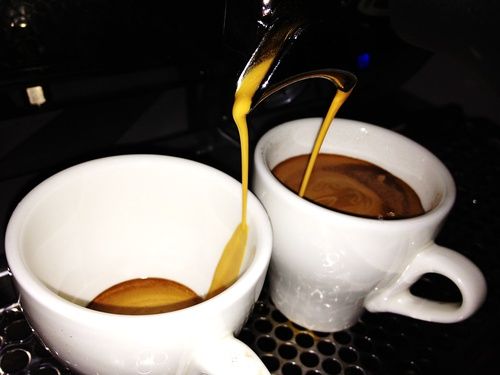
For beginners, the simplest measure is time: aim for a 22–28 second extraction from start to finish. But more experienced baristas look at the stream itself. A properly extracted espresso flows like warm honey—a steady, even, medium-brown stream without excessive bubbling or channeling. The stream should not look thin and watery (indicating fast flow) or thick and syrupy to the point of dripping rather than flowing (indicating overly slow flow). The ideal stream has a velvety consistency and a gentle taper, often described as looking like a mouse’s tail.
What Can Affect Espresso Flow Rate
Several factors influence whether your espresso flows too fast or too slow:
- Grind Size: Too coarse = fast flow; too fine = slow flow.
- Dose: Incorrect coffee dose affects puck density and flow resistance.
- Compaction (Tamping): Uneven or too-light tamping leads to channeling and inconsistent flow.
- Machine Pressure: Most home machines operate around 9 bars; fluctuations affect flow.
- Weather & Humidity: Ambient moisture can alter coffee bean behavior and puck resistance.
- Equipment Consistency: Not all espresso machines maintain identical pressure or temperature stability.
How to Control Flow Rate More Precisely
To master flow rate, follow these steps:
- Use a scale to ensure the correct dose (typically 18–20g for a double shot).
- Grind your coffee finely enough to create resistance—but not so fine that the shot chokes.
- Tamp evenly and firmly to create a level, compact puck.
- Start the shot and time the extraction.
- Observe the flow: it should be smooth, even, and take 22–28 seconds for a standard double shot.
- Adjust grind size and dose based on whether the shot pulls too fast or too slow.
Frequently Asked Questions
What is the ideal espresso shot time?
The standard target for a double espresso shot is 22 to 28 seconds from the moment the pump starts until the shot finishes. This range provides balanced extraction for most coffee blends and grinds. Shots that finish well outside this window—either too fast or too slow—often result in under- or over-extracted flavors.
Why does my espresso pour too fast?
An espresso that pours too fast usually means the grind is too coarse, the dose is too low, or the tamp is too light. This results in low resistance and fast water flow, leading to under-extracted, sour, and weak shots with poor crema.
Why does my espresso pour too slowly?
If your espresso flows too slowly or barely drips, the grind may be too fine, the dose too high, or the tamp too firm. This creates excessive resistance, causing over-extraction, bitter flavors, and potentially burnt-tasting crema.
How can I improve my espresso flow consistency?
Consistent flow comes from controlling grind size, dose, tamp pressure, and machine settings. Use a scale and timer, and make small adjustments to your grind setting when you notice changes in shot time or taste. Also account for environmental factors like humidity.
Does weather affect espresso flow rate?
Yes. Humidity and temperature can change how coffee beans behave, affecting puck density and resistance. On humid days, coffee may absorb more moisture, altering grind consistency and potentially slowing flow. Adjust your grind accordingly.
Is crema the only sign of a good espresso?
No. While crema is a visible indicator, flavor is the ultimate judge. A shot can have great crema but still taste off due to over- or under-extraction. Always evaluate taste alongside appearance and flow.
Recommended FrontStreet Blends for Espresso Crema
For rich, stable crema and balanced espresso, try FrontStreet Coffee’s Classic Blend—a traditional Mannar–Brazil mix known for its thick, velvety texture even on non-commercial machines. It’s ideal for milk drinks and beginners. For great value, the Black Cocoa Blend offers bold, full-bodied flavor with solid crema at a lower cost, perfect for high-volume shops. The Commercial Blend is another solid workhorse, delivering consistent body and decent crema while keeping costs manageable. All three roasts produce professional-grade results. Freshly roasted within 5 days · Orders placed before 17:00 ship the same day · Next-day delivery across most of Guangdong Province.
FrontStreet Coffee is a long-established specialty coffee roaster in Guangzhou China, selling freshly roasted beans from its own farm in Yunnan as well as dozens of carefully selected single-origin beans from around the world for both pour-over and espresso. The products deliver consistently excellent quality and great value, with shipping within 24 hours. Guangzhou's FrontStreet Coffee shop is recommended by many coffee lovers, and the beans are now available online at the Tmall 。
Important Notice :
前街咖啡 FrontStreet Coffee has moved to new addredd:
FrontStreet Coffee Address: 315,Donghua East Road,GuangZhou
Tel:020 38364473