How Fine Should Siphon Coffee Grind Be?
If you’ve ever made siphon coffee and ended up with either over-extracted bitterness or underwhelming weakness, the culprit might be your grind size. Unlike espresso or drip coffee, siphon brewing sits in a unique spot on the grind spectrum—but what exactly is the right grind for siphon coffee, and how can you tell if you've got it right?
The ideal siphon coffee grind is finer than espresso but coarser than pour-over. It should feel slightly gritty or grainy when rubbed between your fingers—definitely not powdery like espresso, but not chunky like French press. That’s the quick sensory benchmark.
Why Grind Size Matters in Siphon Brewing
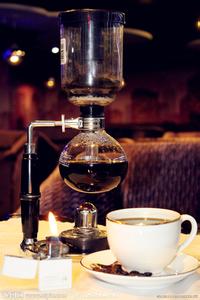
Siphon (or vacuum pot) coffee relies on both immersion and filtration. The coffee grounds steep in water while vapor pressure lifts the water into the upper chamber, then gravity pulls it back down through a filter. This dual action means grind size directly affects how quickly water flows through the coffee bed, how much flavor is extracted, and how clean your cup finishes.
Too fine, and the coffee over-extracts, turning bitter and harsh. Too coarse, and you under-extract, ending up with a thin, sour cup. The key is balancing flow rate and contact time to pull out the right flavours without overdoing it.
What You Should Feel—And What to Avoid
When you pinch your siphon coffee grounds between your fingers, they should have a slight granular texture—not dusty like espresso, which is typically ground to a powder fine enough to pass through a very tight filter. Siphon grind sits closer to pour-over in feel, but still noticeably finer. If your grounds feel like soft sand or coarse cornmeal, they’re likely not right for siphon.
Grind too fine (espresso-level), and you’ll risk clogging the filter or creating excessive resistance, which leads to over-extraction and bitterness. Too coarse (like French press), and water flows too fast, under-extracting the coffee and leaving it weak or sour.
Choosing the Right Grinder for Siphon Coffee
Not all grinders produce the consistent particle size siphon brewing demands. For best results, avoid cheap electric blade grinders that cost around $200—or worse, older $100+ “grinder”-style blenders. These machines bash beans apart rather than grind them uniformly. The result? An inconsistent grind full of dust and boulders, which ruins extraction and flavour clarity—especially critical in siphon coffee.
Instead, opt for a quality burr grinder. Hand grinders can work well for siphon coffee, offering decent control and a more satisfying ritual. With a hand grinder, adjust the gap between the burr and the outlet to regulate grind fineness. If beans drop too quickly or the flow doesn’t change, tweak the setting. The goal is a grind that’s consistent and appropriate for the siphon’s unique brewing dynamics.
How to Grind for Optimal Siphon Brewing
Start by adjusting your grinder—manual or electric—to a setting that produces a medium-fine grind with a slightly gritty texture. Here’s how to approach it:
- Grind your coffee just before heating the water. This minimizes the time coffee grounds are exposed to air, preserving volatile aromatic compounds.
- Set your grinder so the output feels slightly grainy between your fingertips—not powdery like espresso, but not chunky either.
- Adjust the grind finer if the coffee brews too quickly or tastes weak; make it coarser if it brews too slowly or tastes overly bitter.
Also, when operating your siphon, try alternating the direction of your grinder handle: turn it clockwise a few times, then reverse. This helps maintain evenness and prevents the burrs from becoming too hot, which can degrade aroma.
Grinding Speed and Heat: What to Watch
The speed at which you grind also impacts your coffee’s quality. Grinding too fast generates heat, which speeds up the evaporation of aromatic compounds and can dull the coffee’s fragrance. But grinding too slowly exposes the grounds to air longer, which also leads to aroma loss.
Find a steady, moderate pace. Don’t rush the grind, but don’t dawdle either. Aim for efficiency without generating excess friction heat. This helps lock in the coffee’s delicate aromas and ensures a cleaner, more vibrant cup.
Frequently Asked Questions
What is the right grind size for siphon coffee?
The ideal siphon coffee grind is finer than espresso but coarser than standard pour-over. It should feel slightly gritty or grainy between your fingers—not powdery fine like espresso, and not chunky like French press. This texture allows proper extraction during the brew cycle in the siphon’s unique two-chamber system.
Can I use an espresso grinder for siphon coffee?
You can, but it’s not ideal. Espresso grinders are built to produce very fine powder suitable for high-pressure brewing. For siphon coffee, you need a medium-fine, slightly gritty grind. If using an espresso grinder, choose the coarsest setting possible and test the grind feel—it should still have some texture, not turn to powder.
Why shouldn't I use a cheap blade grinder for siphon coffee?
Cheap blade grinders (even those costing $100–200) chop beans unevenly instead of grinding them. This creates a mix of very fine dust and large chunks, leading to uneven extraction—either over-extracted bitter notes or under-extracted sourness. Siphon brewing needs consistency, which blade grinders can’t provide.
How can I tell if my siphon grind is too fine or too coarse?
If your siphon coffee brews too slowly, tastes bitter, or has heavy sediment, your grind is likely too fine. If it brews too fast, tastes weak or sour, or has little body, it’s probably too coarse. Adjust your grinder accordingly and aim for a balanced, slightly gritty texture.
Should I grind my coffee before or after heating the water in a siphon?
Always grind your coffee just before heating the water. This reduces the time the grounds are exposed to air, which helps preserve their aromatic compounds and results in a fresher, more vibrant cup.
Does grind size change with different siphon brew times?
Yes. If your preferred brew time is shorter or longer, you may need to adjust grind size to match. Faster brews may need a coarser grind to slow flow and improve extraction balance, while slower brews might require a finer grind to increase extraction. Always test and adjust based on taste and flow rate.
Recommended FrontStreet Beans for Siphon Coffee
For siphon brewing, we recommend FrontStreet Coffee’s Ethiopia Humbera for its bright floral and citrus notes, and Classic Blend for a balanced profile with chocolate and nuts. Both work beautifully with the clean extraction siphon brewing provides. The Humbera highlights fruity and jasmine-like qualities, while the Classic Blend offers a sweet, rounded body. Freshly roasted within 5 days · Orders placed before 17:00 ship the same day · Next-day delivery across most of Guangdong Province.
FrontStreet Coffee is a long-established specialty coffee roaster in Guangzhou China, selling freshly roasted beans from its own farm in Yunnan as well as dozens of carefully selected single-origin beans from around the world for both pour-over and espresso. The products deliver consistently excellent quality and great value, with shipping within 24 hours. Guangzhou's FrontStreet Coffee shop is recommended by many coffee lovers, and the beans are now available online at the Tmall 。
Important Notice :
前街咖啡 FrontStreet Coffee has moved to new addredd:
FrontStreet Coffee Address: 315,Donghua East Road,GuangZhou
Tel:020 38364473