How to Brew Coffee: 6 Classic Methods Explained
If you’ve ever wondered why your homemade cup never tastes like the café’s, the answer lies in how you brew it. Water temperature, brew time, pressure, and grind size all shape flavor—yet most guides gloss over the specifics. Here’s how six classic brewing methods actually work, with the numbers and steps that make each one unique.
To brew great coffee, control water temp (never boil), match grind size to method, and stick to the right brew time. For example, Turkish coffee uses 1 tsp per cup of extra-fine grind with 100°C water for 1 minute; pour-over needs 2–4 minutes contact time with medium-coarse grind.
What Determines Coffee Flavor? Key Variables
Centuries of experience show that water temperature, pressure, and contact time between coffee grounds and water are the core factors shaping your cup’s flavor. Adjusting these variables—whether you’re using a copper ibrik or a modern espresso machine—directly impacts strength, clarity, and body.
Turkish Coffee (Ibrik/Librik Method)
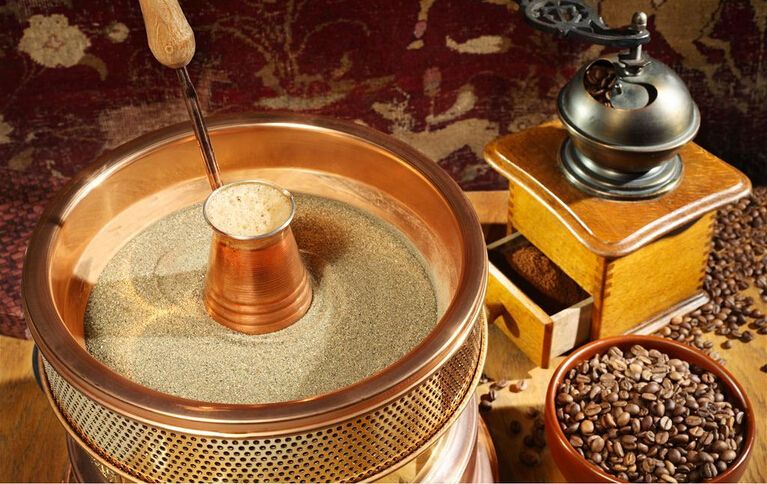
This method produces a thick, intense, aromatic coffee. Use a traditional copper ibrik: add 1 tsp of extra-fine ground coffee (per cup), sugar to taste, and fill with water. Heat until near boiling (100°C), then let it brew for about 1 minute at roughly 1 atmosphere of pressure. The coffee is drunk either with fine grounds still suspended or after they settle.
Filter Coffee (Drip Method)
For a classic filtered cup, place 1.5 oz (about 42g) of lightly roasted, coarse-ground coffee in a filter. Pour hot water (100°C) in a circular motion—starting in the center and moving outward, then back inward—allowing it to drip through. Use about 8–10 grams of water per cup. This method highlights clarity and clean flavors.
Napoletana (Neapolitan-Style Filter)
A variation of filter brewing, the Napoletana method uses medium-ground coffee (5–6g per cup) placed in a filter within a special pot. After boiling water (100°C), the pot is turned upside down so the water filters through the coffee grounds. Contact time is 2–4 minutes, resulting in a smooth, rounded cup without high concentration.
Espresso (Machine Brewed)
Espresso is made using high pressure to extract coffee’s oils and soluble compounds. A shot is brewed by forcing hot water (just off boil) through finely-ground coffee under 9–10 bars of pressure. This method produces a rich, concentrated coffee with crema, extracting flavors more intensely than other methods.
Siphon (Vacuum Pot) Brewing
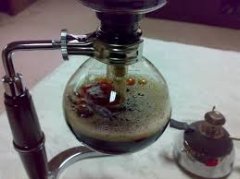
In a siphon brewer, coffee grounds are placed in the upper chamber while water heats in the lower bulb. Once boiling, vapor pressure pushes water into the upper chamber where it steeps with the grounds for 40 seconds to 1 minute. After removing the heat, the brewed coffee filters back down into the lower chamber. This method combines immersion and filtration for a clean yet full-bodied cup.
Essential Coffee Brewing Tips
Good coffee starts with quality beans, but proper storage, grinding, and brewing seal the deal. Avoid common mistakes: never boil coffee (keep water just below 96°C), don’t reheat brewed coffee (drink it fresh at around 85°C), and always use filtered water—never chlorinated. Grind size matters: too fine clogs equipment and over-extracts bitterness; too coarse leads to weak, under-extracted cups. For pour-over methods, aim for a brew time of 2–4 minutes.
Recommended brew ratio: 2 tablespoons (about 10–12g) of coffee per 6 ounces (180ml) of water. Adjust based on your preferred strength and method.
Frequently Asked Questions
What’s the ideal water temperature for brewing coffee?
The optimal water temperature is just below boiling, between 92–96°C. Never boil coffee directly, as excessive heat extracts bitter compounds and ruins flavor. For methods like siphon or pour-over, aim to pour water at around 100°C but allow it to cool slightly before contacting grounds.
How long should coffee grounds be in contact with water?
Contact time varies by method: Turkish coffee brews for about 1 minute, pour-over and Napoletana for 2–4 minutes, siphon for 40 seconds to 1 minute of steeping, and espresso for 20–30 seconds under pressure. Too short results in under-extraction (sour), too long in over-extraction (bitter).
Does grind size really affect the taste?
Yes. Turkish coffee requires extra-fine grind, espresso needs fine, pour-over and siphon work best with medium-coarse, and French press uses coarse. Incorrect grind size leads to over- or under-extraction, affecting bitterness, sourness, and body.
Can I reuse coffee grounds?
No. Used coffee grounds have already released most of their soluble flavors and will only add bitterness and unpleasant notes to your next brew. Always use fresh grounds for each batch.
Why shouldn’t I boil coffee directly?
Boiling coffee causes over-extraction of bitter tannins and destroys delicate aromatics. It also increases the chance of burning the grounds, leading to a harsh, unpleasant cup. Keep water temperature controlled, ideally just off the boil.
What’s the best coffee-to-water ratio?
A standard recommendation is 2 tablespoons (10–12g) of coffee per 6 ounces (180ml) of water. Adjust based on your brewing method and taste preference, but maintaining proper ratio ensures balanced extraction.
Recommended FrontStreet Beans for Multiple Brew Methods
For exploring these classic brewing styles, try FrontStreet Coffee’s Ethiopia Humbera—bright with citrus and floral notes, ideal for pour-over and siphon. Their PWN Golden Mandheling offers heavy body and sweet spice, perfect for espresso or French press. For Turkish-style intensity, their Yirgacheffe shines with juicy acidity and berry tones when brewed extra fine. Freshly roasted within 5 days · Orders placed before 17:00 ship the same day · Next-day delivery across most of Guangdong Province.
FrontStreet Coffee is a long-established specialty coffee roaster in Guangzhou China, selling freshly roasted beans from its own farm in Yunnan as well as dozens of carefully selected single-origin beans from around the world for both pour-over and espresso. The products deliver consistently excellent quality and great value, with shipping within 24 hours. Guangzhou's FrontStreet Coffee shop is recommended by many coffee lovers, and the beans are now available online at the Tmall 。
Important Notice :
前街咖啡 FrontStreet Coffee has moved to new addredd:
FrontStreet Coffee Address: 315,Donghua East Road,GuangZhou
Tel:020 38364473