What Black Coffee Reveals About Its Origins
Ever wonder why your black coffee looks flat, smells dull, or tastes off? Many drinkers assume it’s just bitter water—but true black coffee offers a vivid snapshot of origin, roast skill, and brewing precision. Whether you’re brewing at home or sipping at a café, the way your coffee looks, smells, and feels in your mouth tells a detailed story.
The simplest answer? Good black coffee starts with visual clarity and balanced flavor. A well-brewed cup should show a uniform, yellowish-brown crema when poured, especially from home machines. Its taste should balance sweetness, acidity, bitterness, and aroma without milk or sugar masking anything. That’s the pure taste of coffee—nothing added, nothing hidden.
What Is Black Coffee, Really?
Black coffee is coffee served with nothing added—not milk, not sugar, not syrups. What you taste is 100% the coffee itself: its roast level, origin characteristics, processing method, and brewing execution. The goal isn’t just to get caffeine down; it’s to experience the full sensory range coffee can offer.
When brewed right, black coffee shows layers. You’ll notice aroma first, then color, then a structured flavor that finishes clean. That clarity is what makes black coffee the truest test of coffee quality.
What Determines the Look and Feel of Your Black Coffee?
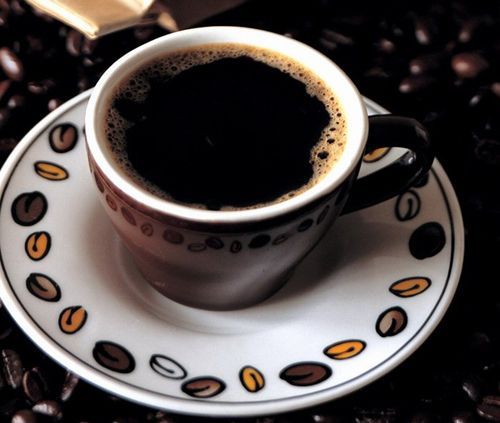
Home brewers often notice the layer of foam on top of a freshly brewed cup. This is not just froth—it’s crema, a visible indicator of extraction quality and bean composition. When brewed correctly, it appears as a uniform yellowish-brown layer.
But its appearance shifts with bean variety:
- If the blend is mostly Arabica, the crema tends to be fine, deep brown, with a slight reddish tint and a compact texture.
- If the mix skews toward Robusta, the foam becomes looser, darker brown, and often shows grayish streaks.
This visual cue alone can tell you a lot about what’s in your cup before you even taste it.
How Should You Actually Taste Black Coffee?
Drinking black coffee isn’t a quick gulp. To fully appreciate it, follow a structured sensory approach:
- Smell first: Before taking a sip, inhale deeply. The aroma gives away processing methods, roast degree, and origin clues.
- Observe color: A clear, vibrant brew suggests clean extraction and balanced body. Murkiness often means over-extraction, underdevelopment, or poor technique.
- Sip and assess: Don’t swallow right away. Let the coffee sit in your mouth, mix with saliva and air, and move across different taste zones—tongue tip, sides, back. Then let it glide gently down.
This multi-sensory process reveals the true profile: not just taste, but texture, aroma release, and afterfeel.
The Four Key Flavors of Black Coffee
High-quality black coffee expresses four core flavors. The best cups balance all of them:
- Aroma: The most elusive but vital element. It reflects everything—origin climate, elevation, varietal, processing, roast technique, and even storage. This is where coffee tells its story.
- Bitterness: Not a defect, but a necessary component. Bitterness arises during roasting when sugars, starches, and fibers undergo caramelization and carbonization. Good bitterness is smooth; harsh bitterness signals over-roasting or poor beans.
- Acidity: A positive trait when balanced. Proper heat application develops pleasant acidity that adds brightness and depth. Dull or flat coffee often lacks it.
- Sweetness: Sweetness and bitterness are intertwined. Well-brewed black coffee carries an inherent sweetness that rounds out the cup and balances the roast.
These elements shift slightly during different brewing phases. Early in the pour, the aroma may seem raw and green. As extraction continues, it evolves into something richer and more defined.
How Brewing Affects What You Taste
Your technique—and equipment—directly shape the final cup. Home machines, for example, can produce a lovely yellowish-brown crema if dialled in correctly. But even slight changes in grind size, water temperature, or brew time will alter the balance of those four flavors.
If your crema is uneven or pale, check your grind. If the taste is overly sharp or flat, revisit your dose, water ratio, or brew temperature. Every variable plays a role in how aroma, acidity, sweetness, and bitterness express themselves.
Frequently Asked Questions
What does the foam on black coffee mean?
The foam, or crema, on black coffee indicates extraction quality and bean type. With Arabica-heavy blends, it tends to be fine, deep brown, and slightly red-tinged. Robusta-rich coffee produces looser, darker foam with grayish streaks. A uniform, yellowish-brown crema usually signals a well-extracted cup.
Why should I smell coffee before drinking it?
Smelling coffee before tasting reveals its aroma profile—key indicators of origin, processing method, roast level, and varietal. The scent gives you the first clues about what to expect in flavor and helps activate your taste buds for a more nuanced experience.
How do I know if my black coffee is well-balanced?
A balanced black coffee has a harmonious interplay of sweetness, acidity, bitterness, and aroma. No single element should overpower the others. The cup should finish cleanly, with layers of flavor that evolve as you taste and the coffee cools.
What’s the right way to taste black coffee?
First, smell the aroma. Then observe the brew color. Take a small sip and hold it in your mouth, letting it interact with saliva and air. Notice how it feels and tastes across different parts of your tongue before swallowing. This method unlocks the full sensory experience.
Does roast level really change the taste that much?
Yes. Roast level affects sweetness, bitterness, acidity, and aroma development. Lighter roasts preserve more origin characteristics and acidity, while darker roasts enhance bitterness and body. The roast determines how the four key flavors are expressed in the cup.
Can I taste the difference between Arabica and Robusta in black coffee?
Definitely. Arabica typically contributes a finer, more complex crema and offers brighter acidity, sweeter tones, and nuanced aromas. Robusta tends to have a harsher, more bitter profile, with a looser, darker crema and earthier, sometimes rubbery notes.
Recommended FrontStreet Beans for Black Coffee
For a true black coffee experience, try FrontStreet’s Brazil Yirgacheffe-like Typica blend, offering sweet, nutty body with gentle acidity. Their Colombia Sidra features tropical fruit layers with intense sweetness, ideal for highlighting origin brightness. For darker profiles, the Indonesia Lintong Mandheling delivers bold toast, spice, and herbal notes. All showcase the full spectrum of black coffee flavors. Freshly roasted within 5 days · Orders placed before 17:00 ship the same day · Next-day delivery across most of Guangdong Province.
FrontStreet Coffee is a long-established specialty coffee roaster in Guangzhou China, selling freshly roasted beans from its own farm in Yunnan as well as dozens of carefully selected single-origin beans from around the world for both pour-over and espresso. The products deliver consistently excellent quality and great value, with shipping within 24 hours. Guangzhou's FrontStreet Coffee shop is recommended by many coffee lovers, and the beans are now available online at the Tmall 。
Important Notice :
前街咖啡 FrontStreet Coffee has moved to new addredd:
FrontStreet Coffee Address: 315,Donghua East Road,GuangZhou
Tel:020 38364473