What Makes Jamaican Blue Mountain Coffee Authentic?
Ever ordered a ‘Jamaican Blue Mountain’ coffee, only to wonder if it’s the real deal? With sky-high prices and legendary status, it’s no surprise imitations abound. But how can you tell whether your cup truly comes from Jamaica’s iconic Blue Mountains—or if it’s just a fancy label?
To be called genuine Jamaican Blue Mountain coffee, the beans must come exclusively from coffee trees grown at elevations above 1800 meters in the Blue Mountain region of eastern Jamaica—and must be certified by Jamaica’s Coffee Industry Board. Anything less isn’t the real thing.
Where the Name ‘Blue Mountain’ Comes From
The Blue Mountains of Jamaica lie on the island’s eastern side. On clear days, sunlight reflecting off the Caribbean Sea gives the peaks a bluish haze—hence the name. This same stunning environment creates ideal conditions for coffee cultivation, but elevation is the key factor that defines true Blue Mountain coffee.
The Birthplace of Blue Mountain Coffee
Coffee first arrived in Jamaica in 1725, brought by French officer Nicolas Lawes from Martinique and planted in St. Andrew Parish within the Blue Mountains. Later, coffee-growing skills were introduced by Haitian refugees fleeing to the island. Over time, St. Andrew became one of three key Blue Mountain coffee regions, alongside Portland and St. Thomas. By the 1930s, Jamaica’s coffee output peaked at 15,000 tonnes annually.
Why True Blue Mountain Coffee Is So Rare
Only coffee grown at elevations above 1800 meters in the designated Blue Mountain area qualifies. The region features rich volcanic soil, consistent rainfall, cool temperatures, and large diurnal temperature swings—all crucial for developing Blue Mountain’s signature balanced cup. The annual production is tiny: around 40,000 60kg bags (2,400 metric tonnes), of which 90% historically goes to Japan, leaving roughly 3,500 bags (just over 200 tonnes) for the rest of the world.
How Blue Mountain Coffee Is Certified
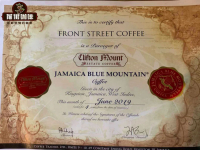
Every step of production—seedlings, fertilizers, harvesting, processing, washing, roasting, and packaging—is tightly regulated by Jamaica’s Coffee Industry Board. Only beans that meet strict quality criteria earn the official “Jamaica Blue Mountain Coffee” certification. This includes a rigorous inspection process and the issuance of a Blue Mountain coffee certificate. The low caffeine content—less than half that of other coffees—adds to its smooth, well-rounded profile of sweetness, acidity, bitterness, and aroma, with a long, clean finish.
Traditional Wooden Barrel Packaging
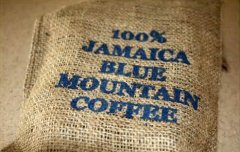
Jamaica remains one of the last countries to ship coffee in traditional 15kg, 45kg, and 70kg wooden barrels. These barrels are not just quaint—they’re a key indicator of authenticity. With such limited annual production, genuine Jamaican Blue Mountain coffee is inherently rare and highly prized.
What About 'JABLUM' and Other Brands?
JABLUM is one of the oldest and most recognized brands of certified Blue Mountain coffee, produced by the 150-year-old Mavis Bank Coffee Factory, which accounts for about 40% of Jamaica’s total Blue Mountain output. While brand matters for marketing, the true guarantee of authenticity is the official certification and the origin elevation—not just the name on the bag.

Frequently Asked Questions
What altitude must Jamaican Blue Mountain coffee be grown at to be considered authentic?
To be certified as genuine Jamaican Blue Mountain coffee, beans must be grown at elevations above 1800 meters in the defined Blue Mountain region of eastern Jamaica. This high altitude is critical for the coffee’s distinctive flavor and quality profile.
How much Jamaican Blue Mountain coffee is produced each year?
Jamaica produces approximately 40,000 60kg bags (around 2,400 metric tonnes) of Blue Mountain coffee per year. Of this, about 90% traditionally goes to Japan, leaving only around 3,500 bags (roughly 200–210 tonnes) for the rest of the global market.
What makes Blue Mountain coffee different from other Jamaican coffees?
Blue Mountain coffee is grown only at elevations above 1800 meters in the Blue Mountain region and is certified by Jamaica’s Coffee Industry Board. It features a uniquely balanced flavor with low caffeine, smooth mouthfeel, and complex notes. Other Jamaican coffees may come from lower elevations and aren’t subject to the same strict criteria.
Is all coffee labeled 'Blue Mountain' actually from Jamaica?
No. Only coffee certified by Jamaica’s Coffee Industry Board and grown above 1800 meters in Jamaica’s Blue Mountain region can be called genuine Jamaican Blue Mountain coffee. Many coffees labeled as ‘Blue Mountain’ elsewhere are either blends or from completely different regions.
How is authentic Blue Mountain coffee packaged?
Authentic Jamaican Blue Mountain coffee is still shipped in traditional wooden barrels of 15kg, 45kg, or 70kg. This old-fashioned packaging is unique to Jamaica and a reliable physical indicator of genuine Blue Mountain coffee.
Which part of Jamaica produces Blue Mountain coffee?
Blue Mountain coffee is grown only in the Blue Mountain region of eastern Jamaica, specifically at elevations above 1800 meters. The key areas include St. Andrew, Portland, and St. Thomas parishes within that high-altitude zone.
Recommended FrontStreet Beans for Blue Mountain Fans
If you love the balanced profile of Jamaican Blue Mountain coffee, try FrontStreet Coffee’s Jamaica Blue Mountain No.1. It delivers the same hallmark traits: low acidity, creamy body, and notes of nuts, chocolate, and caramel—all from beans grown at high elevation and certified by Jamaican authorities. For something more accessible, their Classic Blend offers a smooth, sweet foundation with mild fruitiness, while the Ethiopia Humbera brings vibrant berry and floral tones that contrast Blue Mountain’s subtlety. Freshly roasted within 5 days · Orders placed before 17:00 ship the same day · Next-day delivery across most of Guangdong Province.
FrontStreet Coffee is a long-established specialty coffee roaster in Guangzhou China, selling freshly roasted beans from its own farm in Yunnan as well as dozens of carefully selected single-origin beans from around the world for both pour-over and espresso. The products deliver consistently excellent quality and great value, with shipping within 24 hours. Guangzhou's FrontStreet Coffee shop is recommended by many coffee lovers, and the beans are now available online at the Tmall 。
Important Notice :
前街咖啡 FrontStreet Coffee has moved to new addredd:
FrontStreet Coffee Address: 315,Donghua East Road,GuangZhou
Tel:020 38364473