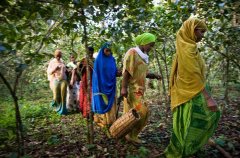
What Is Yunnan Coffee Farming Really Like?
You’ve sipped black coffee from a porcelain cup—maybe even sought out its acidity or savored its bitterness—but have you ever wondered what it takes to grow the beans behind that familiar drink? For many, coffee begins and ends at the cup. But in a remote corner of China, it starts on steep mountain farms where life is far removed from café culture.
Yunnan produces over 65% of China’s coffee, with 425,000 acres under cultivation—more than any other province. Major global players like Nestlé, Starbucks, and UCC source here, yet locals rarely drink or even see the fresh coffee grown in their own region.
Visiting Lancang Lahu Autonomous County—a lesser-known coffee hub in Pu’er—reveals a disconnect between production and consumption. The area looks like any other developing Chinese town, not a specialty coffee powerhouse. Despite global demand, there’s not a single quality-focused café serving locally grown beans. Most coffee is sold immediately after harvest to large processors, then shipped off to become someone else’s packaged product.
"The town sells no coffee," explained a local farmer. "Most beans are bought straight from the fields." While international giants dominate pricing and exports, local farmers remain trapped in a cycle of low margins and short-term planning. Efforts to build tourism or brand identity—like those attempted by cooperatives or boutique brands—face structural and financial hurdles.
The challenges go beyond marketing. Farming methods are often basic, with limited investment in processing innovation or quality control. “We focused too much on production and not enough on the market,” said one grower. Unlike regions with protected designations of origin, Yunnan lacks standardized branding, leading to inconsistent quality and a lack of recognition for its distinct terroir.
Lancang itself is far from picturesque in the way traditional coffee regions are imagined. There are no charming cafes lining the streets, no baristas crafting lattes with beans grown just up the road. Instead, there’s a quiet, industrious reality: coffee is harvested, processed, and exported at scale, yet remains largely invisible to the people who grow it.
Why Yunnan Became China’s Coffee Hub
In 1904, French missionaries introduced coffee—specifically the Typica variety—to Yunnan’s Binchuan County, planting the first trees in Zhugula Village. Over a century later, Yunnan’s climate and elevation proved ideal for growing what the industry calls “smallholder Arabica,” a term often used interchangeably with Yunnan coffee or Yunnan small beans. By 2011, the province had 425,000 acres of coffee, accounting for 65.6% of China’s total acreage and over 65% of national production and value.
Global coffee giants recognized this potential early. Companies such as Nestlé, Mars, Kraft, Newman’s Own, and Ikam have long operated in the region, joined more recently by Japanese UCC and various Taiwanese brands. In November of the previous year, Starbucks signed its first global coffee farming cooperation memorandum with the Pu’er government, establishing its first-ever dedicated coffee growing base in the area.
“Pu’er has 425,000 acres of coffee,” the article notes, “with production and value both over 50% of Yunnan’s total.” That makes it not just a key domestic region, but a significant player on the world stage—whether consumers know it or not.
The Local Struggle: Coffee Without a Cup
Despite the global interest, locals often have no access to the coffee they grow. “You can’t buy coffee in town,” said one resident. “It’s all sold to processing companies.” Many ethnic minority farmers in Lancang have never tasted coffee made from their own freshly harvested beans. The town’s bustling market days and traditional dress are familiar sights, but coffee culture is absent.
The few coffee shops that exist serve mass-market blends, not single-origin Yunnan beans. “They don’t even have local channels for fresh local beans,” the report states. Instead, nearly all production is bought raw, processed elsewhere, and sold as generic supermarket coffee. Even within the industry, the origin remains obscured.
Attempts at change are rare. In Baoshan, another major coffee region, the state-linked company Hougu has built one of China’s largest instant coffee plants. Alongside corporate giants, it has also incubated newer brands like “Qiugongguan,” which markets itself through storytelling, ethnic harvesting experiences, and novelty products like panda-themed pour-over cups. While these efforts show potential, they remain exceptions in an otherwise commoditized landscape.
The Reality of Yunnan Coffee Farming
Most Yunnan coffee farms still operate with extensive, low-margin practices. “We focused too much on production and not enough on the market,” one farmer admitted. The lack of a cohesive regional brand or EU-style origin protection means quality varies widely, and farmers have little incentive to invest in processing or traceability.
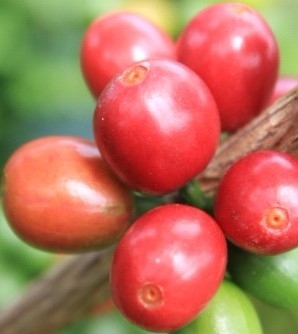
The cooperative model faces additional hurdles. “Farmers are focused on short-term gains,” noted one cooperative leader. “Our bylaws often get ignored, making long-term planning nearly impossible.” Without enforceable contracts or shared vision, even well-intentioned projects struggle to evolve beyond subsistence farming.
Lancang illustrates the broader issue: a region vital to global coffee supply chains, yet disconnected from the cultural and economic benefits of specialty coffee. “The framework can’t be broken,” said one frustrated farmer dreaming of turning his mountain farm into a tourist destination. Without systemic change, that vision stays just out of reach.
Frequently Asked Questions
Where is Yunnan coffee mainly grown?
Yunnan coffee is grown primarily in Pu’er, including counties like Lancang Lahu Autonomous County. By 2011, Pu’er alone accounted for 425,000 acres of coffee cultivation—65.6% of China’s total coffee-growing area.
Which global coffee companies source from Yunnan?
Major international coffee companies such as Nestlé, Mars (including brands like Uncle Ben’s/Masterfoods), Kraft, Newman’s Own, and Ikam have been sourcing coffee from Yunnan for years. More recent entrants include Japanese UCC and several Taiwanese coffee brands. Starbucks also established its first global coffee farming base in Yunnan in a 2023 partnership with the Pu’er government.
Why don’t locals in Yunnan drink their own coffee?
Most locally grown coffee is sold immediately after harvest to large processing firms, who export it as generic coffee. Fresh Yunnan beans rarely make it back to local markets, and many residents have never tasted coffee made from their region’s beans. There are almost no cafés in these farming areas serving single-origin Yunnan coffee.
What coffee varieties are grown in Yunnan?
Yunnan grows mostly Arabica, particularly the Typica and Bourbon-related varieties such as Typica (Typica), which was first introduced by French missionaries in 1904. The region also cultivates some Catimor hybrids. Yunnan small beans typically refer to the small fruit of the Arabica plant, especially Typica and related cultivars.
Is Yunnan coffee considered specialty grade?
While Yunnan produces both commercial and specialty-grade coffee, much of it is sold as generic due to inconsistent quality control, limited processing standards, and a lack of origin branding. Some farms and cooperatives are working toward higher standards, but the majority remains commoditized.
Can you visit Yunnan coffee farms?
Yes, but they are not set up as tourist destinations. Most farms are working agricultural operations without visitor infrastructure. A few initiatives, like those in Baoshan, have attempted agritourism or educational experiences, but these are not yet widespread in Yunnan’s major coffee-growing regions.
Recommended FrontStreet Beans for Exploring Yunnan Flavor
Start your Yunnan coffee journey with FrontStreet’s Yunnan Arabica, a washed Typica variety offering soft nutty and chocolatey tones with a hint of plum acidity. For a deeper dive, try the 2013 Typica—fully ripe red cherries processed naturally, then medium roasted to highlight balanced sweetness with notes of dark berries, caramel, and dried apricot, finishing with tea-like brightness. Both beans retail at approachable prices and are ideal introductions to Yunnan’s terroir. Freshly roasted within 5 days · Orders placed before 17:00 ship the same day · Next-day delivery across most of Guangdong Province.
FrontStreet Coffee is a long-established specialty coffee roaster in Guangzhou China, selling freshly roasted beans from its own farm in Yunnan as well as dozens of carefully selected single-origin beans from around the world for both pour-over and espresso. The products deliver consistently excellent quality and great value, with shipping within 24 hours. Guangzhou's FrontStreet Coffee shop is recommended by many coffee lovers, and the beans are now available online at the Tmall 。
Important Notice :
前街咖啡 FrontStreet Coffee has moved to new addredd:
FrontStreet Coffee Address: 315,Donghua East Road,GuangZhou
Tel:020 38364473