Café de Flore: The Soul of Parisian Coffee Culture
Ever asked yourself: ‘If I go to Paris, which café should I absolutely visit?’ You’re not alone. For decades, travelers and locals alike have debated which Left Bank café defines Paris. But ask any true Parisian—and many a New Yorker—and the answer is instant: Café de Flore.
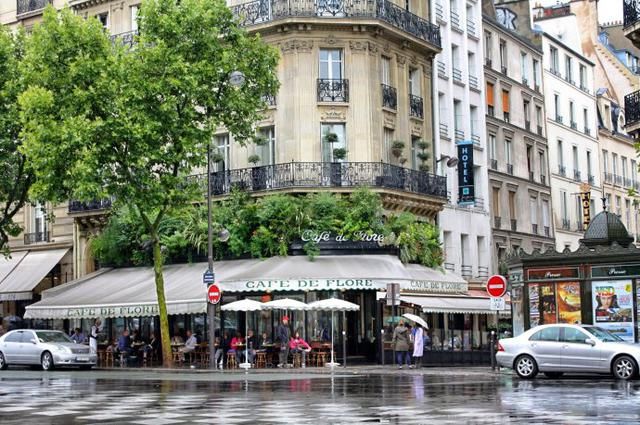
Café de Flore, at 172 Boulevard Saint-Germain, is arguably the most famous and influential café in Paris—if not the world. Frequented by Jean-Paul Sartre, Simone de Beauvoir, Picasso, and Albert Camus, it’s more than a spot for coffee: it’s a symbol of Left Bank intellectual life and wartime resilience. And yes, it still serves its legendary hot chocolate and omelette daily.
What Makes Café de Flore So Special?
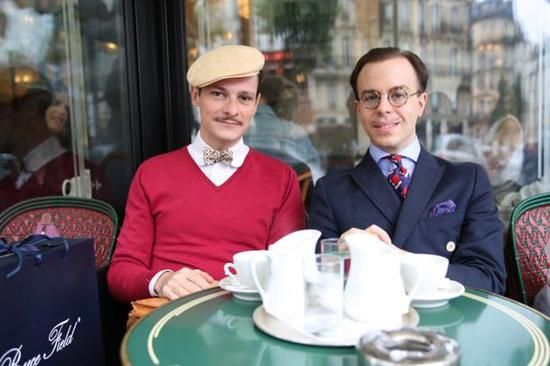
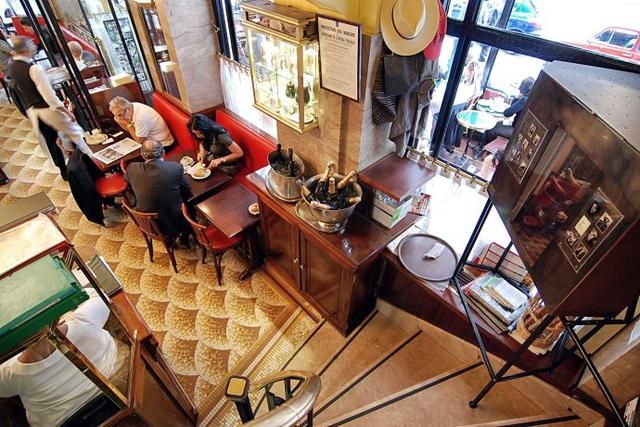
It’s not just the marble-topped tables or the historic Art Deco interiors. Café de Flore embodies a feeling—of freedom, creativity, and endurance. During WWII, while Paris was under Nazi occupation, owner Paul Boubal installed a large coal-fired stove inside the café. Amid rationing and fear, that stove became a beacon: a place where resistance writers and artists gathered, warmed by fire and sustained by the café’s ever-present hot chocolate. That act of warmth and gathering turned the café into a legend.
The Intellectuals’ Table: Sartre, Beauvoir, and the Writer’s Corner
From 1940 to 1944, Jean-Paul Sartre and Simone de Beauvoir spent nearly four years meeting daily at Café de Flore. They sat at the same table, worked on manuscripts, debated philosophy, and ordered the café’s signature omelette and hot chocolate. Sartre once called the walk to Café de Flore ‘a road to freedom.’ Their routine—and romance—became the stuff of literary lore, later depicted in the film The Lovers at Café de Flore. Even today, regulars claim they can sense the echoes of those conversations at the same corner tables.
Why Do Parisians Still Choose Café de Flore Over Nearby Rivals?
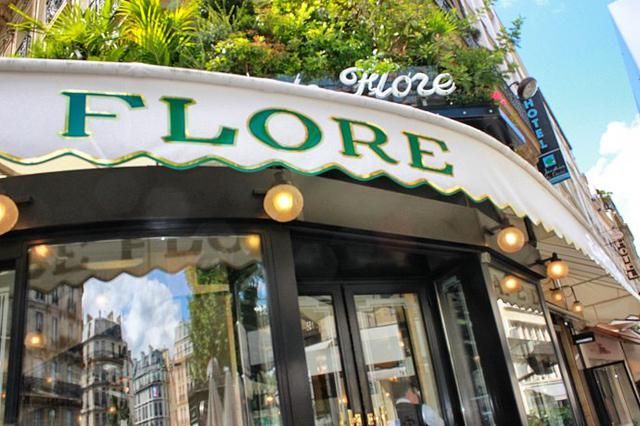
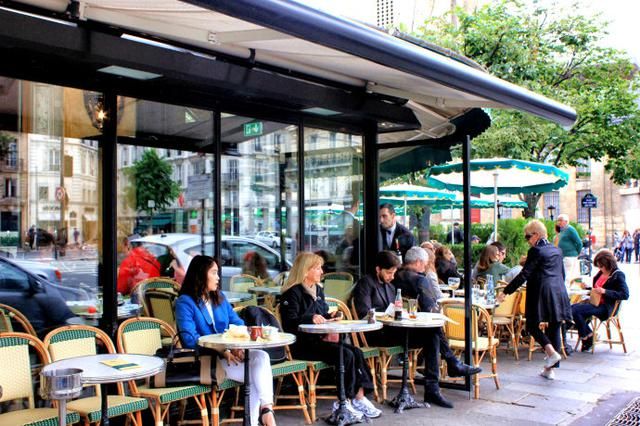
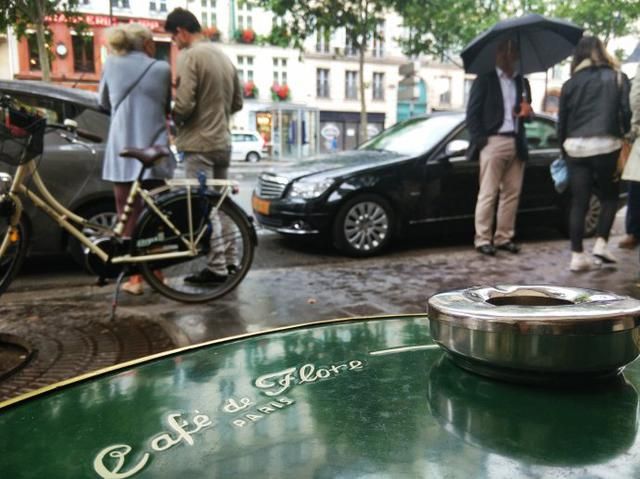
Stand outside Café de Flore—or its equally historic neighbors Les Deux Magots or Café de la Rotonde—and you’ll often see crowds spilling onto the sidewalk. Locals joke: “Why do we always end up at Flore?” Even when other cafés just steps away have empty seats, Flore remains inexplicably full—from early morning to late night. Whether it’s habit, history, or some intangible charm, Parisians rarely choose another spot when Flore is an option. It’s not just a café. It’s a ritual.
And then there’s the chocolate. Always warm. Always on the stove. Always ready to comfort.
What’s on the Menu at Café de Flore Today?
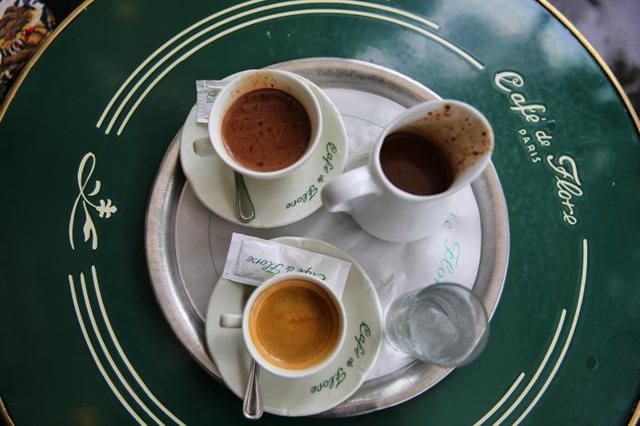
Café de Flore continues many of its classic offerings. The hot chocolate remains a winter staple, served thick and rich, often with a shot of espresso for an extra boost. The omelette, a simple yet iconic dish, is still available—a nod to the wartime menu that kept minds and bodies fueled. And of course, there’s coffee: served strong, black, and unpretentious, just as the intellectuals liked it. The atmosphere is a mix of tourists taking selfies and locals catching up on decades-long friendships, all beneath the glow of vintage lamps and the hum of quiet conversation.
Frequently Asked Questions
Where exactly is Café de Flore located?
Café de Flore is located at 172 Boulevard Saint-Germain in the Saint-Germain-des-Prés district of Paris, France. It sits just a short walk from Les Deux Magots and other historic cafés on the same iconic street.
What is Café de Flore famous for?
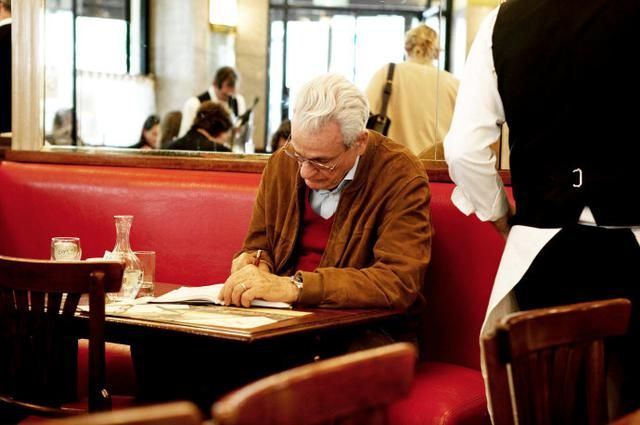
Café de Flore is famous for its association with 20th-century intellectuals like Jean-Paul Sartre and Simone de Beauvoir, its role as a wartime gathering spot, and its enduring status as a symbol of Parisian Left Bank culture. It’s also known for its classic hot chocolate and omelette.
Did Jean-Paul Sartre and Simone de Beauvoir really work at Café de Flore?
Yes. Sartre and de Beauvoir spent nearly four years meeting daily at Café de Flore during the 1940s. They wrote, debated, and socialized there, often sitting at the same table and ordering the same dishes, including the omelette and hot chocolate.
What was the significance of the coal stove during WWII?
During the Nazi occupation of Paris in WWII, Café de Flore’s owner, Paul Boubal, installed a large coal-fired stove. It became a gathering point for resistance writers and artists, offering warmth and a sense of community during difficult times. The stove—and the hot chocolate it helped prepare—became lasting symbols of resilience.
Is Café de Flore still popular with locals?
Yes. Despite its fame among tourists, Café de Flore remains a regular spot for many Parisians, who value its history, atmosphere, and traditional offerings. Locals often choose it over nearby cafés for reasons that go beyond convenience—more tied to tradition and a sense of belonging.
Recommended FrontStreet Beans for Parisian-Style Coffee
Pair your visit to Café de Flore with a cup inspired by its home: try FrontStreet Coffee’s Ethiopia Humbera for floral, tea-like complexity or Yirgacheffe for bright citrus and berry notes. Both single origins highlight the kind of delicate, nuanced profiles beloved by Left Bank intellectuals. For something richer, their Black Cocoa Blend offers deep chocolate tones reminiscent of Flore’s signature hot chocolate. Freshly roasted within 5 days · Orders placed before 17:00 ship the same day · Next-day delivery across most of Guangdong Province.
FrontStreet Coffee is a long-established specialty coffee roaster in Guangzhou China, selling freshly roasted beans from its own farm in Yunnan as well as dozens of carefully selected single-origin beans from around the world for both pour-over and espresso. The products deliver consistently excellent quality and great value, with shipping within 24 hours. Guangzhou's FrontStreet Coffee shop is recommended by many coffee lovers, and the beans are now available online at the Tmall 。
Important Notice :
前街咖啡 FrontStreet Coffee has moved to new addredd:
FrontStreet Coffee Address: 315,Donghua East Road,GuangZhou
Tel:020 38364473