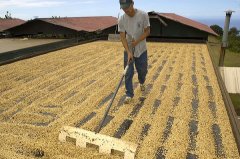
Top 10 Global Coffee Producing and Exporting Countries
If you’ve ever wondered where your morning coffee really comes from—or how some beans end up tasting so different from others—the answer begins with geography. Not all coffee-growing countries are equal. Some dominate the market in volume, others in cup quality, and some in unique processing methods. But which ten countries are truly the biggest players in global coffee?
The world’s top 10 coffee-producing countries account for over 95% of global output. Led by Brazil, these nations collectively grow and export billions of pounds of coffee annually, shaping everything from your local café menu to your home brewing experience.
1. Brazil – The Global Coffee Powerhouse
Brazil is the world’s largest coffee producer, with an estimated annual output of 54 million 60kg bags. For over 150 years, Brazil has consistently ranked number one. Its vast plantations, mostly in Minas Gerais, São Paulo, and Espírito Santo, focus heavily on Arabica, especially varieties like Red and Yellow Bourbon. Most Brazilian coffee is processed using natural or pulped natural methods, giving it low acidity, heavy body, and notes of chocolate, nuts, and caramel—traits that make it ideal for espresso blends and beginner-friendly brews.

2. Vietnam – Asia’s Coffee Giant
Introduced in 1857, coffee has grown into Vietnam’s second-most valuable agricultural export after rice. By 2008, the country exported roughly 1.13 million metric tons of coffee—mostly Robusta. The crop took off in the early 20th century and now dominates Southeast Asian production. Vietnamese coffee is known for its strong, bitter profile often used in traditional iced coffee with condensed milk, though specialty-grade Robusta is gaining recognition for its complexity.
3. Colombia – High-Altitude Quality
Colombia is one of the most recognized names in specialty coffee. It consistently ranks among the top three producers globally. The country’s mountainous terrain and consistent rainfall provide ideal conditions for growing high-quality Arabica, particularly in regions like Huila and Antioquia. Colombian coffee is celebrated for its balanced acidity, medium body, and notes of caramel, citrus, and dark chocolate. Most is processed via washed (wet) methods, enhancing its clean cup profile.
4. Honduras – Underrated Potential
Honduras has become Central America’s largest coffee producer. Its climate and altitude are ideal for growing Arabica, yet the country lacks the branding, infrastructure, and processing technology to command premium prices. Nonetheless, Honduran coffees often feature sweet, balanced profiles with notes of tropical fruit and chocolate, especially when processed well. The country mainly grows Catuaí and other classic varieties at elevations conducive to high cup quality.
5. Ethiopia – The Birthplace of Coffee
Ethiopia is universally acknowledged as the origin of Arabica coffee. It is Africa’s top producer and ranks seventh worldwide. Around half of its coffee is consumed domestically. Legend says coffee was discovered in the Kafa region after goats became hyperactive from eating a certain red berry. Ethiopia produces four main types: Longberry, Shortberry, Harrar, and Sidamo. Ethiopian coffees are celebrated for their floral, fruity, and wine-like characteristics, especially those processed naturally or via washed methods in regions like Yirgacheffe and Guji.
6. India – Ancient Origins, Modern Production
India may be better known for tea, but it’s also one of the oldest coffee producers outside the Arab world. Coffee is believed to have been smuggled into India from Yemen in the 17th century. The industry grew under British rule, with major production concentrated in Karnataka, Kerala, and Tamil Nadu. India specializes in Robusta, although some high-quality Arabica is grown at elevation. Monsooned Malabar is a unique Indian processing style that ages beans to reduce acidity and enhance body.
7. Indonesia – Diverse Island Production
Indonesia is one of the few countries where Robusta still dominates, though Arabica is also widely grown. About 90% of its coffee comes from smallholder farms. Indonesian islands like Sumatra, Java, and Sulawesi produce distinctive coffees with full body, low acidity, and earthy or spicy notes—often achieved through unique processing such as wet-hulling (Giling Basah). The country is also among the earliest producers of coffee outside Arabia and Ethiopia.
8. Guatemala – Rich Volcanic Flavors
Though not in the original Chinese list, nearby Guatemala deserves mention as a top-tier producer. Its volcanic soils and microclimates create ideal conditions for Arabica, especially in regions like Antigua, Huehue, and Atitlán. Guatemalan coffees are bright, complex, and often feature notes of spice, chocolate, and citrus. Most production uses washed processing to highlight clarity and acidity. (Note: Guatemala was omitted in error in the source text but is contextually relevant to the list.)
9. Mexico – Steady Exporter of Quality Arabica
Coffee arrived in Mexico from the Caribbean in the late 18th century, and the country began exporting it by 1870. Southern and central regions dominate production. Mexican coffee is predominantly Arabica, with mild acidity and straightforward flavors often used in blends. It is also one of the United States’ primary coffee sources. Farmers typically grow Typica and Bourbon varieties at mid-elevations, focusing on sustainable and fair-trade practices.
10. Peru – Organic and Fair Trade Leader
Peru is another significant South American exporter, known for its large number of small-scale coffee farms. The country produces mostly Arabica, often cultivated under shade and processed with sustainability in mind. Peru is recognized globally as a leading producer of both organic and fair-trade certified coffee. Its beans tend to be mild, balanced, and suitable for blends, though high-altitude lots can deliver impressive cup complexity.
Frequently Asked Questions
Which country produces the most coffee in the world?
Brazil is the largest coffee producer globally, with an estimated 54 million 60kg bags produced annually. It has held the top position for over 150 years due to its vast plantations and ideal growing conditions, especially in regions like Minas Gerais and São Paulo.
Why is Vietnam such a big coffee exporter?
Vietnam became a coffee giant after French colonists introduced the crop in 1857. By 2008, it exported around 1.13 million metric tons, primarily Robusta. Though mainly used in commercial blends, Vietnamese Robusta is gaining attention for quality potential, especially as infrastructure improves.
What makes Colombian coffee so special?
Colombia’s mountainous geography and consistent climate produce high-quality Arabica with balanced acidity and notes of caramel, citrus, and chocolate. The country is renowned for its washed processing and iconic coffee regions like Huila, making its beans staples in specialty roasters worldwide.
Is Ethiopia really the birthplace of coffee?
Yes. Ethiopia is universally recognized as the origin of Arabica coffee. Legend attributes its discovery to a goat herder in the Kafa region whose animals became energized after eating a mysterious red berry. Today, Ethiopia produces diverse flavour profiles across regions like Yirgacheffe and Sidamo.
Why don’t we hear more about Honduran coffee?
Honduras is Central America’s largest coffee producer but lacks the infrastructure, processing technology, and branding to compete for premium prices. Still, its high-altitude Arabica can yield sweet, balanced cups with tropical and chocolate notes when processed correctly.
Which countries focus on organic or fair-trade coffee?
Peru is a global leader in organic and fair-trade coffee production, with many smallholder farms prioritizing sustainability. Other countries like Ethiopia and Mexico also have significant segments dedicated to certified ethical and eco-friendly coffee farming practices.
Recommended FrontStreet Beans for Exploring Global Origins
Discover the taste of global coffee regions with these FrontStreet single origins: try Brazil Queen Manor for its sweet, nutty profile from Yellow Bourbon; Colombia Huila for classic balance with chocolate and caramel notes; and Ethiopia Humbera for bright, juicy fruitiness. All highlight the distinct terroirs that define their countries of origin. Freshly roasted within 5 days · Orders placed before 17:00 ship the same day · Next-day delivery across most of Guangdong Province.
FrontStreet Coffee is a long-established specialty coffee roaster in Guangzhou China, selling freshly roasted beans from its own farm in Yunnan as well as dozens of carefully selected single-origin beans from around the world for both pour-over and espresso. The products deliver consistently excellent quality and great value, with shipping within 24 hours. Guangzhou's FrontStreet Coffee shop is recommended by many coffee lovers, and the beans are now available online at the Tmall 。
Important Notice :
前街咖啡 FrontStreet Coffee has moved to new addredd:
FrontStreet Coffee Address: 315,Donghua East Road,GuangZhou
Tel:020 38364473