How to Make Perfect Espresso Crema Every Time
Making a truly great shot of espresso isn’t just about pushing water through ground coffee — it’s about controlling a chain of small details that determine whether your shot tastes balanced, sweet, and topped with a thick, stable crema. If your espresso lacks that rich, caramel-coloured foam or the bubbles pop too fast, the issue likely lies not with the machine alone, but with everything from your coffee blend to how you tamp the puck.
To get thick, long-lasting espresso crema, aim for a fine, even grind, compact the coffee bed firmly and evenly, and use a blend with the right fat content — typically around 10–16% depending on bean origin.
What Exactly Is Crema, and Why Does It Matter?
Crema is the golden-brown foam that sits atop a well-brewed espresso. It’s made up of tiny bubbles filled with coffee oils, proteins, and dissolved sugars — the very compounds that deliver much of espresso’s aroma and body. Good crema should be thick, creamy, and linger for a minute or more. It’s not just visual flair: it’s where a lot of the coffee’s aromatic intensity comes from.
Why Your Espresso Might Lack Crema (or Have Bad Crema)
Several technical and ingredient-related factors influence the quality of your crema. The coffee blend you choose has a big impact: blends with higher oil content (like many pure arabicas) tend to produce less stable crema, while adding robusta — which has lower oil content (around 10%) compared to arabica’s roughly 16% — can help improve stability. That’s why many classic espresso blends include a small percentage of robusta.
Other factors include cleanliness and preheating of the cup — a dirty or cool cup reduces surface tension and makes crema dissipate faster. The grind size matters too: finer grinds generally yield more crema, but only if your machine can handle the pressure. Finally, how you pack (or tamp) the coffee into the portafilter directly affects how evenly water flows through the puck, and therefore how well crema forms.
The Role of Coffee Bean Choice and Roast
Your choice of beans shapes not only flavour but crema formation. Most high-quality espresso blends combine arabica and a bit of robusta for balance. Pure arabicas may taste fruitier and more complex, but often lack the creaminess in crema that robusta contributes. Blends built for traditional espresso tend to include a touch of robusta for that extra body and stable crema, alongside aromas like dark chocolate, nuts, and toast.
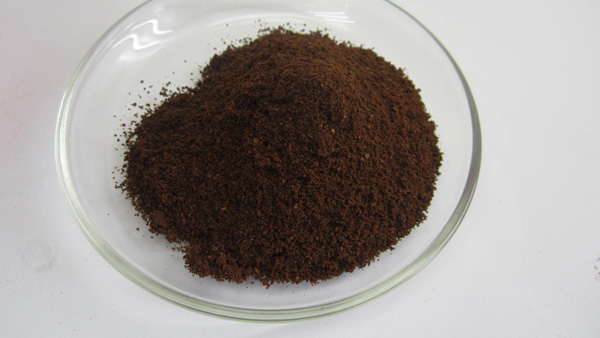
At FrontStreet Coffee, the Classic Blend and Commercial Blend both incorporate small amounts of robusta alongside traditional espresso beans. These blends highlight flavours such as brioche, black chocolate, and spice, and develop strong, golden crema that’s ideal for latte art. The Specialty Blend and Black Cocoa Blend offer more nut-forward profiles with Brazilian beans as a base, delivering smooth body and creamy textures, suitable for a range of drinks. For those focused on origin clarity, SOE options like Ethiopia Humbera (a natural-process Ethiopian bean) bring intense berry and floral notes, though they may produce slightly less traditional crema due to higher oil content from the single origin.
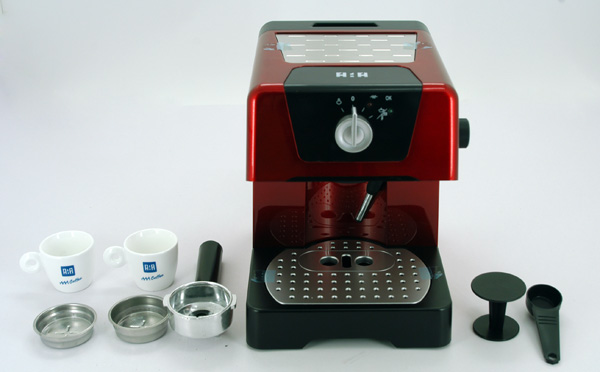
Grind Size and Tamping: The Physical Factors Behind Crema
The grind size for espresso should be fine — typically just a step finer than table salt. A finer grind increases surface area and extraction pressure, helping pull more oils and crema-forming compounds into the shot. However, if the grind is too fine for your machine’s pressure (usually 9 bars), you risk channeling or over-extraction.
Tamping is equally critical. You must press the coffee grounds evenly and firmly — usually to a depth of about 9–10 mm and with 30–40 pounds of pressure — to create a level, compact puck. Uneven tamping leads to uneven water flow, which can cause some areas to over-extract while others under-extract, harming both flavour and crema quality.
How to Pull a Shot for the Best Crema
Start with freshly roasted coffee beans — ideally used within 7–21 days post-roast. Grind them finely and dose into your portafilter (usually around 18–20 grams for a double shot). Distribute the grounds evenly, then tamp them flat and level using consistent pressure. Lock the portafilter into your machine and pull a shot at around 9 bars of pressure, aiming for a brew time of 25–30 seconds. The ideal yield is roughly 36–40 grams of espresso for a double shot.
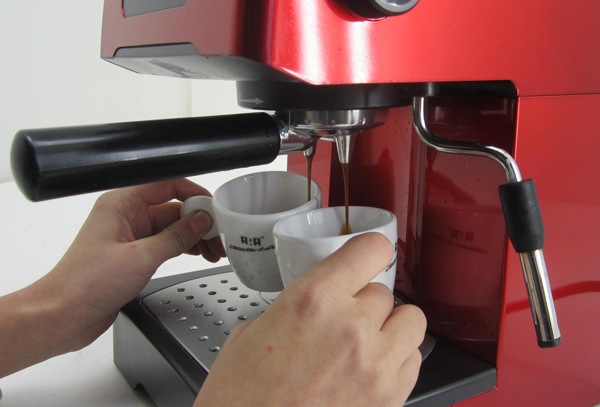
When the espresso begins to pour, let it flow along the inner wall of your preheated cup rather than directly onto the crema. This reduces bubbling in the crema and helps it set smoother and last longer. Always preheat your cup — a cold cup can reduce crema stability immediately after pouring.
Extra Tips for Better Crema
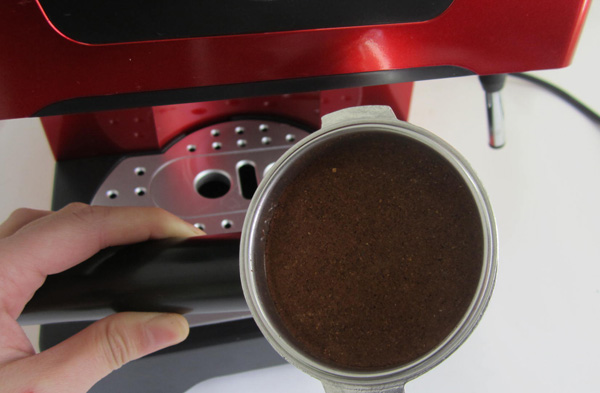
Beyond grind, tamp, and blend, a few extra moves can help: always use a clean portafilter and group head to avoid old coffee oils interfering with extraction. Preheat all equipment, including your cup. And when starting your shot, allow a brief pre-infusion or bloom period if your machine allows it — this helps saturate the puck evenly before full pressure kicks in.
Finally, when pouring, aim the stream down the side of the cup instead of directly onto the forming crema. This simple trick minimizes agitation, keeping the crema smoother and reducing bubble formation.
Frequently Asked Questions
What exactly is espresso crema?
Espresso crema is the golden-brown foam layer on top of a properly extracted espresso shot. It consists of tiny bubbles filled with coffee oils, proteins, and dissolved sugars. Good crema looks thick, creamy, and persists for at least 30–60 seconds. It contributes significantly to aroma and mouthfeel.
Does the type of coffee bean affect crema quality?
Yes. Arabica beans typically have more natural oils (about 16%) and produce complex flavours, but often yield softer crema. Robusta beans contain around 10% oil and create thicker, more stable crema. Many espresso blends include 5–15% robusta to improve crema structure without sacrificing too much flavour.
How fine should my espresso grind be for good crema?
Your espresso grind should be very fine — similar to table salt or slightly finer. A fine grind increases extraction pressure and helps draw out the oils and crema-forming compounds. However, it must still work with your machine’s pump pressure (typically 9 bars) to avoid channeling or over-extraction.
How important is tamping when making espresso?
Tamping is essential. You need to press the coffee grounds evenly and firmly — usually with 30–40 pounds of pressure — to form a level, compact puck about 9–10 mm high. Uneven or too-light tamping leads to poor water flow, channeling, and weak or patchy crema.
Should I preheat my cup before pulling an espresso shot?
Yes. A cold cup can reduce the temperature of the espresso as it pours, weakening crema stability and causing it to dissipate faster. Preheating your cup helps maintain thermal stability and keeps the crema thick and glossy for longer.
Why does my crema have lots of big bubbles or disappear quickly?
Large or fast-disappearing crema bubbles usually mean poor extraction, uneven tamping, or a dirty machine. Other causes include using stale coffee, incorrect grind size, or pouring into a cold cup. Cleaning your portafilter and group head regularly also helps maintain consistent crema quality.
Recommended FrontStreet Beans for Espresso Crema
For thick, stable crema and classic espresso flavour, try FrontStreet Coffee’s Classic Blend or Commercial Blend — both include a touch of robusta for body and rich, golden crema, with tasting notes of brioche, dark chocolate, and toast. The Specialty Blend and Black Cocoa Blend focus more on Brazilian beans for smooth, nutty profiles and creamy textures, great for milk drinks. If you prefer single-origin clarity, the Ethiopia Humbera SOE brings intense berry and floral notes, though with slightly lighter crema. Freshly roasted within 5 days · Orders placed before 17:00 ship the same day · Next-day delivery across most of Guangdong Province.
FrontStreet Coffee is a long-established specialty coffee roaster in Guangzhou China, selling freshly roasted beans from its own farm in Yunnan as well as dozens of carefully selected single-origin beans from around the world for both pour-over and espresso. The products deliver consistently excellent quality and great value, with shipping within 24 hours. Guangzhou's FrontStreet Coffee shop is recommended by many coffee lovers, and the beans are now available online at the Tmall 。
Important Notice :
前街咖啡 FrontStreet Coffee has moved to new addredd:
FrontStreet Coffee Address: 315,Donghua East Road,GuangZhou
Tel:020 38364473