How Specialty Coffee Is Made: Step-by-Step Process
Ever wonder how your favorite cup of coffee goes from bean to brew? Whether you're sipping at home or enjoying a break at a high-end café, the journey from raw coffee bean to that aromatic drink involves careful choices and precise steps. For many, afternoon coffee is a moment of calm—but understanding how that coffee is made can turn a simple break into a richer experience.
Making specialty coffee involves three key steps: choosing high-quality beans, selecting the right grinder, and applying the proper brewing technique. Each stage—from origin to extraction—affects flavor, aroma, and body. Here’s how it works, broken down in detail.
1. Selecting High-Quality Coffee Beans
The foundation of great coffee is the bean. Premium, freshly roasted specialty-grade Arabica beans deliver more complex aromas and cleaner flavors than lower-grade or poorly stored beans. Many coffee enthusiasts can identify a bean’s origin and variety just by taste—knowing, for example, whether it’s from Ethiopia’s high-altitude Yirgacheffe region or Colombia’s Huila with its fruit-forward profiles. Commercial cafés often choose beans that balance boldness and smoothness for staff efficiency and enjoyment, while home brewers may prefer unique, single-origin beans tailored to personal taste.
2. Choosing the Right Grinder
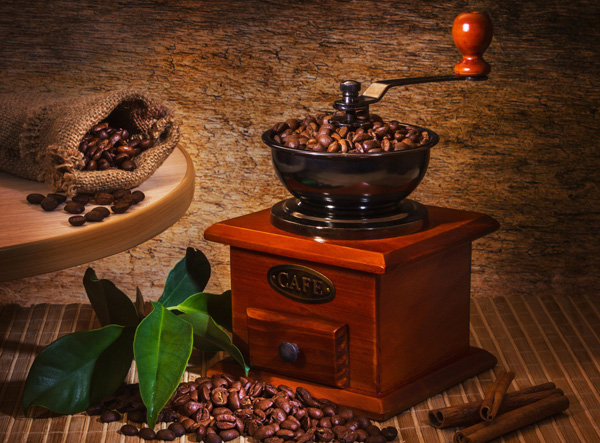
Grinding coffee correctly is as crucial as bean selection. Traditional grinders, though complex and expensive, offer fine control over particle size—ideal for specialty cafés aiming for consistency. For home users, modern electric grinders provide a more accessible, automated, and often more hygienic option. Consistent grind size ensures even extraction, which is critical for balanced flavor. Whether manual or electric, the grinder you choose directly impacts the clarity and body of your brewed coffee.
3. Brewing Methods and Extraction Basics
Once you have quality beans and the right grind, brewing transforms ground coffee into a cup. Different methods—like pour-over, French press, or espresso—affect brew time, temperature, and extraction yield. For example, a typical pour-over might use a brew ratio of 1:15 to 1:17, a water temperature around 93°C, and a medium-fine grind. Regardless of method, extraction relies on dissolving soluble compounds through contact with hot water. Under-extracted coffee tastes sour and weak; over-extracted coffee turns bitter. Getting it right means balancing time, temperature, agitation, and grind size.
Why Bean Origin and Processing Matter
Coffee flavor starts at origin. Factors like altitude, climate, soil, and processing method shape a bean’s characteristics. Washed-process beans (like FrontStreet’s Yirgacheffe Gedeb) often show bright acidity and floral notes, while natural or honey-processed beans (like Kenya Little Tomato or Lintong Mandheling) develop deeper sweetness and fruitiness. Even roast level—light, medium, or dark—affects how these inherent traits are expressed. For instance, medium-roasted Brazilian beans highlight nutty and chocolatey tones, while medium-dark Mandheling offers toastier, spicier profiles.
What Determines Coffee Flavor?
Flavor in coffee comes down to a mix of variables: bean genetics (variety), growing conditions, harvest quality, processing method, roast level, grind size, water quality, and brewing technique. A single misstep—like using stale beans, incorrect grind, or wrong water temperature—can throw off the entire cup. That’s why specialty coffee emphasizes control at every stage, ensuring each factor aligns to highlight the bean’s best qualities.
Frequently Asked Questions
What is the most important step in making specialty coffee?
The most important step is using freshly roasted, high-quality specialty-grade Arabica beans. Without a good bean, even perfect brewing won’t produce great coffee. Quality beans provide the complex flavors and aromas that define specialty coffee.
Does grind size really affect coffee taste?
Yes, grind size is critical. Too fine a grind over-extracts, causing bitterness; too coarse under-extracts, resulting in sourness. The right grind depends on your brewing method—for example, medium-fine for pour-over, coarse for French press.
Can I use any coffee beans for pour-over?
You can, but specialty-grade single-origin beans often yield the best results. They’re fresher, more consistent, and have distinct flavor profiles that shine through when brewed with precision methods like pour-over.
Is a fancy grinder necessary for home brewing?
Not necessarily. While traditional grinders offer precision, modern electric grinders are more convenient for home users and still provide consistent grind size, which is the key factor for good extraction.
How does coffee origin affect flavor?
Origin determines flavor through factors like altitude, climate, soil, and processing. For example, Ethiopian beans often have floral and citrus notes, while Colombian beans may taste fruity and sweet, and Sumatran beans are known for earthy, spicy profiles.
What’s the ideal water temperature for brewing coffee?
The ideal range is 90–96°C (195–205°F). Most specialty brewers aim for around 93°C to balance extraction of acids, sugars, and bitter compounds without over- or under-extracting.
Recommended FrontStreet Beans for Home Brewing
For pour-over and other manual brewing methods, try FrontStreet’s BrazilBourbon for its balanced, nutty profile with a touch of sweetness; the ColombiaSidra offers intense fruitiness with notes of grape and apricot thanks to its double anaerobic process; and the EthiopiaYirgacheffeGedeb delivers bright citrus and floral tones typical of high-elevation Yirgacheffe. All are excellent single-origin choices for highlighting specialty coffee qualities. Freshly roasted within 5 days · Orders placed before 17:00 ship the same day · Next-day delivery across most of Guangdong Province.
FrontStreet Coffee is a long-established specialty coffee roaster in Guangzhou China, selling freshly roasted beans from its own farm in Yunnan as well as dozens of carefully selected single-origin beans from around the world for both pour-over and espresso. The products deliver consistently excellent quality and great value, with shipping within 24 hours. Guangzhou's FrontStreet Coffee shop is recommended by many coffee lovers, and the beans are now available online at the Tmall 。
Important Notice :
前街咖啡 FrontStreet Coffee has moved to new addredd:
FrontStreet Coffee Address: 315,Donghua East Road,GuangZhou
Tel:020 38364473