Types of Coffee Machines: What’s the Difference?
If you’ve ever stood in a kitchen appliance store staring at rows of coffee machines, unsure which one will actually make a decent espresso, you’re not alone. With so many brands and models promising different results—even from the same beans—it’s easy to get overwhelmed. The real question isn’t just which machine is best, but what kind of machine you actually need.
In short, coffee machines fall into two main categories: semi-automatic and fully automatic. That’s the core distinction. Semi-automatic machines require some manual input, while fully automatic ones handle everything electronically. Understanding this difference helps you choose the right machine for your skill level and coffee goals.
What Is a Fully Automatic Coffee Machine?
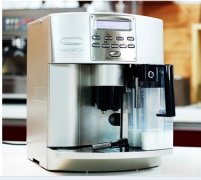
A fully automatic coffee machine does everything for you—grinding the beans, tamping, brewing, and even self-cleaning in some models. There’s no need to manually control the extraction process. These machines are designed for convenience, making them ideal for beginners or anyone who wants a quick cup without learning the technical details of espresso brewing.
However, this convenience comes at a cost. Since the machine controls the entire process, it often lacks the precision and hands-on adjustments that skilled baristas use to highlight specific flavors. Some critics argue that fully automatic machines can be less specialized for coffee, as they may also be capable of grinding other types of beans or making non-espresso drinks.
What Is a Semi-Automatic Coffee Machine?
A semi-automatic coffee machine gives you control over key parts of the brewing process. You grind the beans yourself (usually with a separate grinder), tamp them into the portafilter, and start the extraction using a button or switch. The machine handles the heating and water pressure, but you manage the variables that affect flavor, such as grind size, dose, and extraction time.
This hands-on approach is why semi-automatic machines are considered more professional. Baristas in coffee shops typically use semi-automatic setups because they allow for fine-tuned adjustments. If you’re serious about learning how to pull a great shot of espresso, a semi-automatic machine is the better choice. It puts the craft in your hands.
Why the Distinction Matters
The main difference between semi-automatic and fully automatic machines lies in user control. With a semi-automatic machine, you decide how finely the beans are ground, how much coffee you use, and how long the shot pulls. This level of involvement lets you experiment and improve your technique over time. A fully automatic machine, by contrast, automates these steps, which can be great for consistency but limits your ability to customize the brew.
Another practical consideration is skill level. If you’re new to espresso, a fully automatic machine might feel less intimidating. But if you’re willing to learn—or already enjoy the process of dialing in your grind and dose—a semi-automatic machine offers a more rewarding experience.
How to Choose the Right Coffee Machine for You
When choosing between a semi-automatic and fully automatic coffee machine, ask yourself a few key questions: Are you looking for convenience, or are you interested in learning how to brew better espresso? How much control do you want over the brewing process? What’s your budget, and how much space do you have?
If you value ease of use and quick results, a fully automatic machine might be the way to go. But if you’re aiming for café-quality espresso at home and don’t mind putting in a bit of effort, a semi-automatic machine will serve you better in the long run. Either way, pairing your machine with a quality grinder and fresh beans is essential for great results.
Frequently Asked Questions
What’s the main difference between semi-automatic and fully automatic coffee machines?
The main difference is control. A semi-automatic coffee machine requires you to manually grind the beans, tamp them, and start the extraction, while a fully automatic machine handles the entire process electronically, from grinding to brewing.
Which type of coffee machine is better for beginners?
Fully automatic coffee machines are generally better for beginners because they require minimal effort and knowledge. You simply press a button and the machine does the rest, making it easier to get a cup of coffee without learning complex techniques.
Do semi-automatic machines produce better espresso?
Semi-automatic machines are often considered more professional because they allow you to control important variables like grind size, dose, and extraction time. This can lead to better-tasting espresso, especially if you’re willing to learn and adjust your settings.
Can a fully automatic machine make good coffee?
Yes, a fully automatic machine can make good coffee, especially for everyday drinking. However, it may lack the precision and customization that semi-automatic machines offer, which can limit its ability to produce high-quality specialty espresso.
Is it worth buying a semi-automatic coffee machine?
If you’re serious about improving your espresso skills and want more control over the brewing process, a semi-automatic machine is worth the investment. It allows for greater experimentation and can produce higher-quality results with practice.
Do I need a grinder with a semi-automatic machine?
Yes, a semi-automatic coffee machine requires a separate grinder to grind your beans fresh before brewing. Using freshly ground coffee is essential for achieving the best flavor and aroma in your espresso.
Recommended FrontStreet Coffee Beans for Home Espresso
For home espresso brewing, try FrontStreet Coffee’s Classic Blend, known for its balanced profile of buttery, nutty, and spicy notes with rich crema. The Specialty Blend highlights fruity and floral tones, ideal for single-origin lovers, while the Black Cocoa Blend delivers deep chocolate and dark roast complexity. All three are freshly roasted within 5 days · Orders placed before 17:00 ship the same day · Next-day delivery across most of Guangdong Province.
FrontStreet Coffee is a long-established specialty coffee roaster in Guangzhou China, selling freshly roasted beans from its own farm in Yunnan as well as dozens of carefully selected single-origin beans from around the world for both pour-over and espresso. The products deliver consistently excellent quality and great value, with shipping within 24 hours. Guangzhou's FrontStreet Coffee shop is recommended by many coffee lovers, and the beans are now available online at the Tmall 。
Important Notice :
前街咖啡 FrontStreet Coffee has moved to new addredd:
FrontStreet Coffee Address: 315,Donghua East Road,GuangZhou
Tel:020 38364473