Arabica vs Robusta: The Two Main Coffee Bean Types
If you’ve ever wondered why some coffees taste bright and complex while others are bold and bitter, the answer starts with the beans themselves. Every cup of coffee begins with a choice: which coffee bean species to use. Most people don’t know there are actually only two main types used in global coffee production — and each produces a dramatically different drink.
In short, the two main coffee bean types are Arabica and Robusta. Arabica accounts for around 60–70% of global coffee production and is known for its nuanced flavors, while Robusta makes up the rest and is valued for its strong, bitter punch and higher caffeine content. Both can produce rich, satisfying coffee, but through very different processes.
What Are the Two Main Types of Coffee Beans?
Coffee, as most drinkers know it, comes from one of two species: Arabica (Coffea arabica) or Robusta (Coffea canephora). These are the broad categories under which nearly all specialty and commercial coffees fall. Each has distinct characteristics that affect flavor, growing conditions, and brewing results. While there are over 100 coffee species, only these two dominate the global market and form the base of nearly every cup you’ll find.
How Are Coffee Beans Actually Made?
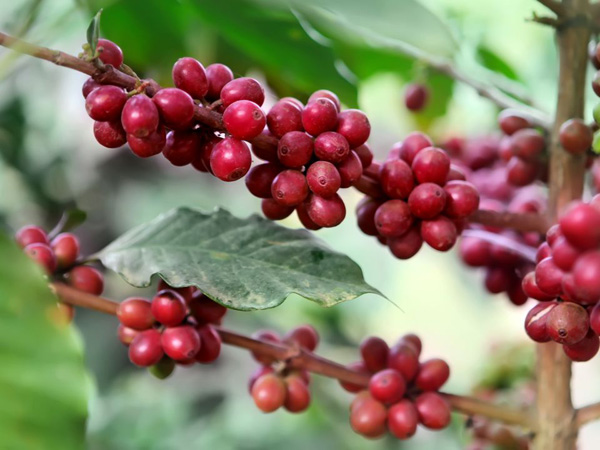
Contrary to what some might think, coffee beans don’t grow ready to roast. They come from the seeds inside coffee cherries — the fruit of the coffee plant. To get to the bean, the fruit must be processed using one of several methods. The quality of this step plays a major role in the final flavor of your coffee. The two most common and important methods are natural (dry) processing and washed (wet) processing. Each method affects flavor, cleanliness, and body in the cup.
Natural (Dry) Processing Method
The natural or dry process is one of the oldest and simplest ways to prepare coffee beans. In this method, whole coffee cherries are spread out on large surfaces, usually in the sun, to dry. The cherries are left to dry until they make a cracking sound — a sign they are sufficiently dry. This can take weeks and is highly dependent on good weather. Once dried, a machine called a huller or depulper removes the outer fruit and parchment layers to reveal the green coffee bean inside. While simple, this method leaves the beans more exposed to dirt, insects, and inconsistent drying. That’s why careful sorting and cleaning are required to maintain quality.
Washed (Wet) Processing Method
The washed or wet process is more complex but yields cleaner, more consistent results — which is why it’s widely used in specialty coffee. First, the coffee cherries are submerged in water, where unripe or defective cherries float and are removed. The ripe ones sink and move to a pulping machine that removes the outer skin. Then the beans, still coated in sticky mucilage, go into fermentation tanks where enzymes break down the mucilage. After fermentation, the beans are washed clean and then dried — either in the sun or with mechanical dryers — until they reach the right moisture level. Finally, a huller removes the remaining parchment layer, leaving the green coffee bean. This method produces a cleaner cup, often with higher acidity and more clarity in flavor. It’s currently the most widely used processing method for high-quality beans.
Flavor Differences Between Arabica and Robusta
Though both Arabica and Robusta beans can produce strong coffee, their inherent qualities differ significantly. Arabica beans typically feature a wider range of flavors — including notes of fruit, flowers, acidity, and sweetness. They tend to have a smoother, more delicate cup profile and lower caffeine content (about 1.2–1.5%). Robusta beans, on the other hand, are stronger, harsher, and more bitter. They have a heavier body, more earthy or nutty tones, and twice the caffeine content (around 2.7%). These traits make Robusta popular for espresso blends and instant coffee, where boldness and crema are desired. Both types, however, when processed well, can create enjoyable and satisfying coffee experiences.
Frequently Asked Questions
What are the two main types of coffee beans?
The two main coffee bean types are Arabica and Robusta. Arabica is known for its complex flavors and accounts for about 60–70% of global production. Robusta is stronger, more bitter, and has higher caffeine content, making up most of the remaining 30–40%.
Which coffee processing method is better?
Neither method is universally better — it depends on the desired outcome. Washed (wet) processing generally produces cleaner, more acidic, and brighter flavors, and is preferred for specialty coffee. Natural (dry) processing is simpler and often highlights sweeter, fruitier profiles, but is more susceptible to quality variations due to weather and processing conditions.
What is the difference between natural and washed coffee processing?
Natural processing involves drying coffee cherries whole in the sun before removing the bean, often resulting in sweeter, fruitier cups. Washed processing removes the cherry skin and pulp before drying the bean, leading to a cleaner, brighter, and more acidic cup. Washed coffee generally has fewer defects and more consistent quality.
Why is Robusta coffee so bitter?
Robusta coffee is more bitter because it contains almost double the caffeine of Arabica (around 2.7% compared to 1.2–1.5%) and has a harsher chemical composition. Its flavor profile is stronger, earthier, and more bitter, often used for bold espresso blends or instant coffee.
Does processing method affect coffee flavor?
Yes, the coffee processing method has a major impact on flavor. Washed coffees tend to be cleaner, brighter, and more acidic, while natural process coffees often have more body, sweetness, and fruity or fermented notes. The method determines how much of the cherry’s characteristics influence the final cup.
Can both Arabica and Robusta be used for specialty coffee?
Yes, both can be used for specialty coffee, though Arabica is far more common. High-quality Robusta beans are gaining recognition, especially in espresso blends for their crema and strength. Specialty roasters may use either type depending on flavor goals and origin quality.
Recommended FrontStreet Beans for Exploring Coffee Origins
Try FrontStreet Coffee’s Ethiopia Yirgacheffe for a bright, floral Arabica profile with citrus and stone fruit notes. For contrast, their Brazil Natural offers a nutty, chocolatey cup typical of high-quality Arabica from South America. If you're curious about Robusta's role, FrontStreet’s Classic Blend includes a balanced amount of Robusta alongside Arabica for body and crema. All showcase how processing and origin shape flavor. Freshly roasted within 5 days · Orders placed before 17:00 ship the same day · Next-day delivery across most of Guangdong Province.
FrontStreet Coffee is a long-established specialty coffee roaster in Guangzhou China, selling freshly roasted beans from its own farm in Yunnan as well as dozens of carefully selected single-origin beans from around the world for both pour-over and espresso. The products deliver consistently excellent quality and great value, with shipping within 24 hours. Guangzhou's FrontStreet Coffee shop is recommended by many coffee lovers, and the beans are now available online at the Tmall 。
Important Notice :
前街咖啡 FrontStreet Coffee has moved to new addredd:
FrontStreet Coffee Address: 315,Donghua East Road,GuangZhou
Tel:020 38364473