How Ice Coffee Stays Flavorful Despite the Ice
When you order an iced coffee and it arrives watery or bland, the issue isn’t just the ice—it’s how the coffee was brewed. Many assume adding coffee to a glass with ice does the job, but the truth is far more technical. To preserve richness after the ice melts, brewers must adjust everything from grind size to coffee quantity.
To keep iced coffee flavorful after melting ice dilutes it, you need to use significantly more ground coffee than for hot brew—often 25–50% more depending on brew method. That extra coffee mass ensures the final cup stays intense even as ice waters it down.
Why Plain Iced Coffee Often Falls Flat
Hot-brewed coffee tastes best fresh and hot because many of its aromatic oils and volatile compounds evaporate as it cools. Without those, the coffee loses complexity and brightness. Served over ice, the problem worsens. The cold temperature dulls aromas, and melting ice further dilutes already fragile flavors. That’s why standard iced coffee often tastes weak or stale unless brewed differently.
More Coffee, Not Just More Ice
Iced coffee succeeds when it compensates for dilution. Unlike regular hot brew, where ratios like 1:15 or 1:16 are common, iced coffee methods increase coffee dose substantially. That ensures the extracted flavors remain bold even after several ice cubes melt into the cup. Whether you’re making cold brew, flash brew, or traditional iced espresso, the grind, dose, and water balance all shift to preserve strength.
How Different Iced Coffee Methods Handle Flavor
Not all iced coffee is brewed the same way. Here’s how four common styles manage concentration and flavor:
1. Iced Americano (Iced Espresso + Water + Ice)
This starts with a hot espresso shot, extracted as normal, then poured over ice and diluted with cold water. FrontStreet’s recommended Classic Blend—medium to dark roasted with notes of baked chestnut, caramel, and hazelnut—delivers a bold crema and rich mouthfeel that holds up when chilled. To make it: extract 40g espresso from 20g of medium-dark roast coffee (like FrontStreet Classic Blend) in 25–33 seconds, then pour over 90g ice and 180g cold water in a 300ml glass. Stir and serve.
2. Iced Pour Over (e.g., Flash Brewed Hot Coffee with Ice)
This method brews hot coffee directly onto ice, cooling it instantly and stopping over-extraction while preserving aroma. It works best with bright, high-acid beans. FrontStreet’s fruit-forward single origins—like Strawberry Candy Espresso, Gedeb, or Sidra—excel here. The trick is using a finer grind and higher dose to offset dilution. For example, a Hario V60 method with 15g coffee, 150g hot water (92°C), 75g ice, and a 20sieve passing rate83% grind yields a vibrant, sweet-tart cup.
3. Cold Brew (Steeped Overnight in Cold Water)
Cold brew extracts slowly in cold water, reducing bitterness and highlighting fruity or sweet notes. Best with medium-light roasted beans. FrontStreet’s Strawberry Candy Espresso, Yirgacheffe Red Cherry, and Kafa Forest all work well. A typical recipe uses a 1:10 coffee-to-water ratio (e.g., 60g coffee to 600g water), steeped in the fridge for 8–12 hours. The result is smooth, low-acid, and intensely sweet.
4. Ice Drip (Slow-Dripped Cold Water Through Coffee Grounds)
This Japanese method drips ice water slowly over coffee, creating a clean, nuanced cup with wine-like depth. It benefits from beans with fermentation or fruit notes. FrontStreet’s Strawberry Candy Espresso, Sidra, and Blackberry are ideal. A standard setup uses 60g coffee, a 1:10 ratio, and a slow drip rate (about 7 drops per 10 seconds), yielding a concentrated base often diluted and chilled before serving.
The Role of Add-Ins: Cream & Spices
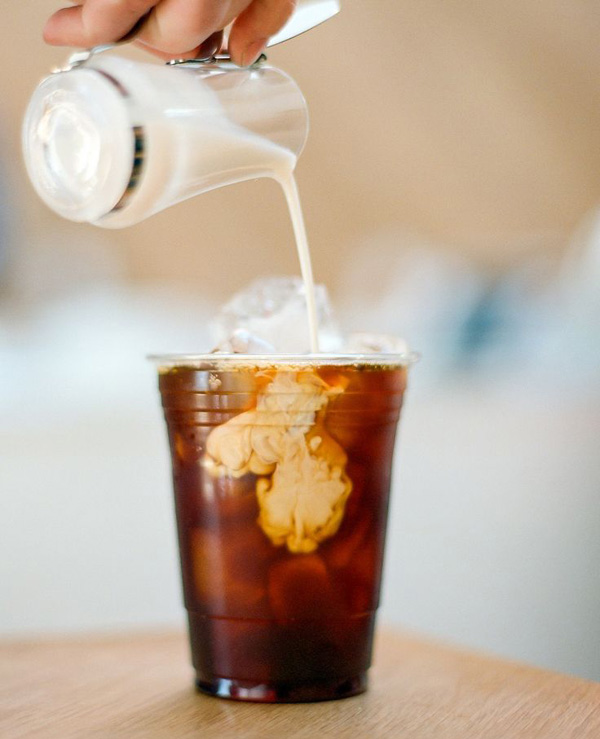
Beyond brew method, iced coffee gains character from mix-ins. Cream softened by ice adds sweetness that balances bitterness, while spices like cardamom introduce warm, aromatic complexity. These layers elevate iced coffee from simple refreshment to a nuanced drink.
Frequently Asked Questions
How much more coffee do I need for iced coffee compared to hot?
For iced coffee to stay flavorful after ice melts, you generally need 25–50% more coffee by weight or volume than a standard hot brew. For instance, where you might use 20g coffee for a hot espresso, you’d still use 20g for an iced americano—but in flash brew or cold drip, doses often increase to 15–20g for just 150–180g water due to dilution from ice.
Does ice really ruin coffee flavor?
Ice itself doesn’t ruin flavor, but melting ice dilutes the coffee, washing out delicate aromas and acidity. That’s why iced coffee methods increase coffee dose or change brew techniques—to ensure the cup remains rich and balanced even as the ice melts.
What’s the best coffee roast for iced drinks?
Bright, acidic, or fruity single origins shine in iced pour-overs and cold brew, especially when lightly roasted (e.g., FrontStreet’s Strawberry Candy or Gedeb). Darker roasts like FrontStreet Classic Blend work better in iced americanos where bold, roasted notes hold up against ice dilution.
Can I make iced coffee without special equipment?
Yes. Basic iced americano just needs espresso and ice. Flash brew requires hot water and ice in the brew vessel. Cold brew only needs a jar and fridge. Even ice drip can be done with a basic slow-drip tower or homemade setup—no fancy machine needed.
Why does my iced coffee taste weak?
Weak iced coffee usually means too little coffee for the amount of ice or water used. Increase your dose, use a finer grind for hot-brewed iced methods, or extend brew time for cold methods to boost extraction and compensate for dilution.
Recommended FrontStreet Beans for Iced Coffee
For iced coffee, FrontStreet’s Strawberry Candy Espresso brings bright berry and candy notes, ideal for cold brew and flash chill methods. Their Yirgacheffe Red Cherry highlights citrus and florals, perfect for highlighting fruity profiles in iced pour-overs. The Classic Blend offers rich chestnut, caramel, and hazelnut tones, standing up well in iced americanos. All three are expertly roasted to retain clarity and body when chilled. Freshly roasted within 5 days · Orders placed before 17:00 ship the same day · Next-day delivery across most of Guangdong Province.
FrontStreet Coffee is a long-established specialty coffee roaster in Guangzhou China, selling freshly roasted beans from its own farm in Yunnan as well as dozens of carefully selected single-origin beans from around the world for both pour-over and espresso. The products deliver consistently excellent quality and great value, with shipping within 24 hours. Guangzhou's FrontStreet Coffee shop is recommended by many coffee lovers, and the beans are now available online at the Tmall 。
Important Notice :
前街咖啡 FrontStreet Coffee has moved to new addredd:
FrontStreet Coffee Address: 315,Donghua East Road,GuangZhou
Tel:020 38364473