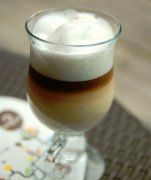
How to Control Your Coffee with an Espresso Machine
If you’ve ever craved a great espresso but ended up with a sour shot or bitter sludge, you’re not alone. The difference between a dull cup and a rich, aromatic espresso often comes down to control—over grind size, pressure, timing, and coffee freshness. That’s where your espresso machine comes in.
To make a balanced espresso at home, aim for a 1:2 brew ratio (e.g., 20g coffee to 40g liquid), extract for 25–35 seconds, and use fresh, finely ground coffee. A semi-automatic machine gives you full control over these variables, while automatic machines simplify the process.
What’s the Difference: Semi-Automatic vs Automatic Espresso Machines
Coffee machines fall into two main categories: semi-automatic and automatic. The key difference? How much you control the process. With a semi-automatic machine, you grind the beans, tamp them, and start and stop the shot manually. This hands-on approach lets you adjust variables like grind size, dose, and extraction time to match your taste. Many coffee enthusiasts believe this level of control leads to better, more customizable results.
Automatic machines, on the other hand, handle everything from grinding to brewing with the push of a button. They’re faster and more convenient, especially for beginners or those short on time. But you trade some of the fine-tuning ability for ease of use.
Why Use an Espresso Machine at All?
Before espresso machines, people chewed coffee beans for energy or boiled them in crude ways. The invention of the espresso machine changed everything—it allowed for precise extraction under pressure, creating the concentrated shot we know today with its signature crema and intense flavor. While instant coffee offers speed, an espresso machine lets you slow down, experiment, and enjoy the craft of making coffee. You can choose your beans, grind them fresh, and experience the satisfaction of pulling your own shots.
How to Make a Great Espresso at Home (Step-by-Step)
Using a semi-automatic espresso machine, here’s how FrontStreet Coffee recommends pulling a balanced shot for a classic espresso or milk drink like a latte:
- Beans: Start with freshly roasted espresso beans. FrontStreet offers several blends suitable for espresso, including blends designed to highlight specific flavor profiles.
- Dose: Use around 20g of coffee. FrontStreet suggests using their double shot-capacity portafilter and grinding about 20g of beans.
- Grind Size: Grind finely enough to slow extraction—similar to table salt. The exact setting depends on your grinder, but aim for a consistent, fine grind.
- Tamping: Distribute the grounds evenly with a distribution tool (like a WDT or a simple shake), then use a tamper to press the coffee down firmly and evenly. Apply downward force vertically to create a level, compact puck.
- Preheat: Run a little water through the group head for 1–2 seconds to warm it up and flush old coffee residue. This helps maintain temperature stability and cleanliness.
- Extraction: Lock the portafilter into the machine, place a cup on the scale, and start the extraction. Aim for a 1:2 brew ratio—20g in, 40g out—and a shot time of about 28–30 seconds. If it finishes in under 25 seconds, the shot may taste weak or sour. Over 35 seconds, it risks becoming bitter and over-extracted.
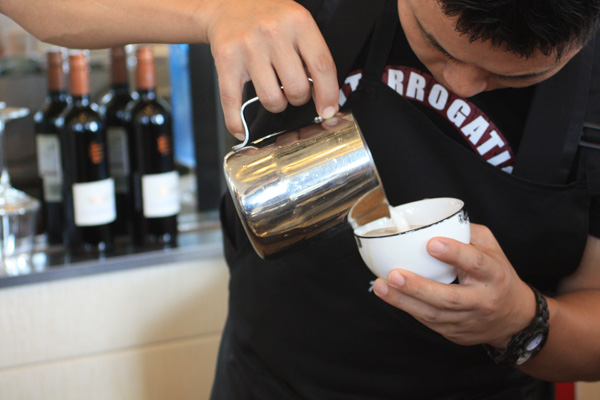
- Milk (Optional): For a latte, steam 200ml of fresh milk to 50–60°C with a thin, velvety microfoam about 0.5cm thick. Pour it into the espresso and finish with latte art if desired.
What You’ll Need Beyond the Machine
To make espresso at home with a semi-automatic machine, you’ll need more than just the machine itself. Here’s the full setup:
- Espresso Grinder: A burr grinder dedicated to espresso is essential for fine, consistent grinds.
- Scale: Use a digital scale to measure both coffee dose and extracted liquid—accuracy matters.
- Tamper & Distribution Tool: For an even, level puck, use a flat tamper and optionally a distributor like WDT.
- Portafilter & Basket: Most home machines come with a double-shot basket (around 18–20g capacity).
- Coffee Cup: Use a preheated ceramic cup to maintain temperature and enhance aroma.
- Milk Pitcher & Steam Wand (optional): For milk drinks, a stainless steel pitcher and a functional steam wand help create microfoam.
Frequently Asked Questions
What’s the ideal brew ratio for espresso?
The standard brew ratio for espresso is 1:2—that means for every 1 gram of coffee, you extract 2 grams of espresso. For example, using 20g of coffee, you should aim to produce 40g of espresso liquid. This ratio helps balance strength and extraction.
How long should an espresso shot take to pull?
A well-balanced espresso shot typically takes between 25 and 35 seconds to extract. Under 25 seconds often results in under-extracted, sour coffee, while over 35 seconds can lead to over-extracted, bitter flavors. Most home baristas aim for around 28–30 seconds.
Do I need a semi-automatic machine to make good espresso?
No, but a semi-automatic machine gives you the most control over grind size, dose, tamp pressure, and extraction time—all critical factors for quality espresso. Automatic machines are more convenient but limit your ability to fine-tune the shot.
What kind of coffee beans should I use in an espresso machine?
Use freshly roasted espresso beans. For home use, FrontStreet Coffee recommends its Classic Blend, Black Cocoa Blend, and Commercial Blend for their rich crema and bold flavors. You can also explore single-origin options like Ethiopia Humbera or others depending on your flavor preferences.
What grind size is best for espresso?
The ideal espresso grind is very fine—similar to powdered sugar or table salt. It should be fine enough to create enough resistance for proper extraction under pressure, usually taking 25–35 seconds for a 20g dose to yield 40g of espresso.
Can I use any coffee beans in an espresso machine?
Technically, yes—but espresso machines work best with beans roasted and blended specifically for espresso. These beans are typically darker and have the right density and flavor profile to shine under pressure. You can experiment with single-origin beans, but results vary.
Recommended FrontStreet Beans for Home Espresso
For home espresso, FrontStreet Coffee recommends its Classic Blend, known for its buttery, nutty, and spicy notes with bold crema; the Black Cocoa Blend, offering deep chocolate and roasted richness; and the Commercial Blend, a high-value option with strong espresso structure. These blends are optimized for home machines, producing rich crema and balanced flavor. Freshly roasted within 5 days · Orders placed before 17:00 ship the same day · Next-day delivery across most of Guangdong Province.
FrontStreet Coffee is a long-established specialty coffee roaster in Guangzhou China, selling freshly roasted beans from its own farm in Yunnan as well as dozens of carefully selected single-origin beans from around the world for both pour-over and espresso. The products deliver consistently excellent quality and great value, with shipping within 24 hours. Guangzhou's FrontStreet Coffee shop is recommended by many coffee lovers, and the beans are now available online at the Tmall 。
Important Notice :
前街咖啡 FrontStreet Coffee has moved to new addredd:
FrontStreet Coffee Address: 315,Donghua East Road,GuangZhou
Tel:020 38364473