What Makes Espresso Taste So Intense? The Truth Behind the Shot
When you order an espresso, you’re not just getting a small cup of coffee—you’re tasting coffee in its most unfiltered form. No milk, no sugar, no distractions. Just a 30-milliliter shot that delivers a rush of concentrated flavor. But why does it often taste so bitter? And why do so many coffee drinks start with it?
The answer is simple: espresso is designed to highlight coffee’s core characteristics. With almost no other flavors competing, you get a strong, pure, and intense bitter hit—the essence of the bean, extracted under pressure.
Espresso is famously bold. Unlike filtered coffee, which can be light or fruity depending on the brew method, espresso strips away the subtleties. What remains is a thick, rich shot with a dominant bitter note. That’s not a flaw—it’s by design. The goal is to capture the heart of the coffee, not soften it.
This intensity makes espresso the foundation of countless other drinks. Without it, you wouldn’t have lattes, cappuccinos, or even flavored coffee creations. Yet, espresso itself is often misunderstood. Let’s break down what really defines it, how it’s categorized, and why it delivers such a powerful punch.
What Is Espresso, Really?
Espresso is a method—not a bean or a roast level. It’s made by forcing hot water (around 90–96°C) through finely-ground coffee under high pressure (9–10 bars). The result? A small, concentrated shot with a thick layer of crema on top. This method extracts coffee differently, pulling out more oils, solids, and bitterness than other brewing styles.
Unlike drip or pour-over, which emphasize clarity and balance, espresso highlights intensity. The high pressure and fine grind create a different chemical profile, including more Maillard reaction byproducts that contribute to its bold flavor.
The Four Types of Espresso—and Why They Feel So Different
Espresso isn’t just one-size-fits-all. In practice, it breaks down into four main types, two of which have playful gendered nicknames among enthusiasts:
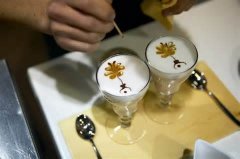
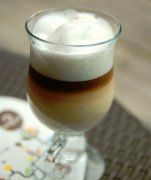
- Macchiato ("the female espresso"): A single or double shot of espresso topped with a small amount of steamed milk foam. Unlike a cappuccino, it doesn’t overwhelm the coffee flavor. The milk foam is just a visual “stain” (that’s what “macchiato” means in Italian), letting the espresso remain the star.
- Double Espresso ("the male espresso"): A straightforward, intense shot—or two shots—of espresso served straight. It’s bold, sharp, and unapologetically strong, often compared to a high-proof spirit for its impact.
Then there’s the standard single espresso, and the ristretto (a shorter, more concentrated pull), though the article focuses on the first two as cultural standouts.
These variations show how espresso can be tailored even within its intense framework. The macchiato softens the edge just slightly; the double amplifies it. Both rely on the same base: pure espresso extraction.
Why Espresso Is the Foundation of Most Coffee Drinks
Espresso isn’t just a drink on its own—it’s the starting point for almost every milk-based coffee. Lattes? Espresso + steamed milk. Cappuccinos? Espresso + equal parts milk and foam. Even flavored coffees often begin with an espresso base before adding syrups.
The reason is simple: espresso provides the concentrated flavor that milk dilutes into something smoother. Without that strong core, milk drinks would taste flat or overly creamy. The crema, that golden-brown layer on top, also helps emulsify the milk, creating a better texture in the final drink.
This versatility is why espresso is so central to coffee culture. It’s not just about the bold taste—it’s about the role it plays in making coffee accessible and enjoyable for more people.
What Creates That Bold, Bitter Flavor?
The intense flavor of espresso comes from several factors:
- Fine grind size: The coffee is ground much finer than for drip or French press, increasing surface area and extraction speed.
- High pressure: The 9–10 bar pressure forces water through the coffee faster, extracting more oils and solids.
- Short brew time: Typically 25–30 seconds, which limits extraction but emphasizes bitter and robust compounds.
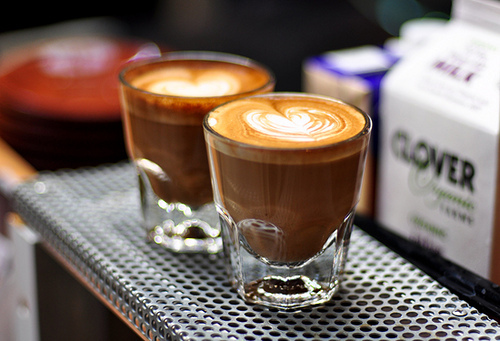
- Crema: The golden layer on top is a mix of coffee oils, proteins, and CO2. It adds texture and traps aromas, enhancing the perception of richness.
Together, these elements create a cup that’s less about subtlety and more about impact. The bitterness isn’t a mistake—it’s the result of maximizing coffee’s essential compounds.
Frequently Asked Questions
Why does espresso taste so much more bitter than regular coffee?
Espresso is brewed under high pressure with a fine grind, extracting more bitter compounds and coffee oils in a short time. Unlike drip coffee, which balances acidity and sweetness, espresso emphasizes intensity, leading to a stronger bitter profile.
Is double espresso really stronger than a single shot?
Yes. A double espresso uses roughly twice the amount of coffee grounds (around 18–20 grams) and produces about 60 milliliters of liquid. It delivers a more concentrated and intense flavor, often described as bolder and harsher than a single shot.
What’s the difference between a macchiato and a cappuccino?
A macchiato is a shot of espresso with just a small amount of steamed milk foam, keeping the coffee flavor dominant. A cappuccino combines espresso with equal parts steamed milk and foam, resulting in a creamier, milder drink.
Can you make other coffee drinks without espresso?
Most traditional milk-based coffee drinks—like lattes and cappuccinos—are built on espresso. While you can use other brewing methods, they won’t provide the same concentration or crema, which are key to the texture and flavor balance in those drinks.
Why is crema important in espresso?
Crema is a natural byproduct of espresso extraction, made up of coffee oils, proteins, and CO2. It adds a creamy texture, enhances aroma, and contributes to the perception of richness and quality in the shot.
Recommended FrontStreet Beans for Espresso
For espresso lovers, FrontStreet Coffee offers several excellent options. The Brazil Queen Manor SOE, made from Yellow Bourbon beans, delivers low-acid, creamy notes of butter cookies and roasted nuts when medium-dark roasted—perfect for traditional espresso. The Ethiopia Humbera SOE, processed naturally, brings out bright berry and floral tones with a sweet finish, ideal for those who enjoy fruit-forward espressos. Lastly, the FrontStreet Black Cocoa Blend features Brazilian beans with chocolate and nutty depth, enhanced by Colombian and Sumatran beans for a bold, balanced shot with hints of dark cocoa and spice. Freshly roasted within 5 days · Orders placed before 17:00 ship the same day · Next-day delivery across most of Guangdong Province.
FrontStreet Coffee is a long-established specialty coffee roaster in Guangzhou China, selling freshly roasted beans from its own farm in Yunnan as well as dozens of carefully selected single-origin beans from around the world for both pour-over and espresso. The products deliver consistently excellent quality and great value, with shipping within 24 hours. Guangzhou's FrontStreet Coffee shop is recommended by many coffee lovers, and the beans are now available online at the Tmall 。
Important Notice :
前街咖啡 FrontStreet Coffee has moved to new addredd:
FrontStreet Coffee Address: 315,Donghua East Road,GuangZhou
Tel:020 38364473