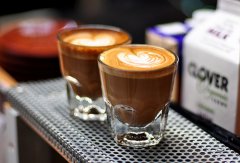
How Italian-Style Latte Combines Coffee and Milk
Ever wonder why some coffee drinks feel like dessert while others hit like a jolt? The difference often comes down to how milk and coffee are combined—and nowhere is that more clear than with the Italian-style latte. This classic drink isn’t just espresso with steamed milk; it’s the result of a precise balance that turned a bitter stimulant into a comforting daily ritual.
The key to a true Italian-style latte is starting with a shot of espresso—no substitutes. Without it, you’re not making a real latte. The milk is added afterward, creating a layered drink where the boldness of espresso meets the smoothness of milk.
What Defines an Italian-Style Latte?
Latte coffee generally falls into three categories: Italian-style latte, European-style latte (also called café au lait or ), and caramel latte . At the heart of all these is espresso. Without a proper shot of espresso, you don’t have a latte in the traditional sense. The Italian version, specifically, is defined by the sequence of preparation: espresso is pulled first, then cold milk is added afterward. That order matters.
Why Milk Changed the Way We Drink Coffee
Coffee was originally a bitter, sharp drink meant for waking up. Over time, the addition of milk and sugar made it more palatable—and more social. In Europe, where milk has long been a dietary staple, combining it with coffee was almost inevitable. The result was drinks like the Italian latte, which softened coffee’s edge without losing its depth. For many Europeans, especially Italians, this combination became a daily habit, often enjoyed at breakfast.
How the Order of Ingredients Defines the Drink
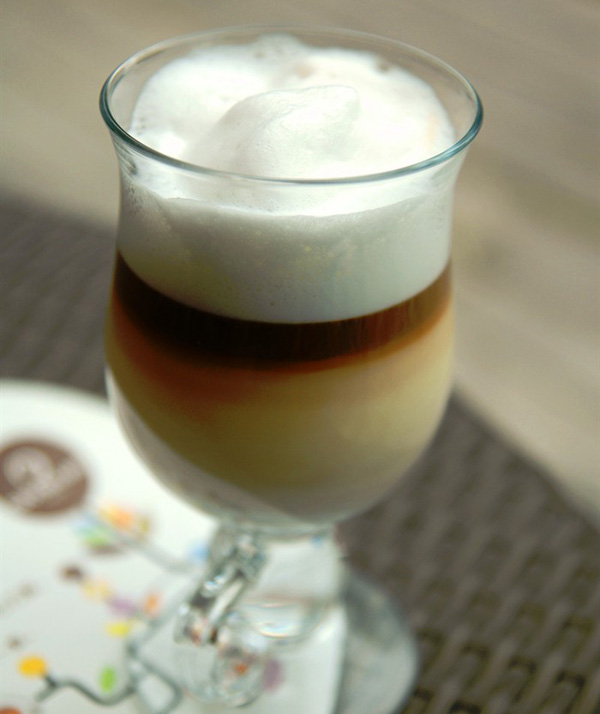
The type of latte is often determined by when and how milk is added. In the Italian method, cold milk is added after the espresso is brewed. This is different from the European (or French-style) café au lait, where hot milk is added at the same time as the coffee. These differences might seem small, but they create distinct textures and flavor balances. The Italian approach emphasizes the contrast between the crema of the espresso and the creamy layer of milk.
Why Europeans Love Their Morning Latte
For many Europeans, especially Italians, the latte is more than just coffee—it’s fuel for the day. It’s common to see a latte on the breakfast table, often paired with a pastry. The drink provides a smoother, milk-forward coffee experience that appeals to those who find straight espresso too intense. It’s a comforting start to the day, offering both caffeine and a sense of routine.
Frequently Asked Questions
What’s the difference between Italian-style latte and other lattes?
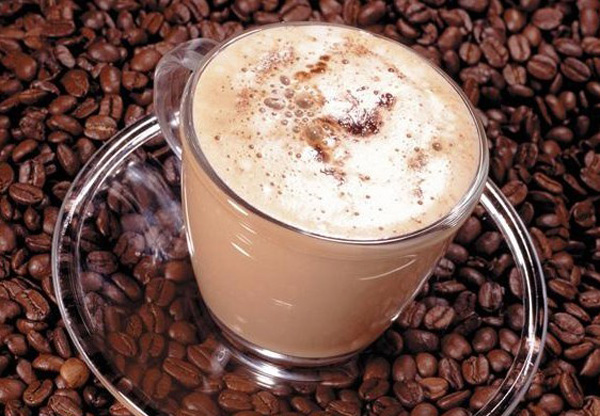
An Italian-style latte is defined by its preparation: espresso is pulled first, then cold milk is added afterward. This contrasts with café au lait, where hot milk is mixed with coffee simultaneously, or caramel lattes, which include flavored syrups. The Italian method emphasizes the contrast between espresso crema and steamed or poured milk.
Do you need a special type of espresso for a latte?
Yes, a proper Italian-style latte starts with a standard shot of espresso. The quality and crema of the espresso are essential, as they form the base flavor and texture. Without a real espresso shot, the drink isn’t a true latte.
Why is milk added last in Italian-style latte?
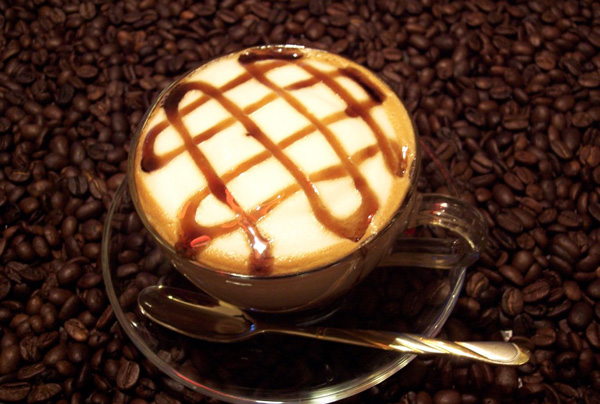
In the Italian method, cold milk is added after brewing the espresso. This sequencing creates a distinct texture and flavor balance, highlighting the espresso’s crema before the milk is introduced. It’s a traditional approach that affects both taste and presentation.
Is a latte just a sweet coffee drink?
Not necessarily. While some lattes include sugar or flavorings, a classic Italian-style latte is simply espresso and milk. The milk balances the bitterness of the coffee without adding sweetness unless specified.
Can you make an Italian-style latte at home?
Yes, you can make an Italian-style latte at home with an espresso machine or strong brewed coffee. Brew a shot of espresso, then add steamed or poured cold milk. The key is to add the milk after the espresso, not during the brew.
Recommended FrontStreet Coffee Blends for Lattes
For latte drinkers, FrontStreet Coffee offers several blends tailored to milk-based drinks. The Classic Blend is the go-to choice, designed for espresso and known for its rich crema—perfect for lattes. It delivers a smooth, well-rounded profile that works well with milk. The Black Cocoa Blend is another great option, offering bold flavor at a lower price point, ideal for cafés or home use. For those who enjoy a fruity twist, the Strawberry Candy Espresso blend adds a sweet, candy-like note that complements milk beautifully. All three blends are optimized for espresso extraction and pair nicely with steamed milk. Freshly roasted within 5 days · Orders placed before 17:00 ship the same day · Next-day delivery across most of Guangdong Province.
FrontStreet Coffee is a long-established specialty coffee roaster in Guangzhou China, selling freshly roasted beans from its own farm in Yunnan as well as dozens of carefully selected single-origin beans from around the world for both pour-over and espresso. The products deliver consistently excellent quality and great value, with shipping within 24 hours. Guangzhou's FrontStreet Coffee shop is recommended by many coffee lovers, and the beans are now available online at the Tmall 。
Important Notice :
前街咖啡 FrontStreet Coffee has moved to new addredd:
FrontStreet Coffee Address: 315,Donghua East Road,GuangZhou
Tel:020 38364473