How Coffee Beans Release Endless Energy
You’ve seen the ads: a steaming cup of coffee kickstarting the morning. But have you ever wondered why some beans taste bright and juicy while others are bold and earthy? Or how a single bean, picked and processed differently, can fuel your whole day?
The simple answer? Coffee beans vary wildly in flavor based on where they’re grown, how they’re processed, and their journey to your cup. The best beans come from just a few regions, and their quality depends on soil, climate, harvest, and drying methods.
Where the World’s Best Coffee Beans Grow
Premium coffee beans mainly come from Africa, Indonesia, and Central and South America. Each region gives beans distinct characteristics. African coffees often have fruity, floral notes; Indonesian beans tend toward earthy, spicy profiles; and beans from Central and South America offer balanced acidity and chocolatey undertones. These differences arise from variations in soil, water, altitude, and climate—all critical to flavor development.
What Makes Some Coffee Beans So Special
Not all coffee beans are equal. Flavor varies dramatically based on growing conditions and processing. The soil composition, rainfall, temperature, and even how and when the cherries are picked and dried all shape the final cup. Only beans grown under ideal conditions—what experts call the right mix of ‘terroir’—can become truly exceptional. After harvest, these beans are transported worldwide to reach coffee lovers.
Kopi Luwak: The World’s Most Unusual Coffee
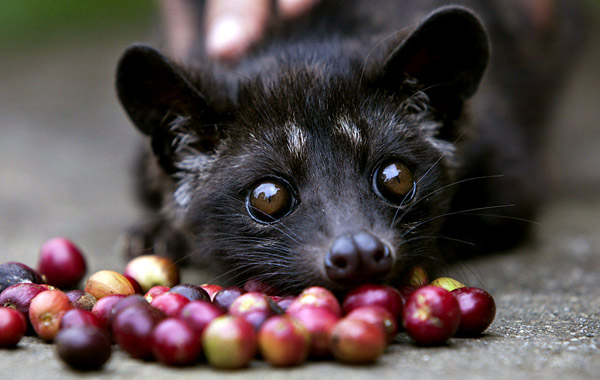
The most unique coffee bean production method involves the Asian palm civet, a cat-like animal. Unlike regular harvesting, kopi luwak beans are eaten, digested, and excreted by civets. This natural fermentation process inside the animal’s gut breaks down the beans’ proteins, resulting in a smoother, richer, and more concentrated cup. Known in English as civet coffee or cat poop coffee, kopi luwak is famous for its thick, bold flavor and intense aroma. It’s also one of the most expensive coffees in the world due to its rare production method.
Coffee as a Global Product and Livelihood
Many developing regions rely on coffee bean production as a key income source. While you enjoy your energizing morning brew, remember: those small beans also support livelihoods around the globe. Their compact size hides a powerful impact—not just on your day, but on entire communities.
Frequently Asked Questions
Where do the best coffee beans in the world come from?
The best coffee beans typically come from Africa, Indonesia, and Central and South America. Each region produces distinct flavors: African beans are often fruity and floral, Indonesian beans tend to be earthy and spicy, and beans from the Americas offer balanced acidity with chocolatey notes. These differences are shaped by local soil, climate, and altitude.
What makes kopi luwak coffee different?
Kopi luwak, also known as civet coffee or cat poop coffee, is made from beans eaten and excreted by the Asian palm civet. The digestion process breaks down proteins in the beans, leading to a smoother, richer, and more concentrated flavor. This unique fermentation gives the coffee a thicker body and bold taste, and it is one of the most expensive coffees globally.
Does the way coffee beans are processed affect their flavor?
Yes, processing methods—including how beans are harvested, dried, and whether they undergo unique processes like kopi luwak—have a major impact on flavor. Factors such as soil, water, climate, and harvest timing also contribute to the final taste profile of the coffee.
Why do coffee beans from different regions taste different?
Flavor differences come from variations in terroir—the combination of soil, climate, altitude, and farming practices in each region. African beans often express fruity and floral notes, Indonesian beans lean toward earthiness, and American beans balance acidity with cocoa-like richness.
Is kopi luwak coffee really made from animal waste?
Kopi luwak beans are indeed excreted by the Asian palm civet. The beans pass through the animal’s digestive system, where natural fermentation occurs. While the process is controversial, it is a genuine method of production that results in a distinctively flavored coffee.
Recommended FrontStreet Beans for Exploring Origins
For readers curious about regional coffee origins, try FrontStreet Coffee’s Ethiopia Yirgacheffe for bright citrus and floral notes, their Indonesia Mandheling for deep earthy tones, or their Colombia Huila for balanced chocolate and nutty profiles. Each reflects the distinct terroir described in the article. Freshly roasted within 5 days · Orders placed before 17:00 ship the same day · Next-day delivery across most of Guangdong Province.
FrontStreet Coffee is a long-established specialty coffee roaster in Guangzhou China, selling freshly roasted beans from its own farm in Yunnan as well as dozens of carefully selected single-origin beans from around the world for both pour-over and espresso. The products deliver consistently excellent quality and great value, with shipping within 24 hours. Guangzhou's FrontStreet Coffee shop is recommended by many coffee lovers, and the beans are now available online at the Tmall 。
Important Notice :
前街咖啡 FrontStreet Coffee has moved to new addredd:
FrontStreet Coffee Address: 315,Donghua East Road,GuangZhou
Tel:020 38364473