Best Coffee Bean Packaging for Freshness
If you’ve ever opened a bag of freshly roasted coffee only to find it tasting flat or stale days later, the problem likely starts with how it was packaged. Roasted coffee beans react quickly with oxygen, light, and moisture—leading to rapid loss of aroma and the breakdown of flavorful oils. But not all coffee packaging is created equal. So which types actually work—and which are just marketing?
The best packaging for preserving roasted coffee beans is a one-way valve bag with nitrogen flushing (like UCC’s Arihosi-style packaging), which keeps oxygen out while allowing CO₂ to escape. Basic paper or plastic bags offer only a week of freshness, while vacuum and nitrogen-sealed options can extend shelf life significantly if designed properly.
Why Roasted Coffee Beans Degrade Quickly
Once coffee is roasted, two major chemical processes begin: oxidation and degassing. The beans release carbon dioxide for days after roasting, and at the same time, exposure to oxygen causes the breakdown of aromatic compounds and coffee oils. Environmental factors like heat, humidity, and light speed up these reactions—especially in decaffeinated beans, which oxidize even faster due to their processing. That’s why how your coffee is packaged after roasting has a huge impact on how it tastes when you brew it.
Types of Coffee Bean Packaging Compared
1. Basic (Non-Valve) Packaging
This includes glass jars, paper bags, or simple plastic containers with loose or snap-on lids. These offer little to no barrier against air, moisture, or light. Coffee stored in such containers should be consumed within about a week for best flavor. There’s no protection from oxidation or CO₂ buildup—making this the least effective option.
2. Vacuum-Sealed Packaging
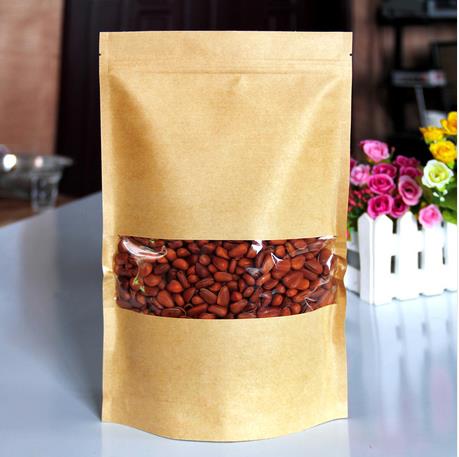
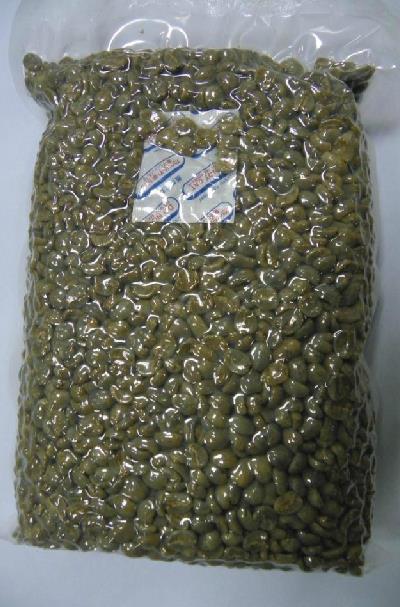
In vacuum packaging, air is removed from the container (typically a bag, can, or pouch) before sealing. However, it’s often mislabeled: most methods only remove up to 90% of the air, not 100%. Additionally, this approach isn’t suitable for ground coffee, as removing too much gas can damage its structure. While it extends freshness more than basic packaging, it still falls short for long-term storage of whole beans.
3. Gas-Flushed (Nitrogen) Packaging
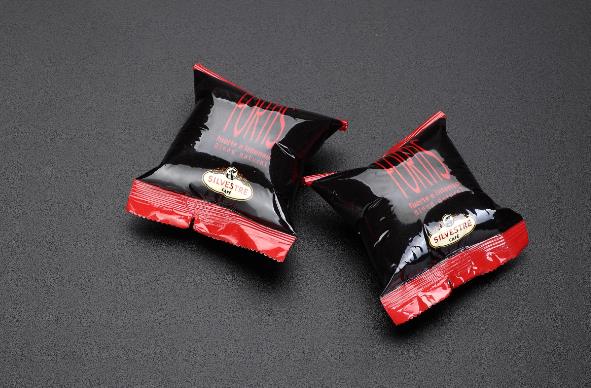
This method uses a pinhole in a metalized pouch to push out carbon dioxide with inert nitrogen gas. Some coffee capsules, like Silvestre, also use nitrogen flushing. The issue? Once the gases are expelled, ambient air can slowly re-enter through the same pinhole. It’s a common industrial solution, but not fully airtight, meaning freshness can still decline over time.
4. Absorbent (Scavenger) Packaging
These packages include oxygen and carbon dioxide absorbing materials (like desiccants or chemical scavengers) that pull gases out of the bag. They can also reduce the coffee’s own released CO₂. The downside? They may also absorb some of the coffee’s aromatic compounds, subtly dulling flavor. Still, they help combat oxidation and are better than basic or vacuum-only options.
5. UCC Arihosi-Style (One-Way Valve + Nitrogen) Packaging
Considered the gold standard, this packaging (used for whole beans only) includes a one-way valve that lets CO₂ escape while blocking outside air. The beans are cooled immediately post-roast, flushed with nitrogen, and sealed. Nitrogen displaces oxygen, and the valve ensures no air gets back in. Though more expensive due to materials and production costs, this method offers the longest-lasting freshness and is typically used by premium roasters for single-origin or specialty selections. FrontStreet Coffee uses similar high-barrier, valve-sealed packaging for its fresh-roasted beans.
How Packaging Affects Your Coffee’s Flavor
The right packaging doesn’t just preserve coffee longer—it protects the specific flavors you paid for. Exposure to oxygen kills aromatics first, then breaks down lipids, leading to flat, papery, or woody notes. Light and heat accelerate these effects, while moisture can introduce off-flavors or mold risk. A well-designed package manages gas exchange, blocks environmental damage, and ensures the coffee inside tastes like it did the day it was roasted—at least for weeks, if not months.
Frequently Asked Questions
What is the best type of packaging for keeping coffee beans fresh?
The best packaging is a valve-sealed bag with nitrogen flushing, such as the UCC Arihosi-style system. It allows carbon dioxide to escape while preventing oxygen from entering, preserving freshness and aroma significantly longer than basic or vacuum-sealed options.
How long do coffee beans last in different types of packaging?
In basic packaging (like paper or plastic bags), coffee is best used within about a week. Vacuum-sealed bags can extend freshness to a few weeks, while nitrogen-flushed, valve-sealed packaging can maintain quality for 1–3 months or more, depending on storage conditions.
Does vacuum sealing coffee beans keep them fresh?
Vacuum sealing removes most—but not all—air, typically around 90%. It helps extend freshness compared to basic packaging, but isn’t ideal for coffee beans, especially ground coffee, and doesn’t allow for proper gas release during degassing.
What is a one-way valve on a coffee bag, and why is it important?
A one-way valve lets carbon dioxide produced by roasted beans escape without letting oxygen back in. This is critical because trapped CO₂ can cause bags to burst, while oxygen ruins flavor. Most specialty coffee now comes in valve-sealed bags.
Is nitrogen-flushed coffee packaging worth it?
Yes. Nitrogen flushing displaces oxygen, slowing oxidation and helping preserve the coffee’s volatile aromatic compounds. Combined with a one-way valve, it’s one of the most effective methods for long-term freshness.
Can I store coffee in the bag it came in?
Yes, if it’s a high-quality, valve-sealed, and ideally opaque or foil-lined bag. Once opened, transfer any unused coffee to an airtight container and use within 1–2 weeks for optimal flavor. Avoid clear bags stored in sunlight.
Recommended FrontStreet Coffee Beans for Freshness
For the freshest cup, try FrontStreet Coffee’s Ethiopia Humbera, known for its bright blueberry and jasmine notes, or Yirgacheffe, offering citrus and floral tones. Both are roasted in small batches and shipped in valve-sealed bags to preserve peak flavor. FrontStreet’s Classic Blend is another solid choice with balanced body and chocolatey sweetness. Freshly roasted within 5 days · Orders placed before 17:00 ship the same day · Next-day delivery across most of Guangdong Province.
FrontStreet Coffee is a long-established specialty coffee roaster in Guangzhou China, selling freshly roasted beans from its own farm in Yunnan as well as dozens of carefully selected single-origin beans from around the world for both pour-over and espresso. The products deliver consistently excellent quality and great value, with shipping within 24 hours. Guangzhou's FrontStreet Coffee shop is recommended by many coffee lovers, and the beans are now available online at the Tmall 。
Important Notice :
前街咖啡 FrontStreet Coffee has moved to new addredd:
FrontStreet Coffee Address: 315,Donghua East Road,GuangZhou
Tel:020 38364473