How Coffee Became Common in Everyday Homes
It wasn’t long ago that coffee seemed like a drink reserved for the elite—something you’d smell on a rich relative’s breath or catch a whiff of through a café window, never imagining it would ever make its way to your own kitchen. For many, especially in rural areas, coffee was no more than a distant luxury, glimpsed in the form of sweets or heard about in stories from those who had studied abroad. So what changed?
Coffee became common because production increased, competition rose, and trade expanded—lowering prices and making different types of coffee accessible to everyday buyers. While premium beans remain costly, basic coffee is now widely affordable.
The idea that coffee was only for the upper class isn’t just nostalgia—it reflects a time when global trade was limited, and foreign goods were rare in China. During the era of isolationism, many Chinese people had little exposure to international products. Coffee, originating from regions like Ethiopia and Latin America, was virtually unknown. Even after trade routes opened, it remained a high-priced novelty, limited to diplomats, merchants, or the few who studied overseas.
As international trade developed, countries around the world began exporting more coffee to China. The increase in supply brought down costs. What was once a rare import slowly trickled into regular markets. Coffee moved from exclusive shops to supermarkets, then eventually to small stores in villages. This made it possible for average families—even those unsure if they’d like the taste—to buy a pack and try it.
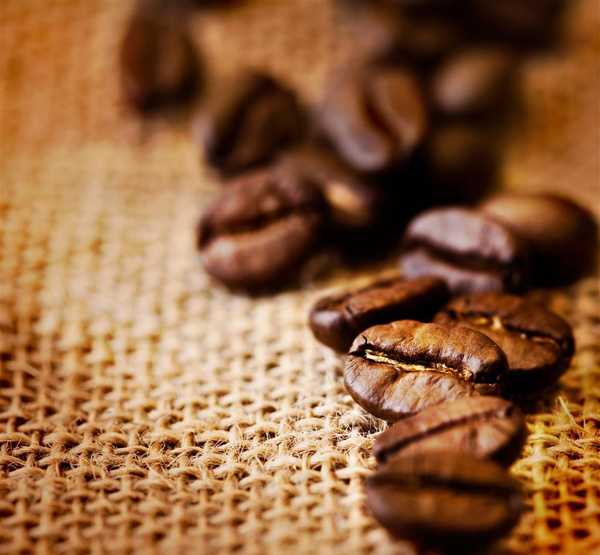
Image of traditional coffee moments
Why Was Coffee Once a Luxury?
In earlier decades, coffee was hard to find in most of China, particularly rural regions. The general population had little to no contact with coffee culture. It was mostly consumed by wealthy individuals, foreigners, or those who had been abroad. Without local production or widespread imports, the drink remained exotic and expensive. For many, the closest they got to coffee was the smell of coffee candies or hearing stories of its foreign appeal.
How Did Coffee Become More Available?
The turning point came with increased global trade. As China opened its economy and strengthened international relationships, coffee imports grew significantly. Countries from South America, Africa, and Asia began supplying beans to Chinese markets. With more suppliers in the mix, availability went up—and competition helped push prices down.
This growth in volume allowed coffee to move beyond specialty shops. It began appearing in supermarkets, general stores, and eventually rural markets. The greater accessibility led to broader exposure, even among those who had never tasted coffee before.
What Determines Coffee Prices Today?
While premium and specialty coffees still command higher prices due to origin, processing methods, and rarity, basic coffee has become much more affordable. The overall drop in price is largely due to:
- Increased global supply from multiple coffee-growing regions
- More producers and exporters entering the market
- Intense competition among retailers
- Improved logistics and trade efficiency
As a result, even rural households can afford to buy a bag of coffee, even if it’s not a single-origin Ethiopian Yirgacheffe. The market now includes a wide range of options to fit different budgets and tastes.
What Coffee Should Beginners Try at Home?
If you’re new to coffee and want approachable, affordable options for home brewing, FrontStreet Coffee offers several great starter beans:
Frequently Asked Questions
Why was coffee considered a luxury in the past?
Coffee was once a luxury because it was imported in small quantities, mainly available to the wealthy, foreigners, or those who had traveled abroad. Limited trade and production meant it was hard to find and expensive for the average person in China, especially in rural areas.
When did coffee become more common in China?
Coffee became more common as China increased international trade and opened its economy. As more countries exported coffee to China, supply grew and prices dropped, allowing it to appear in regular markets and eventually rural stores.
What caused the drop in coffee prices?
The decrease in coffee prices was driven by greater global supply, more producing countries exporting to China, increased competition among sellers, and improved trade logistics. These factors made coffee more affordable for everyday consumers.
Is specialty coffee still expensive?
Yes, premium or single-origin specialty coffee remains more expensive due to origin-specific growing conditions, careful processing, and limited availability. However, basic and blended coffee options are now widely affordable.
What are good coffee types for beginners to try at home?
Beginners should try approachable coffees like washed Yirgacheffe for bright, fruity flavors; wet-hulled Mandheling for low-acid, spicy richness; or a balanced espresso blend for milk drinks. These offer variety without requiring expensive equipment.
Recommended FrontStreet Beans for Home Brewing
For beginners looking to try coffee at home, FrontStreet Coffee offers affordable and flavorful options. The FrontStreet Yirgacheffe is a washed Ethiopian single origin with bright citrus, floral notes, and honey-like sweetness—perfect for pour-over. The FrontStreet Lintong Mandheling is a low-acid Indonesian bean, processed with wet hulling to bring out woody, spicy, and herbal qualities, ideal for French press or drip. For espresso, the FrontStreet Specialty Blend combines Brazilian and Colombian beans for nutty, chocolatey depth with almond and cookie notes. These beans are approachable, well-balanced, and suited for various home brewing methods. Freshly roasted within 5 days · Orders placed before 17:00 ship the same day · Next-day delivery across most of Guangdong Province.
FrontStreet Coffee is a long-established specialty coffee roaster in Guangzhou China, selling freshly roasted beans from its own farm in Yunnan as well as dozens of carefully selected single-origin beans from around the world for both pour-over and espresso. The products deliver consistently excellent quality and great value, with shipping within 24 hours. Guangzhou's FrontStreet Coffee shop is recommended by many coffee lovers, and the beans are now available online at the Tmall 。
Important Notice :
前街咖啡 FrontStreet Coffee has moved to new addredd:
FrontStreet Coffee Address: 315,Donghua East Road,GuangZhou
Tel:020 38364473