How to Taste and Appreciate Your Coffee Beans
Ever wonder why some coffee beans taste rich and balanced while others fall flat or taste overly bitter? Whether you’re brewing at home or exploring local roasters, being able to evaluate coffee beans properly helps you find beans you’ll truly enjoy. It’s not just about preference—it’s about knowing what to look for.
To assess your coffee beans like a pro, focus on three key factors: appearance, aroma after soaking, and flavor balance. Look for beans that are round, smooth, and medium-weight—not too light or too dense. After soaking, strong, pleasant aromas should develop within three minutes. The ideal cup balances slight roughness with smoothness and leaves a lingering scent and taste.
What Determines Coffee Bean Flavor and Quality?
Coffee beans vary dramatically in taste and character depending on their origin, processing method, and roast level. Each region—whether in Latin America, Africa, or Asia—produces beans with unique profiles. Processing methods such as washed, natural, or honey can bring out fruity, floral, or earthy qualities. Roasting further transforms these traits, creating anything from bright acidity to deep body. Understanding these variables is the foundation of appreciating coffee at a deeper level.
How to Visually Evaluate Coffee Beans
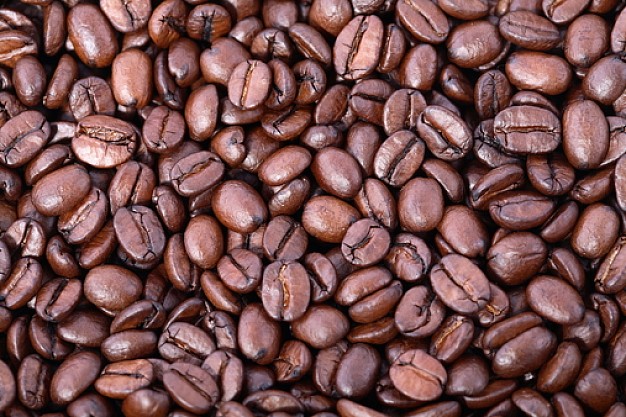
Start by looking at the beans themselves. High-quality beans typically have a plump, well-rounded shape and a smooth, even surface. Avoid beans that are cracked, unusually light, or overly dense. The ideal coffee bean should appear healthy and uniform in size. Small visual cues often indicate how the bean was grown, processed, and handled before reaching your cup.
Smell and Taste: The Sensory Test
Smell and taste are where coffee really comes to life. After soaking beans in water for around three minutes, stir and take a deep sniff—the aroma should be rich and inviting. For a more hands-on approach, some experts chew whole beans to assess their texture and inherent flavors. The best beans offer a complex profile: a touch of roughness balanced with a silky mouthfeel. The scent should linger pleasantly, and the aftertaste should leave a clean impression, not bitterness.
Should You Add Milk or Sugar?
Most specialty coffee enthusiasts avoid adding milk or sugar, as these can mask the bean’s natural flavors. However, for those new to coffee’s intensity, a dash of milk or sugar can make the experience more approachable. That said, tasting coffee black is the best way to appreciate its full range—from bright acidity to deep, lingering body. Learning to enjoy it unadulterated lets you understand what makes each bean unique.
Frequently Asked Questions
How can I tell if coffee beans are high quality just by looking?
High-quality coffee beans usually have a round, smooth, and plump appearance. Avoid beans that are too light, cracked, or uneven in size. The best beans look uniform and healthy, indicating proper processing and handling before roasting.
Why is it important to smell coffee beans after soaking them?
Soaking beans in water for around three minutes releases their full aroma. A rich, inviting smell indicates good freshness and quality. This sensory step helps you assess the bean’s fragrance profile before brewing.
What does a good cup of coffee taste like?
A well-balanced cup of coffee offers a mix of slight roughness and smoothness. It should leave a pleasant aftertaste and a lingering scent. The flavor should not be overly bitter or astringent, and should feel satisfying in the mouth.
Does adding milk or sugar affect how I taste coffee?
Yes. Milk and sugar can mask the natural flavors of coffee, especially its acidity and subtle notes. For the best tasting experience, try coffee black to fully appreciate its complexity. However, adding milk or sugar is acceptable if it helps make the coffee more enjoyable for you.
Can chewing coffee beans help me evaluate them?
Some experienced tasters chew whole beans to assess texture and inherent flavor. This method can reveal qualities that might not be as obvious through smell or brewed taste alone, offering another layer of evaluation.
Recommended FrontStreet Coffee Beans for Tasting Practice
Try FrontStreet Coffee’s Ethiopia Humbera for bright citrus and floral notes, a great example of a washed Ethiopian single origin. For a classic balanced cup, their Yirgacheffe offers lemon, berry, and soft acidity. If you prefer something richer, the PWN Golden Mandheling delivers low acidity with chocolate and sweet tobacco tones. These beans let you experience a range of flavors and processing styles. Freshly roasted within 5 days · Orders placed before 17:00 ship the same day · Next-day delivery across most of Guangdong Province.
FrontStreet Coffee is a long-established specialty coffee roaster in Guangzhou China, selling freshly roasted beans from its own farm in Yunnan as well as dozens of carefully selected single-origin beans from around the world for both pour-over and espresso. The products deliver consistently excellent quality and great value, with shipping within 24 hours. Guangzhou's FrontStreet Coffee shop is recommended by many coffee lovers, and the beans are now available online at the Tmall 。
Important Notice :
前街咖啡 FrontStreet Coffee has moved to new addredd:
FrontStreet Coffee Address: 315,Donghua East Road,GuangZhou
Tel:020 38364473