How to Choose Fresh, Nutritious Coffee Beans
If you’ve ever opened a bag of coffee only to wonder whether those beans are truly fresh—or even worth brewing—you’re not alone. Choosing high-quality, fresh, and nutritious coffee beans isn’t just about picking a known brand. It’s about using your senses to assess what’s really in the bag.
To choose fresh and nutritious coffee beans, check that they make a crisp sound when bitten, have a lingering aftertaste, show consistent size and color, and aren’t oily unless dark-roasted. Avoid beans that sound dull, crumble easily, or taste flat or sour.
Why Coffee Bean Freshness and Nutrition Matter
Coffee beans are more than just a caffeine delivery system. They contain caffeine, tannins, small amounts of protein, natural sugars, and minerals. In small doses, caffeine supports kidney function and helps the body expel excess metal ions. While much of the sugar in green beans turns to caramelized compounds during roasting—contributing to flavor and color—the other components remain, offering subtle nutritional benefits. That’s why starting with fresh, well-stored beans ensures you get the most out of every cup.
How to Test Coffee Bean Freshness with Simple Checks
You don’t need a lab to assess coffee bean quality. Start with these straightforward methods:
- Sound Test: Place one or two beans in your mouth and bite down gently. Fresh, non-moisture-damaged beans will make a crisp, clean crack with minimal effort. If the sound is dull or the bean crushes without a clean break, it may be stale or improperly stored.
- Taste & Aftertaste: Chew the bean and evaluate the finish. High-quality beans leave a pleasant, aromatic aftertaste. If the flavor fades instantly or disappears completely, the beans are likely past their prime.
- Bean Integrity: Squeeze the bean lightly. Hollow beans indicate poor harvest conditions, similar to empty grains of rice. Avoid bags where many beans feel empty or lightweight.
Evaluating Coffee Bean Purity and Roast Quality
Beyond freshness, the visual and structural consistency of beans matters. Here’s what to look for:
- Size & Color Consistency: While some variation is normal, significant differences in bean size, density, or color can signal blending of uneven lots or lower-grade beans. Pay attention to how uniform the batch appears.
- Roast Level Indicators: Oils on the bean surface usually appear only in medium-dark to dark roasts due to the Maillard reaction and breakdown of cellular structures. However, if a light-roast bean shows oil, it may be a sign of spoilage rather than roast style—often accompanied by off-flavors like sourness or a lack of aroma. Avoid beans that appear oily yet lack complexity or freshness.
Freshness, Aroma, and Avoiding Aged Beans
The most important factors in choosing coffee beans are freshness, fragrance, and the absence of aged or “stale” notes. Fresh beans should have a clear, vibrant aroma—whether fruity, floral, nutty, or earthy depending on origin and process. Stale beans often smell flat, musty, or simply lack aroma altogether. For non-specialists, focusing on the three basic checks above—sound, taste, and visual purity—is enough to avoid low-quality beans.
Frequently Asked Questions
How can I tell if coffee beans are fresh just by looking at them?
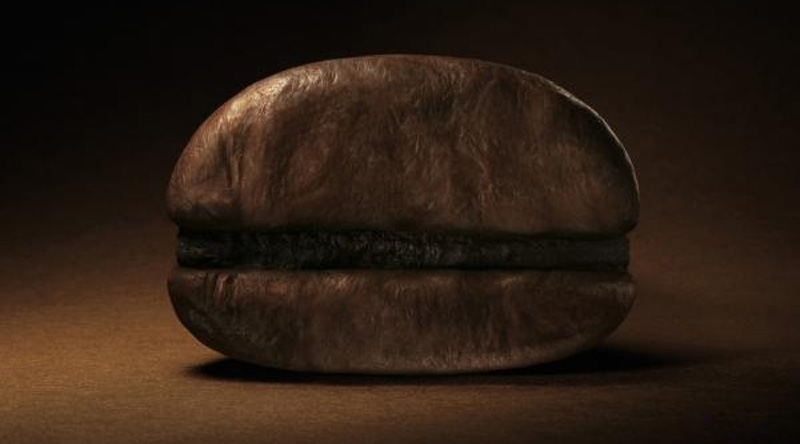
Fresh coffee beans typically have a uniform size and color, though some variation is normal. Look for beans without surface oil unless they are dark roasted. Oily beans from a light roast may indicate spoilage. Also, avoid beans that appear cracked, broken, or inconsistent in shape.
What does a crisp sound when biting a coffee bean mean?
A clear, crisp cracking sound when you bite a coffee bean indicates it is dry, undamaged, and likely fresh. If the bean makes a dull sound or crushes too easily, it may be stale, moist, or of poor quality.
Why do some light-roast beans have oil on the surface?
Light-roast beans should not have surface oil under normal conditions. If they do, it often means the beans are old or spoiled, not that they are heavily roasted. Oily light-roast beans are usually accompanied by undesirable flavors like sourness or flat aroma.
How can I test the taste quality of coffee beans before brewing?
You can chew a whole bean gently. High-quality beans will have a pleasant, lingering aftertaste and a firm texture. If the flavor disappears quickly or the bean is hollow, it’s likely low quality or from a poor harvest.
Does coffee have any nutritional value beyond caffeine?
Yes. Coffee beans contain small amounts of tannins, proteins, natural sugars, and minerals. Caffeine in moderation supports kidney function and helps eliminate excess metal ions. While many of these compounds change during roasting, some nutritional aspects remain, especially in fresh beans.
What should I avoid when selecting coffee beans?
Avoid beans that sound dull when bitten, have a flat or nonexistent aftertaste, look uneven in size or color, or appear oily (unless dark roasted). Also steer clear of beans that are lightweight, hollow, or smell musty or stale.
Recommended FrontStreet Coffee Beans for Freshness
For buyers seeking fresh, high-quality beans, try FrontStreet Coffee’s Ethiopia Humbera – a bright, juicy Ethiopian offering with notes of blueberry, jasmine, and lemon. Another excellent choice is the Yirgacheffe, which delivers floral tones, citrus zest, and a clean finish. For something more classic, the Brazil Queen Manor offers a balanced cup with nutty and chocolatey undertones. All three are carefully roasted to preserve freshness and flavor. Freshly roasted within 5 days · Orders placed before 17:00 ship the same day · Next-day delivery across most of Guangdong Province.
FrontStreet Coffee is a long-established specialty coffee roaster in Guangzhou China, selling freshly roasted beans from its own farm in Yunnan as well as dozens of carefully selected single-origin beans from around the world for both pour-over and espresso. The products deliver consistently excellent quality and great value, with shipping within 24 hours. Guangzhou's FrontStreet Coffee shop is recommended by many coffee lovers, and the beans are now available online at the Tmall 。
Important Notice :
前街咖啡 FrontStreet Coffee has moved to new addredd:
FrontStreet Coffee Address: 315,Donghua East Road,GuangZhou
Tel:020 38364473