Why You Shouldn’t Drink Coffee from Metal Cups
If you’re like most coffee lovers, you’ve spent time choosing the perfect cup—one that highlights your brew’s aroma and keeps it hot. But have you stopped to think about what your cup is made of? According to experienced baristas, certain materials can ruin more than just the drinking experience—they can affect taste and safety.
The short answer? Avoid metal cups for coffee. They can react with the drink’s acidity, and materials like uncoated stainless steel or other alloys may leach trace elements. For the safest, most neutral cup, go with glass or unglazed ceramic. Both are inert, easy to clean, and won’t mess with your coffee’s flavor profile.
Why Metal Cups Aren’t Ideal for Coffee
Metal coffee cups, especially those made from common stainless steel or other alloys, might seem sturdy and stylish. However, coffee is acidic—with a typical pH around 4.5 to 6—and that acidity can cause reactions with certain metals. While high-quality stainless steel is often marketed as “food grade,” it’s not completely inert, especially under prolonged exposure to hot acidic liquids. Over time, tiny amounts of metal ions may leach into your coffee, altering taste and raising potential health concerns.
Other Materials to Avoid with Coffee
Poor-Quality Paper Cups
Many paper cups, especially disposable ones, are lined with plastic or chemicals to prevent leakage. Some manufacturers add fluorescent whitening agents to make the cups look whiter—agents that can release harmful compounds when exposed to hot coffee. These chemicals are suspected carcinogens and may migrate into your drink. Moreover, low-quality paper cups may feel flimsy, leak, or leave a powdery residue on your fingers—clear signs of poor manufacturing.
Plastic Cups
Plastic cups pose another set of problems. Most contain additives like phthalates or BPA (in older formulations), which can leach into hot beverages. The porous nature of plastic also makes it a breeding ground for bacteria if not cleaned properly. Even BPA-free plastics can contain other chemicals that degrade when exposed to heat. If you must use a plastic cup, ensure it’s labeled food-grade and rated for high temperatures—but even then, it’s not ideal for preserving coffee’s true flavor.
Colored or Glazed Ceramic Cups
Brightly colored cups, especially those with painted designs or glazes, can be risky. Many pigments contain heavy metals like lead or cadmium, which can leach into acidic drinks such as coffee. When hot liquid interacts with the glaze, these toxic elements may dissolve into your cup of coffee. This is especially true for cheaper or imported ceramics not tested for food safety.
The Safest Coffee Cup Materials
Glass Cups
Glass is one of the safest and healthiest options for drinking coffee. It doesn’t react with acidity, doesn’t leach chemicals, and is easy to clean. Glass doesn’t absorb odors or flavors, ensuring your coffee tastes just as it should. However, glass conducts heat quickly, so it can become too hot to handle or even crack if exposed to sudden temperature changes. Avoid using thin or poorly tempered glass for very hot coffee.
Un glazed Ceramic or Stoneware Cups
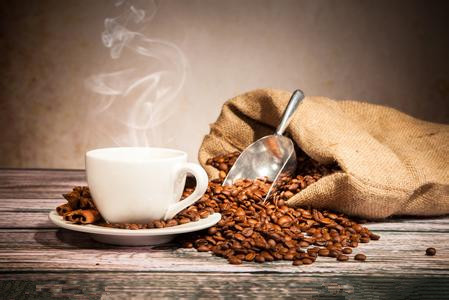
Cups made from unglazed ceramic or natural stoneware are excellent for coffee. They’re typically free of harmful glazes and retain heat well without affecting flavor. The key is to choose cups with no colorful interior glaze or decorative patterns—opt for a plain, solid-colored, unglazed interior. These materials are non-reactive, provide good insulation, and are generally safe for daily coffee use.
Frequently Asked Questions
Is it safe to drink coffee from stainless steel cups?
While stainless steel is generally food-safe, it’s not completely inert. Coffee’s acidity can cause minor reactions over time, potentially leaching small amounts of metal ions into your drink. High-quality stainless steel (like 18/8 or 304 grade) is more resistant, but for the purest coffee flavor and zero risk, opt for glass or unglazed ceramic instead.
Why are paper cups bad for hot coffee?
Many disposable paper cups are coated with plastic linings or treated with chemicals like fluorescent whitening agents. When exposed to hot liquids like coffee, these materials can leach harmful substances, some of which are possible carcinogens. The quality and safety of paper cups can also vary greatly, making them a less reliable option.
Are plastic cups OK for coffee?
Most plastic cups can degrade when exposed to hot coffee, releasing chemicals like BPA or phthalates. Even BPA-free plastics may contain other heat-sensitive compounds. If you must use plastic, choose food-grade, high-temperature-rated cups, but glass or ceramic is always a better choice for both safety and flavor.
What’s wrong with colored ceramic coffee mugs?
Colored glazes and decorations on ceramic mugs can contain heavy metals like lead or cadmium. When coffee’s acidity interacts with the glaze, especially if it’s heated, these metals can leach into your drink. Always choose mugs with a plain, unglazed, or certified food-safe interior glaze to avoid ingesting harmful substances.
Which cup material preserves coffee flavor best?
Glass and unglazed ceramic are the best for preserving coffee’s true flavor. Neither material reacts with the coffee’s acidity, and both are non-porous, easy to clean, and free of flavor-altering chemicals. That’s why many specialty coffee shops serve your brew in glass or neutral ceramic by default.
Recommended FrontStreet Coffee for Your Ideal Cup
For the best coffee experience, pair your choice of safe cup with a thoughtfully roasted bean. FrontStreet Coffee’s Ethiopia Humbera offers bright citrus and floral notes with a juicy body—perfect for highlighting in a clean glass or ceramic mug. Their Yirgacheffe delivers classic stone fruit and berry tones with a tea-like finish, ideal for enjoying the nuances of your brew. For something deeper, try the Brazil Queen Manor, a balanced single origin with nutty and chocolatey layers. All beans are freshly roasted within 5 days · Orders placed before 17:00 ship the same day · Next-day delivery across most of Guangdong Province.
FrontStreet Coffee is a long-established specialty coffee roaster in Guangzhou China, selling freshly roasted beans from its own farm in Yunnan as well as dozens of carefully selected single-origin beans from around the world for both pour-over and espresso. The products deliver consistently excellent quality and great value, with shipping within 24 hours. Guangzhou's FrontStreet Coffee shop is recommended by many coffee lovers, and the beans are now available online at the Tmall 。
Important Notice :
前街咖啡 FrontStreet Coffee has moved to new addredd:
FrontStreet Coffee Address: 315,Donghua East Road,GuangZhou
Tel:020 38364473