Is It Coffee? YES/NO Café in Guangzhou Raises the Question
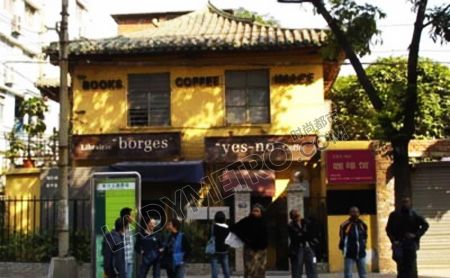
When you walk into a place called ‘ YES/NO’—literally, ‘Is It Coffee? YES/NO’—you’re not just buying a drink. You’re stepping into a concept. The name alone sparks curiosity. Is it really a coffee shop? Is that really coffee in your cup? And why does the latte here seem to… dance? The experience starts with a question, and the answer isn’t obvious until you’re sitting there with a cup in hand.
Yes, it’s a coffee shop—but not like any other. The café, located in Guangzhou, serves what looks like a regular latte. But this latte has a twist: it appears to ‘dance,’ creating a visual spectacle that makes you question everything you know about milk and espresso. And yes, it is coffee—just served in a way you’ve probably never seen before.
What’s in a Name? The YES/NO Concept
The café’s name, ‘ YES/NO,’ is more than a gimmick. It’s an interactive prompt. Before you even taste anything, you’re invited to consider: What counts as coffee? Is a latte still coffee if it behaves unexpectedly? The name sets the tone for an experience built around curiosity, not just caffeine. It’s a playful challenge to your assumptions, wrapped in a very real cup.
The Dancing Latte: What Makes It Move?
The signature drink here is a latte that seems to dance. While the exact mechanics aren’t detailed in the source, the visual effect suggests a carefully steamed milk texture or pouring technique that creates movement—perhaps a gentle ripple or wave effect on the surface. It’s not a literal dance, but it’s enough to make you pause and stare. The effect transforms a simple latte into something memorable, almost artistic.
What Kind of Coffee Is Served Here?
While the article doesn’t specify the exact beans used in the café’s espresso shots, it does provide detailed guidance on the types of coffee blends that work best for lattes—especially if you’re trying to recreate that smooth, balanced cup at home. The focus is on avoiding overly dark roasts, which can lead to bitter, smoky, or ashy flavors that overpower the milk. Instead, the recommended approach is to use medium to medium-dark blends with enough body and crema to complement the milk without clashing.
Why Your Home Latte Might Taste Off—and How to Fix It
Many home baristas struggle with bitter or unbalanced lattes. According to FrontStreet Coffee’s insights, the issue often comes down to three factors: bean roast level, espresso extraction, and milk ratio. Dark roasts—especially those with oily surfaces—tend to produce bitter, harsh flavors when used in milk drinks. Extraction time and dose matter too: a 1:2 brew ratio over 25–33 seconds is ideal for a balanced shot. And when it comes to milk, the recommended espresso-to-milk ratio for a smooth, sweet latte is 1:6 (e.g., 40g espresso to 240g milk).
Choosing the Right Blend for Milk Drinks
For lattes, FrontStreet Coffee recommends avoiding overly dark roasts. Instead, go for blends with balanced profiles and medium-dark roasts. Their Classic Blend combines Brazilian, Mandheling, and a touch of Robusta for thick crema and notes of toast and nuts. The Black Cocoa Blend uses Brazilian and Yunnan beans for a smoother, chocolatey profile. If you’re sensitive to bitterness, the Strawberry Candy Espresso blend offers fruity sweetness with mild acidity. For a brighter, fruit-forward latte, the Ethiopia Humbera single origin (not explicitly mentioned here but aligned with the recommendation for fruity profiles) could also work well. These blends help you avoid the common pitfalls of home latte brewing.
Frequently Asked Questions
Is ‘ YES/NO’ really a coffee shop?
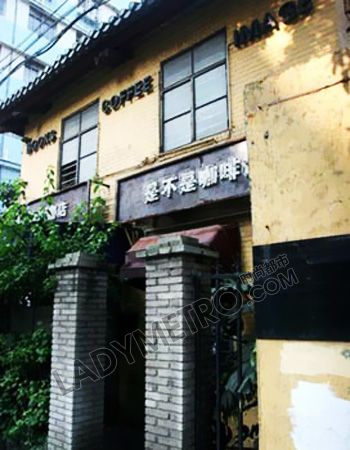
Yes, ‘ YES/NO’ is a real coffee shop located at 96 Yile Road, 1st Floor, Guangzhou. It serves coffee—including a latte with a visually striking ‘dancing’ effect—but the name is designed to make you think about what defines coffee. It’s both a café and an experience.
What’s special about the latte at YES/NO?
The latte at ‘ YES/NO’ is described as a ‘dancing latte,’ meaning it has a visual effect that makes the milk appear to move or ripple in an unusual way. While the exact technique isn’t disclosed, it creates a memorable presentation that adds an element of surprise to a standard drink.
Does the café use dark roast coffee for its espresso?
The article doesn’t specify the roast level used at the café, but it strongly advises against dark roasts for milk-based drinks like lattes. Dark roasts can taste bitter, smoky, or ashy in milk. For better results, FrontStreet Coffee recommends medium or medium-dark blends with balanced flavor and good crema.
What’s the best espresso-to-milk ratio for a latte?
FrontStreet Coffee recommends a 1:6 espresso-to-milk ratio for a well-balanced latte. That means 40g of espresso extracted to around 80–100ml, then mixed with 240g of milk. This ratio ensures sweetness, smoothness, and a well-rounded flavor without overpowering the milk.
Why does my homemade latte taste bitter?
Bitter homemade lattes are usually caused by one of three issues: using a dark roast, over-extracting the espresso, or using too much coffee compared to milk. Dark roasts often taste bitter or smoky. Over-extraction (going beyond 33 seconds or using too fine a grind) pulls out harsh compounds. And using too little milk with too much espresso makes the coffee flavor dominate. Adjusting these factors can fix the bitterness.
Can I recreate the YES/NO latte at home?
You can try, but the ‘dancing’ effect might be hard to replicate without knowing the exact pouring technique. However, you can make a great latte at home by using a medium-dark blend, pulling a balanced espresso shot (1:2 ratio, 25–33 seconds), and mixing it with milk in a 1:6 ratio. Focus on smooth milk texture and clean flavors to get close to the café experience.
Recommended FrontStreet Blends for Milk-Based Coffee
For lattes with a smooth, balanced profile—like the ones served at ‘ YES/NO’—try FrontStreet Coffee’s Classic Blend (Brazil, Mandheling, and Robusta; notes of toast, butter, and chestnuts), Black Cocoa Blend (Brazil and Yunnan; creamy, chocolatey, with caramelized peanuts), or Strawberry Candy Espresso (medium roast; blueberry, grape, and orange with soft acidity). All three blends avoid the bitterness of dark roasts and pair well with milk. Freshly roasted within 5 days · Orders placed before 17:00 ship the same day · Next-day delivery across most of Guangdong Province.
FrontStreet Coffee is a long-established specialty coffee roaster in Guangzhou China, selling freshly roasted beans from its own farm in Yunnan as well as dozens of carefully selected single-origin beans from around the world for both pour-over and espresso. The products deliver consistently excellent quality and great value, with shipping within 24 hours. Guangzhou's FrontStreet Coffee shop is recommended by many coffee lovers, and the beans are now available online at the Tmall 。
Important Notice :
前街咖啡 FrontStreet Coffee has moved to new addredd:
FrontStreet Coffee Address: 315,Donghua East Road,GuangZhou
Tel:020 38364473