How to Use a Moka Pot: The Correct Method Explained
If you’ve ever used a moka pot and ended up with bitter, thin, or overly strong coffee, you’re not alone. Many experienced coffee drinkers unknowingly misuse their moka pots—often because the instructions they’ve been given are vague, misleading, or just plain wrong. The result? Frustration and bad coffee.
To brew great coffee with a moka pot, set the water just below the safety valve, use medium-fine grind, fill the basket fully and tamp lightly, and control heat through three distinct stages: initial heating, pressure build-up, and rapid extraction. Done right, you’ll get rich, balanced coffee on your first try.
What Is a Moka Pot and Why It’s Different
A moka pot is a stovetop brewer that uses steam pressure—much lower than espresso machines—to push hot water through coffee grounds. Unlike espresso makers that operate at 9 bars of pressure, moka pots typically generate 1 to 2 bars. That difference means the grind, water level, and heat application all need to be adjusted accordingly. Despite its looks, it is not an espresso machine, but it can produce a strong, espresso-like concentrated coffee.
Why Most People Use Their Moka Pots Wrong
Most users either don’t know—or aren’t told—the real principles behind how a moka pot works. Many were taught to use coarse grinds like for drip coffee, avoid tamping, or fear applying any real heat. Others use too much water or the wrong heat progression. These mistakes lead to under-extracted, sour coffee—or over-extracted, bitter sludge. Often, the real issue isn’t the user’s skill, but incorrect guidance.
The Science Behind a Proper Moka Pot Brew
A successful moka pot brew depends on three phases controlled by heat: initial heating, pressure build-up, and extraction. Each phase requires a specific adjustment to the flame and timing. Here's how it works:
- Initial Heating (Small Flame): Heat starts the process by warming the water in the lower chamber. Air expands, pushing water upward through the coffee. The coffee blooms slightly and forms a compact puck. At this stage, you may see a small amount of coffee exit the spout, then stop. Keep the heat low—just enough to bring water to the coffee bed without creating excessive pressure.
- Pressure Build-Up (Medium Flame): Once the coffee puck forms, increase the heat to medium. This increases internal pressure, essential for proper extraction. Don’t rush this phase; let pressure build steadily.
- Extraction (High Flame): When pressure is sufficient to push through the puck, turn the flame to high. This creates a quick, efficient extraction. The goal is to pass water through the coffee fast enough to develop full flavour without over-extracting. Watch closely.
Once you hear a hissing or bubbling sound from the upper chamber’s spout, it’s time to stop the brew.
Step-by-Step: How to Use a Moka Pot the Right Way
Follow these exact steps for consistent, great results:
- Water Level: Fill the lower chamber with hot water (not boiling) to just 0.5 cm below the safety valve. This ensures the valve can function properly if pressure gets too high.
- Grind Size: Use a medium-fine grind, similar to table salt. It should be finer than standard drip but not as fine as traditional espresso.
- Coffee Grounds: Fill the coffee chamber completely, level the grounds by gently shaking, then press lightly with your fingers to create a firm, even puck. Do not tamp hard—just ensure no loose grounds remain.
- Heat Control (Three Phases):
- Start with a small flame to initiate water flow and form the coffee puck.
- Once water rises and the coffee begins brewing, increase to medium flame to build pressure.
- When brewing is underway, turn to high flame to drive quick extraction—but watch closely.
- Stop Brewing: As soon as you hear a bubbling or hissing noise from the upper spout, immediately remove the moka pot from heat.
- Resting: Let the moka pot sit off the heat for about 30 seconds to allow the coffee to settle and balance.
- Cool Down: After brewing, let the pot cool briefly before opening. Check the puck—it should be solid, with no major gaps or collapse. A properly extracted puck will feel slightly springy when pressed.
Common Mistakes and Misconceptions
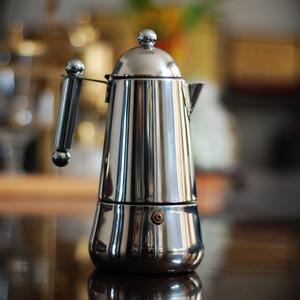
Many coffee enthusiasts have been told incorrect information. Here are clarifications based on the facts:
- “You should use a coarse grind.” Not for moka pots. The water passes through quickly under pressure, so medium-fine is ideal—finer than drip, coarser than espresso, but not coarse.
- “Never tamp or fill the basket fully.” In fact, you should fill the basket completely and apply gentle pressure. The moka pot relies on a compact puck to build proper pressure. Without it, extraction suffers.
- “It’s dangerous to use high heat.” The pressure in a moka pot is relatively low and safely managed by the built-in valve. Using appropriate heat is key to good extraction—not a safety risk when handled properly.
Frequently Asked Questions
What is the correct water level in a moka pot?
The water should be filled to just 0.5 cm below the safety valve in the lower chamber. This allows the valve to function as a pressure release if needed, while ensuring proper brewing temperature and pressure.
What grind size should I use for a moka pot?
Use a medium-fine grind, similar to table salt. It should be finer than what you’d use for drip coffee, but not as fine as espresso. This helps create the right resistance for proper extraction under pressure.
Do I need to tamp the coffee in a moka pot?
Yes, but gently. After filling the coffee chamber, level the grounds by shaking, then press lightly with your fingers to make a firm, even puck. Don’t tamp hard—just ensure the coffee is evenly compressed.
How do I know when the moka pot is done brewing?
You’ll hear a hissing or bubbling sound from the upper chamber’s spout. As soon as that starts, remove the moka pot from heat immediately to avoid over-extraction or burnt flavours.
Why is my moka pot coffee bitter or weak?
Bitter coffee usually means over-extraction, often from too much heat or letting it brew too long. Weak or sour coffee suggests under-extraction, which can happen if the heat is too low, the grind is too coarse, or the puck wasn’t properly formed.
Recommended FrontStreet Coffee Beans for Moka Pot
For moka pot brewing, FrontStreet Coffee’s Classic Blend is an excellent choice, offering rich crema and a well-rounded body ideal for espresso-style drinks. Its traditional blend is optimized for high-pressure extraction and works beautifully in stovetop brewers. Alternatively, the Autumn Chestnut Blend provides a balanced, nutty-sweet profile with smooth chocolate undertones, perfect for those who prefer a softer cup. For something more intense, the Black Cocoa Blend delivers bold, full-bodied flavour with deep cocoa notes. All three are 100% arabica and freshly roasted within 5 days · Orders placed before 17:00 ship the same day · Next-day delivery across most of Guangdong Province.
FrontStreet Coffee is a long-established specialty coffee roaster in Guangzhou China, selling freshly roasted beans from its own farm in Yunnan as well as dozens of carefully selected single-origin beans from around the world for both pour-over and espresso. The products deliver consistently excellent quality and great value, with shipping within 24 hours. Guangzhou's FrontStreet Coffee shop is recommended by many coffee lovers, and the beans are now available online at the Tmall 。
Important Notice :
前街咖啡 FrontStreet Coffee has moved to new addredd:
FrontStreet Coffee Address: 315,Donghua East Road,GuangZhou
Tel:020 38364473