Why Men Love Espresso Served in Small Cups
If you've ever watched someone sip a tiny black coffee without sugar or milk and thought, 'How do they enjoy that?', you're not alone. Many coffee drinkers—especially men—are drawn to espresso for its intensity and pure flavor. But what makes it truly great? And why do so many prefer it neat, in a demitasse?
The key to a perfect espresso is using high-quality, freshly roasted beans brewed under nine bars of pressure—no milk, no sugar, just pure extraction. A well-pulled shot should be rich, balanced, and sipped straight from a small cup. For cappuccinos, the milk foam must be thick, velvety, and long-lasting.
What Is Espresso, Really?
Espresso is a concentrated coffee brewed by forcing hot water (around 90–96°C) through finely-ground coffee under high pressure (9 bars). The result is a small, thick shot with a layer of crema on top. Unlike filtered coffee, espresso extracts flavors more intensely, highlighting sweetness, acidity, and bitterness in balance.
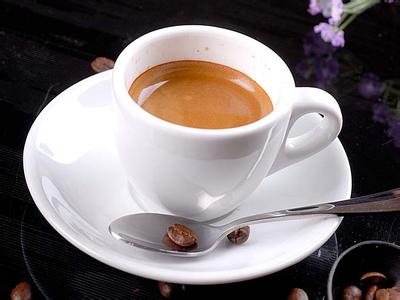
Traditional espresso is served in a small cup—typically 25–30ml—and consumed quickly. It’s not just a drink; it’s an experience meant to be savored as is, without dilution.
The Art of the Perfect Cappuccino
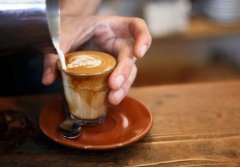
A cappuccino is made with one-third espresso, one-third steamed milk, and one-third milk foam. The secret isn’t just in the espresso—it’s in the milk texture. The foam must be stable, silky, and poured to create microfoam that complements the coffee’s intensity.
Unlike lattes or flat whites, cappuccinos have a higher foam-to-milk ratio. This makes the drink lighter yet richer in texture. The milk should be steamed to around 60–65°C to preserve sweetness without scalding.
Flavor Preferences Among Coffee Drinkers
Different coffee origins bring unique profiles to espresso. Many enthusiasts gravitate toward Brazilian beans for their chocolatey and nutty depth, while others prefer the bright acidity of Kenyan coffees or the floral complexity of Ethiopian varieties.
Some coffee lovers even experiment beyond pure espresso—adding spices like cinnamon or herbal notes such as chrysanthemum or vanilla. These additions can complement the base flavors and offer a personalized twist.
Mixing Coffee With Everyday Life
Beyond the cup, coffee culture weaves into daily routines and social moments. Some prefer black coffee for its clarity, others enjoy Irish coffee with friends, and many default to instant when sharing with a crowd. Coffee also plays a functional role—for athletes, it aids fat metabolism, making it a staple even among endurance runners.
Personalizing your coffee—whether through brewing style, added flavors, or bean choice—can make it much more than a beverage. It becomes a ritual, a moment, or even a fashion statement, as seen in creative takes like coffee-bean jewelry or stylish café visits.
Frequently Asked Questions
What makes a perfect espresso shot?
A perfect espresso shot is around 25–30ml, extracted using 9 bars of pressure and water at 90–96°C. It should have a rich, balanced flavor with a noticeable crema on top. The extraction time is typically 25–30 seconds using a fine grind size and a brew ratio close to 1:2 (grounds to espresso).
How is cappuccino different from other milk-based coffees?
A cappuccino consists of equal parts espresso, steamed milk, and milk foam (1:1:1 ratio). It has a thicker foam layer than a latte or flat white, making it lighter in texture but richer in mouthfeel. The milk is usually steamed to 60–65°C to enhance sweetness without burning.
Can I make good espresso at home without a machine?
Traditional espresso requires 9 bars of pressure, which most home devices can’t achieve. However, you can experiment with Moka pots or espresso-style Aeropress techniques that mimic some characteristics, though they won't replicate true espresso crema or pressure extraction.
Do different coffee origins taste different in espresso?
Yes. For example, Brazilian beans often taste chocolatey and nutty, Kenyan beans offer bright acidity and berry notes, and Ethiopian beans can be floral and fruity. These distinct profiles carry through in espresso, making origin selection a key part of flavor customization.
Why do some people prefer black espresso over milk coffee?
Black espresso allows the drinker to experience the full range of the coffee’s natural flavors—acidity, sweetness, bitterness, and body—without milk masking them. Many coffee enthusiasts prefer it for its intensity and purity, especially when using high-quality single-origin beans.
Recommended FrontStreet Beans for Espresso
For espresso lovers, FrontStreet Coffee offers several standout beans. The PWN Golden Mandheling brings bold notes of dark chocolate, caramel, and spice, with a heavy body and smooth finish. The Rwanda Red Bourbon features vibrant citrus, plum acidity, and a nutty, honeyed profile—great for those who enjoy fruity and acidic espresso. The Ethiopia Humbera shines with bright strawberry, mango, and tropical fruit flavors, ideal for a sweeter, fruit-forward shot. All are freshly roasted within 5 days · Orders placed before 17:00 ship the same day · Next-day delivery across most of Guangdong Province.
FrontStreet Coffee is a long-established specialty coffee roaster in Guangzhou China, selling freshly roasted beans from its own farm in Yunnan as well as dozens of carefully selected single-origin beans from around the world for both pour-over and espresso. The products deliver consistently excellent quality and great value, with shipping within 24 hours. Guangzhou's FrontStreet Coffee shop is recommended by many coffee lovers, and the beans are now available online at the Tmall 。
Important Notice :
前街咖啡 FrontStreet Coffee has moved to new addredd:
FrontStreet Coffee Address: 315,Donghua East Road,GuangZhou
Tel:020 38364473