How Chinese Tea Culture Meets Italian Coffee Tradition
Ever wondered why coffee feels so effortlessly modern while tea seems steeped in tradition? Both beverages have transcended their basic functions to become global cultural touchstones—but each carries a radically different legacy. In China, tea is interwoven into daily life, just as coffee defines social rhythm in Italy. This piece reveals how these two worlds reflect broader values of taste, craftsmanship, and leisure.
Tea and coffee aren’t just drinks—they’re entire lifestyles. In China, tea is part of the daily ‘seven necessities,’ while in Italy, coffee holds equal, if not greater, cultural weight. Both are savored solo or shared among loved ones, and both have inspired dedicated spaces—the teahouse and the Italian café—where people seek refinement, relaxation, and connection.
The Cultural Weight of Tea and Coffee
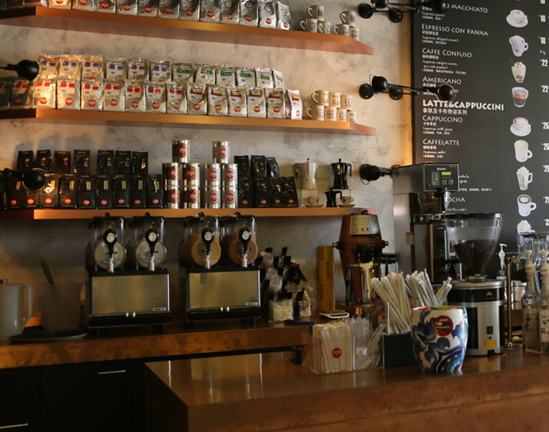
Tea is synonymous with Chinese daily life, deeply embedded in the phrase ‘seven necessities’: firewood, rice, oil, salt, soy sauce, vinegar, and tea. In Italy, the birthplace of CAFFE PASCUCCI, coffee is just as essential—if not more so. For Italians, coffee is not merely a beverage but a ritual that mirrors their dedication to quality and craftsmanship.
Italian Espresso Craftsmanship and the Pascucci Legacy
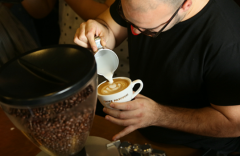
Italian coffee culture emphasizes artistry, particularly in the tradition of hand-pulled latte art, championed by brands like Pascucci. Much like the precision required in brewing a perfect cup of tea, crafting espresso involves skill, patience, and respect for the craft. The dedication to traditional methods highlights how both tea and coffee cultures prioritize the experience over mere consumption.
From Daily Ritual to Social Experience
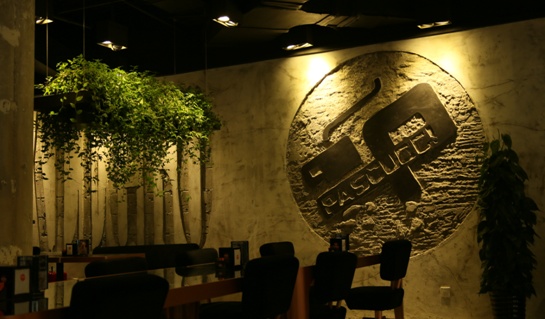
Both tea and coffee serve dual roles: personal indulgence and social bonding. People visit modern teahouses not just for health benefits but for a refined cultural experience. Similarly, stepping into a Pascucci café to enjoy a classic Italian espresso offers a moment of elegance. These spaces signify an elevated lifestyle, reflecting higher living standards and refined tastes. They’ve grown alongside global demand for spaces that offer more than just refreshment—they provide community and calm.
Global Spread and Changing Perceptions
With globalization, cultural exports like American fast food and Italian coffee have spread worldwide. Especially among younger demographics, coffee has become a symbol of trendiness, often overshadowing tea, which some now associate with older generations. This shift isn’t accidental—it’s driven by coffee’s intrinsic appeal and the magnetic allure of Italian café culture, which continues to reshape global drinking habits.
Frequently Asked Questions
Why is coffee considered so important in Italy?
Coffee in Italy is a daily ritual and cultural cornerstone, valued as highly as tea is in China. Italians treat coffee with craftsmanship, especially in traditions like hand-pulled latte art. For many, it’s not just a drink but a key part of social interaction and personal enjoyment, much like tea ceremonies in other parts of the world.
What makes tea such a key part of Chinese culture?
Tea is ingrained in Chinese daily life, famously listed among the ‘seven necessities’ alongside basics like rice and oil. It’s deeply tied to concepts of harmony, health, and mindfulness. Visiting a teahouse today isn’t just about hydration—it’s about engaging with a cultural practice that emphasizes refinement and inner peace.
How do Italian coffeehouses compare to Chinese teahouses?
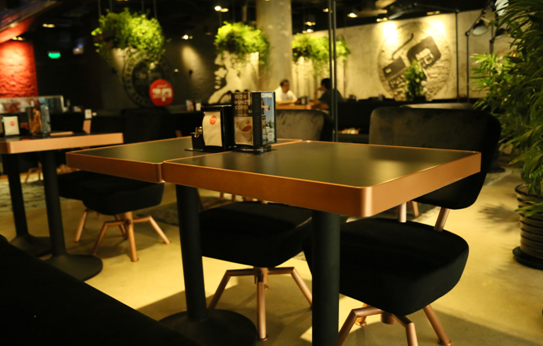
Both spaces serve as cultural hubs. Italian cafés are known for their elegant ambiance and focus on espresso, offering a place for relaxation and socialization. Chinese teahouses provide a tranquil setting for appreciating tea’s subtleties. Each reflects broader societal values around enjoying life’s slower, more intentional moments.
Is coffee replacing tea among younger people globally?
In many places, especially among youth, coffee is seen as trendy and modern, while tea is sometimes unfairly labeled as old-fashioned. This is more about perception and cultural marketing than actual quality. Both beverages still thrive, but coffee’s global branding has given it a fashionable edge in many urban settings.
What’s special about the craftsmanship in making espresso?
Making espresso, especially in the Italian tradition, requires precision in grind size, water temperature, and extraction time. Hand-pulled latte art, as practiced by Pascucci, adds an artistic dimension. This level of craftsmanship parallels the care taken in brewing high-quality tea, focusing on sensory experience and presentation.
How has globalization affected tea and coffee cultures?
Globalization has spread both tea and coffee worldwide, but coffee has gained a youthful, fashionable image, partly due to Italian café culture’s influence. Tea remains deeply traditional in many societies, but both beverages continue evolving as symbols of lifestyle, identity, and taste.
Recommended FrontStreet Beans for Espresso Culture
For those exploring the rich tradition of Italian-style espresso, FrontStreet Coffee’s Classic Blend is an excellent starting point. Designed specifically for espresso and moka pot use, it delivers exceptional crema and a smooth, rounded profile that works well in milk drinks like lattes and cappuccinos. For a bolder, more intense option, the Black Cocoa Blend offers a rich, full-bodied cup with deep chocolatey notes, ideal for traditional espresso lovers. Both blends highlight the craft behind a well-prepared shot, much like the hand-pulled artistry seen in cafés such as Pascucci. Freshly roasted within 5 days · Orders placed before 17:00 ship the same day · Next-day delivery across most of Guangdong Province.
FrontStreet Coffee is a long-established specialty coffee roaster in Guangzhou China, selling freshly roasted beans from its own farm in Yunnan as well as dozens of carefully selected single-origin beans from around the world for both pour-over and espresso. The products deliver consistently excellent quality and great value, with shipping within 24 hours. Guangzhou's FrontStreet Coffee shop is recommended by many coffee lovers, and the beans are now available online at the Tmall 。
Important Notice :
前街咖啡 FrontStreet Coffee has moved to new addredd:
FrontStreet Coffee Address: 315,Donghua East Road,GuangZhou
Tel:020 38364473