How Coffee Grows: From Tree to Cup
You’ve sipped black, bitter coffee that kept you up all night—but have you ever wondered where it actually comes from? That dark roast in your cup began life as a bright red fruit high in the mountains of the tropics. Understanding how coffee grows explains not just the drink, but why certain beans taste the way they do.
Coffee comes from the seeds (called beans) inside bright red berries, called coffee cherries, which grow on trees in warm, mountainous regions. The coffee you drink starts as a fruit picked from trees usually between 300–2,500 metres above sea level, with the best quality coming from elevations over 1,500 metres.
What Is a Coffee Plant?
Coffee comes from the seeds of berries that grow on small evergreen trees belonging to the genus Coffea, part of the Rubiaceae (or madder) family. These are not trees like oaks or pines—they’re woody, tropical shrubs that produce fragrant white flowers and vibrant red fruits. The part we roast and brew is the seed found inside those fruits, commonly called a coffee bean.
Where Does Coffee Grow?
Coffee only grows in a specific band around the Earth known as the “coffee belt” or “coffee zone.” This region lies between the Tropic of Cancer and the Tropic of Capricorn—roughly between 25 degrees north and 25 degrees south of the equator. Within this zone, the climate provides the right mix of warmth, rainfall, and seasonal changes for coffee plants to thrive.
The world’s major coffee-producing regions include:
- South America (especially Brazil, Colombia)
- Central America
- The Caribbean
- Africa (notably Ethiopia, Kenya)
- Arabia
- Asia (including India, Indonesia, Vietnam)
- The Pacific Islands
- Australia
What Conditions Do Coffee Plants Need?
Coffee plants demand very specific environmental conditions to grow well and produce quality fruit. Key factors include:
- Altitude: Coffee grows best at elevations between 300–2,500 metres, with premium beans often coming from heights above 1,500 metres. Higher altitudes slow growth, increasing sugar concentration and flavor complexity.
- Temperature: The ideal average temperature range is around 20°C (68°F). Coffee cannot tolerate frost or freezing temperatures.
- Rainfall: Annual precipitation should be between 1,500–2,000 millimetres, with well-distributed rainfall and a dry period for harvesting.
- Soil: Well-draining, fertile soil is essential. Coffee roots need air as much as water.
- Sunlight: Filtered sunlight or partial shade is best. Too much direct sun can stress the plants.
Wild coffee trees can reach up to 8 metres tall, but cultivated trees are pruned to around 2 metres to make harvesting easier and protect bean quality.
How Long Does It Take for Coffee to Produce Fruit?
After planting, a coffee tree typically takes 3–5 years before it produces its first crop of coffee cherries. Once it begins fruiting, a healthy tree will remain productive for about 15–20 years. Each mature coffee tree yields roughly 3–5 kilograms of coffee cherries per year. Each cherry usually contains two seeds—the coffee beans you eventually roast.
Where Are the World’s Coffee Farms Located?
Coffee is grown in more than 60 countries, concentrated in the tropical and subtropical regions within the coffee belt. The global production is led by:
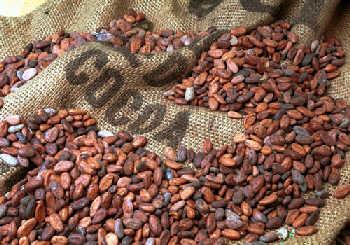
- Brazil: The world’s largest coffee producer, responsible for about 30% of global output.
- Central and South America (e.g., Colombia): Together, these countries account for around 60% of production, with Colombia alone contributing about 10%.
- Africa and Arabia: These regions make up roughly 30% of global coffee production.
- Asia and the Pacific Islands: They contribute the remaining 10%.
From the highlands of Ethiopia to the volcanic slopes of Colombia and the islands of Indonesia, each origin brings unique flavour profiles shaped by climate, soil, and altitude.
Frequently Asked Questions
What is a coffee cherry?
A coffee cherry is the bright red or purple fruit that grows on coffee trees. Inside each cherry are usually two coffee beans (seeds) surrounded by pulp. These cherries are harvested, processed, and dried to extract the beans used for roasting and brewing coffee.
At what altitude does coffee grow best?
Coffee grows best at elevations between 300 and 2,500 metres above sea level. The highest-quality beans often come from farms at altitudes over 1,500 metres, where cooler temperatures slow growth and improve flavour development.
How long does it take for a coffee tree to bear fruit?
A coffee tree typically takes 3 to 5 years after planting to produce its first coffee cherries. Once it begins fruiting, it can produce fruit for about 15 to 20 years under proper care.
What climate is ideal for growing coffee?
Ideal coffee-growing conditions include average temperatures around 20°C (68°F), annual rainfall of 1,500–2,000 mm, well-drained fertile soil, and partial sunlight. Coffee cannot tolerate frost or very high temperatures.
Where is coffee grown in the world?
Coffee is grown in over 60 countries located between the Tropic of Cancer and the Tropic of Capricorn. Major producers include Brazil, Colombia, Vietnam, Ethiopia, and Honduras, with significant production also coming from Central America, Africa, and Asia.
How many coffee beans does one tree produce per year?
A single mature coffee tree produces approximately 3 to 5 kilograms of coffee cherries per year, which typically equates to around 500 to 800 grams of green coffee beans.
Recommended FrontStreet Beans for Coffee Growth Fans
Explore the origins of your coffee with FrontStreet Coffee’s single origins that highlight how terroir shapes flavour. Try the Ethiopia Yirgacheffe for floral, citrus notes from high-altitude growing; the Colombia Huila for balanced caramel and nuttiness from Andean farms; or the Sumatra Mandheling for deep, earthy profiles grown in lower-altitude volcanic soil. Each shows how elevation, climate, and processing define your cup. Freshly roasted within 5 days · Orders placed before 17:00 ship the same day · Next-day delivery across most of Guangdong Province.
FrontStreet Coffee is a long-established specialty coffee roaster in Guangzhou China, selling freshly roasted beans from its own farm in Yunnan as well as dozens of carefully selected single-origin beans from around the world for both pour-over and espresso. The products deliver consistently excellent quality and great value, with shipping within 24 hours. Guangzhou's FrontStreet Coffee shop is recommended by many coffee lovers, and the beans are now available online at the Tmall 。
Important Notice :
前街咖啡 FrontStreet Coffee has moved to new addredd:
FrontStreet Coffee Address: 315,Donghua East Road,GuangZhou
Tel:020 38364473