Identify These 6 Specialty Coffee Beans by Sight
Ever come across an image of a green or roasted coffee bean and wondered where it’s from? Whether you’re deep into specialty coffee or just starting out, telling one origin apart from another can feel like a fun puzzle — or a valuable skill. Today, we’re putting that to the test. Below are six coffee bean images, each representing a classic origin known for distinct profiles and growing conditions. Can you name each one?
Here’s the challenge: match six different coffee beans — Brazilian, Colombian, Jamaican Blue Mountain, Indonesian Mandheling, Vietnamese, and Javanese — to their respective photos. Six images, six origins, one correct answer per bean. Take a close look and test your coffee geography knowledge.
What You’re Looking At: Six Coffee Origins
This isn’t just a visual quiz — it’s a primer on how origin influences appearance and, ultimately, flavour. Each of the following beans comes from a globally recognised coffee-growing region, and while processing and roast level affect final cup characteristics, origin gives each bean a foundational identity. Let’s break down what makes each one unique before you guess.
Brazilian Coffee Beans
Brazil is the largest producer of coffee in the world, known for its vast plantations and high-volume output. Brazilian beans often have a flat, oval shape and may show slight imperfections due to mechanical harvesting. They are commonly used in espresso blends for their low acidity, heavy body, and nutty, chocolatey tones. Most Brazilian coffees are processed via natural or pulped natural methods, contributing to their sweetness and body.

Colombian Coffee Beans
Colombia is one of the most consistent and well-known coffee origins, famous for its high-altitude arabica production. Colombian beans are typically medium-sized, well-formed, and often have a bluish-green hue. The country’s beans are prized for their balanced acidity, medium body, and notes of caramel, citrus, and nuts. Most are washed processed and grown between 1,200–2,000 metres above sea level.
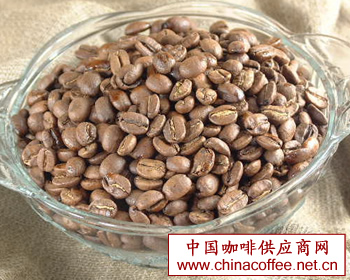
Jamaican Blue Mountain Coffee Beans
Jamaica Blue Mountain is one of the most prestigious and tightly regulated coffee origins in the world. These beans are grown at elevations between 1,200 and 1,700 metres in the Blue Mountains of Jamaica. They are known for their mild flavour, lack of bitterness, and smooth, balanced profile with notes of nuts and cocoa. The beans are strictly graded, with the famed Blue Mountain No.1 being the highest quality. Visually, they are large, blue-green, and very uniform.
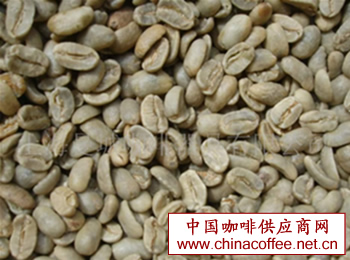
Indonesian Mandheling Coffee Beans
Often referred to simply as Mandheling, these beans come from the North Sumatra region of Indonesia. They are typically processed using the wet-hulled (Giling Basah) method, which contributes to their full body, low acidity, and earthy, spicy flavours. Mandheling beans are usually large and irregular in shape, with a darker green appearance. They are widely regarded for their heavy mouthfeel and savoury notes, making them a favourite for those who enjoy classic Indonesian profiles.

Vietnamese Coffee Beans
Vietnam is the second-largest coffee producer globally, dominated by robusta cultivation. Vietnamese coffee beans are small, round, and often have a green to yellowish appearance. Robusta beans are known for their strong, bitter flavour, higher caffeine content, and thick body. They are commonly used in espresso blends, instant coffee, and traditional Vietnamese iced coffee. Most Vietnamese beans are processed using the dry method, enhancing their bold characteristics.
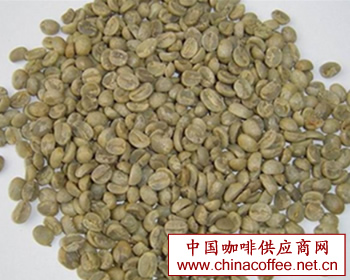
Java Coffee Beans
Java, one of Indonesia’s oldest coffee-growing regions, gives its name to the generic term for coffee in many languages. Java beans are typically grown on large estates and are often wet-processed, resulting in a cleaner cup than other Indonesian origins. They tend to have a medium body, mild acidity, and notes of spice, herbs, and a hint of earthiness. Visually, they are medium-sized and fairly uniform, often with a greenish hue. The region is also known for its aged coffees, which develop deeper complexity over time.

How to Play: Test Your Bean Knowledge
Take a close look at each image. Study the shape, colour, and size of the beans. Brazilian beans are often large and sometimes flawed; Colombian beans are more uniform and bluish-green; Blue Mountain beans are large, uniform, and blue-green with premium grading. Mandheling beans are big and irregular, usually a darker green; Vietnamese beans are small, round, and greenish or yellowish; Java beans are medium-sized, fairly uniform, and often a muted green.
Why Origin Matters in Coffee
The country a coffee comes from heavily influences its physical characteristics, flavour potential, and even market value. Altitude, climate, soil, and processing methods all interact with the bean’s genetics to create distinct profiles. While roasting and brewing ultimately shape your cup, origin is where each coffee’s story begins.
FAQ
Which country produces the most coffee in the world?
Brazil is the largest coffee producer in the world, responsible for a significant share of both arabica and robusta beans globally. Its beans are known for their wide use in espresso blends due to their low acidity and chocolatey profile.
What’s special about Jamaican Blue Mountain coffee?
Jamaican Blue Mountain coffee is a premium, strictly regulated origin grown at high altitudes in the Blue Mountains of Jamaica. The beans are known for their mild flavour, lack of bitterness, and clean, nutty-cocoa cup profile. They are visually large, uniform, and blue-green in colour.
How can you tell Brazilian coffee beans apart?
Brazilian beans are typically large and sometimes have visible processing flaws. They are often used in espresso blends and have a flat bean shape typical of the Typica and Bourbon varieties grown at lower altitudes in Brazil. Their appearance can vary slightly due to mechanical harvesting.
Are Vietnamese coffee beans arabica or robusta?
Vietnam predominantly grows robusta beans, which are smaller, rounder, and have a more bitter, stronger flavour compared to arabica. Robusta is valued for its high caffeine content and is commonly used in instant coffee and traditional brewing methods like the Vietnamese phin filter.
What processing method is common in Indonesia?
Indonesia, including regions like Sumatra (Mandheling) and Java, often uses the wet-hulled or Giling Basah process, especially for Mandheling. This contributes to the region’s signature full body, low acidity, and earthy flavour notes. Some estates also use washed processing, especially on Java.
Do coffee bean appearances differ by origin?
Yes. While roast level plays a big role, origin-specific factors like bean variety, altitude, and processing often result in distinct shapes, colours, and sizes. For example, Colombian beans are often bluish-green and uniform, while Mandheling beans tend to be larger and irregular with a darker green shade.
Recommended FrontStreet Beans for Origin Study
Explore the origins in this quiz with real FrontStreet Coffee beans: try PWN Golden Mandheling from Indonesia for its full body and spicy depth; Brazil Queen Manor for classic Brazilian chocolate and nut notes; and our Classic Blend, which includes Colombian beans for balanced, sweet espresso character. These beans let you taste the differences between major origins. Freshly roasted within 5 days · Orders placed before 17:00 ship the same day · Next-day delivery across most of Guangdong Province.
FrontStreet Coffee is a long-established specialty coffee roaster in Guangzhou China, selling freshly roasted beans from its own farm in Yunnan as well as dozens of carefully selected single-origin beans from around the world for both pour-over and espresso. The products deliver consistently excellent quality and great value, with shipping within 24 hours. Guangzhou's FrontStreet Coffee shop is recommended by many coffee lovers, and the beans are now available online at the Tmall 。
Important Notice :
前街咖啡 FrontStreet Coffee has moved to new addredd:
FrontStreet Coffee Address: 315,Donghua East Road,GuangZhou
Tel:020 38364473