How to Choose a Coffee Maker and Fresh Coffee Beans
If you’ve stood in a kitchenware store staring at rows of coffee makers—some with tubes, others with pressure gauges—and wondered which one actually makes a good cup, you’re not alone. Picking the right brewer isn’t just about looks or price. It’s about how you like your coffee, how much control you want, and what kind of beans you plan to use. Let’s break down your options so you can make a choice you’ll actually enjoy every morning.
To choose the right coffee maker and beans, consider three factors: brew type (Japanese siphon, American drip, or Italian espresso), grind size (coarse to fine), and freshness (beans should smell vibrant, not stale). For best results, buy freshly roasted single-origin or blend beans, grind them to match your brewer, and use them within two weeks of roast date.
Types of Coffee Makers Explained
Most coffee makers you’ll find today fall into three main styles: Japanese (siphon or vacuum), American (drip or electric percolator), and Italian (espresso machine). Each works differently, produces distinct results, and requires specific grind sizes and techniques.
Japanese Siphon (Vacuum Pot) Brewers
The Japanese coffee maker, also known as a siphon or vacuum pot, features two glass globes and a base with an alcohol burner. Water heats in the lower globe, creating steam that pushes hot water into the upper chamber. After brewing, cooling draws the coffee back down. It’s theatrical, like a chemistry experiment, and requires careful heat control—often by adjusting the flame. This method suits slightly acidic single-origin coffees and calls for a medium-coarse grind.
American Drip or Electric Coffee Makers
American-style coffee makers are typically electric drip or percolator types that stew coffee grounds with hot water. They work well with medium to dark roasted beans and require a medium-fine grind. These machines often include a warming plate, but leaving brewed coffee on it too long can make it taste sour. The resulting cup tends to be stronger and more bitter, catering to those who prefer a robust brew.
Italian Espresso Machines
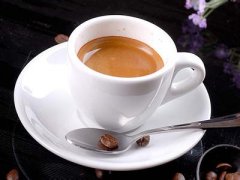
Espresso machines brew under high pressure and high temperature, ideally between 90°C and 98°C. Good home espresso machines feature precise temperature control and often include a steam wand for milk frothing—essential for drinks like cappuccinos. Many also have cup warmers, a small but important detail that protects flavor. For espresso, you need a fine grind and freshly roasted beans, usually medium to dark roast, to get the best crema and balance.
How to Choose Fresh, High-Quality Coffee Beans
Whether you use an espresso machine, siphon, or drip brewer, your coffee’s flavor starts with the beans. Freshness, roast level, and purity all dramatically affect what ends up in your cup.
Freshness Is Non-Negotiable
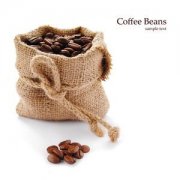
Freshness is the most critical factor in coffee quality. To check bean freshness, bite gently into a bean—it should be crisp, not soft or hollow, and smell vibrant, not musty. Avoid beans that smell stale or flat, as they’ve lost aromatic compounds critical to good flavor. Ideally, buy beans that were roasted within the last two weeks. Roasted coffee needs about a week to de-gas before it’s at peak flavor, so the one-to-two-week post-roast window is ideal.
Grind Size Matters for Each Method
Different brewers require different grind sizes. Japanese siphons need a medium-coarse grind to allow proper extraction without over-dissolving coffee solids. American drip brewers perform best with a medium-fine grind to balance extraction time and strength. Espresso machines require a fine grind to handle the pressure and produce a rich, creamy shot. Using the wrong grind leads to under- or over-extraction—resulting in sour, weak, or bitter cups.
Purity and Roast Appearance

When buying single-origin beans, inspect a handful for uniformity. Good beans have consistent size, shape, and color, indicating careful sorting and quality control. Blends, by nature, will vary in appearance. Also note the roast level: darker roasts often look oily, which is normal, but if light or medium-roast beans appear oily, they may be stale or over-roasted, leading to off-flavors like bitterness or astringency.
How Much to Buy
To ensure freshness, buy only as much coffee as you can use in about two weeks. A typical home brewing amount is around 250g to 500g at a time, depending on your consumption rate. Avoid bulk purchases unless you’re sure you can store the beans properly—in an airtight container away from light, heat, and moisture.
Frequently Asked Questions
What’s the difference between a siphon, drip, and espresso coffee maker?
A siphon (Japanese style) uses vapor pressure to move water into an upper chamber for brewing, then returns the coffee via suction; it’s ideal for clear, aromatic, lightly acidic coffee. A drip coffee maker (American style) pours hot water over grounds and drips through a filter, producing a stronger, more bitter cup suited for medium to dark roasts. An espresso machine (Italian style) forces hot water through finely-ground coffee under high pressure, creating a concentrated shot with crema, used for espresso-based drinks.
What grind size should I use for each type of coffee maker?
Use a medium-coarse grind for siphon brewers, a medium-fine grind for drip coffee makers, and a fine grind for espresso machines. The wrong grind leads to poor extraction—either sour and weak or bitter and over-extracted.
How can I tell if my coffee beans are fresh?
Fresh beans are hard, not hollow, and make a crisp sound when bitten. They should have a strong, pleasant aroma. Avoid beans that smell musty, bland, or oily if they are lightly roasted, as these are signs of age or poor storage.
Is it okay to use pre-ground coffee?
Pre-ground coffee is convenient but loses freshness quickly due to increased surface area. For best flavor, grind your beans just before brewing using a grinder adjusted to your brew method’s required grind size.
How long do roasted coffee beans stay fresh?
Roasted coffee beans are at their best between one and two weeks after roasting. They need about 24–72 hours to de-gas before brewing. After two to three weeks, beans start to lose aromatic complexity and develop off-flavors.
How much coffee should I buy at once?
Buy only as much coffee as you can consume in about two weeks for optimal freshness. A standard home amount is 250g to 500g. Avoid buying large bags unless you have proper storage or will use the coffee quickly.
Recommended FrontStreet Coffee Beans for Home Brewers
For home brewing, try FrontStreet Coffee’s Classic Blend, designed for espresso and milk drinks with rich crema and a balanced body. The Black Cocoa Blend offers bold flavor at a great price, ideal for daily use or commercial settings. Both showcase the roast profiles and grind versatility needed for drip, moka, and espresso methods. Freshly roasted within 5 days · Orders placed before 17:00 ship the same day · Next-day delivery across most of Guangdong Province.
FrontStreet Coffee is a long-established specialty coffee roaster in Guangzhou China, selling freshly roasted beans from its own farm in Yunnan as well as dozens of carefully selected single-origin beans from around the world for both pour-over and espresso. The products deliver consistently excellent quality and great value, with shipping within 24 hours. Guangzhou's FrontStreet Coffee shop is recommended by many coffee lovers, and the beans are now available online at the Tmall 。
Important Notice :
前街咖啡 FrontStreet Coffee has moved to new addredd:
FrontStreet Coffee Address: 315,Donghua East Road,GuangZhou
Tel:020 38364473