What Is Kopi Luwak? The Origins of Civet Coffee
Ever heard the one about coffee made from poop? It’s not a joke—it’s kopi luwak, one of the world’s most infamous (and expensive) coffees. Made from beans eaten and excreted by a wild cat-like animal in Indonesia, it’s been called everything from the ultimate delicacy to a grotesque gimmick. But how did this strange brew become famous—and is there any truth to the hype?
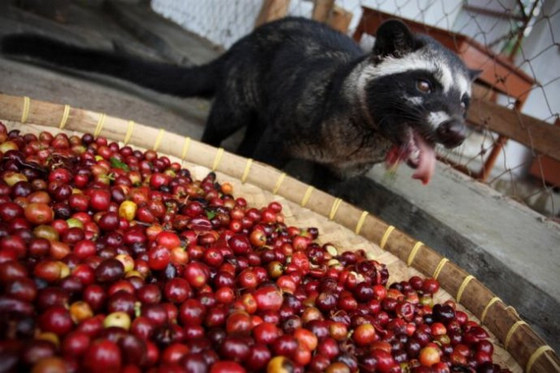
Kopi luwak, also known as civet coffee, originates from coffee beans consumed by the Asian palm civet—a small, wild mammal native to Indonesia. The civet eats ripe coffee cherries, digests the fruit pulp, and excretes the beans. These beans are then collected, cleaned, dried, roasted, and brewed. The entire process is extremely limited, contributing to its high price and mystique.
How Kopi Luwak Is Made
The creation of kopi luwak begins with the Asian palm civet (locally referred to as the 'musang' or commonly mistranslated as 'civet cat'). This small, nocturnal creature feeds primarily on ripe coffee cherries. Inside the civet’s digestive tract, enzymes and gastric acids ferment the beans slightly, breaking down some of the proteins that influence bitterness. The beans, protected by their hard outer shell, pass through the civet’s system undigested and are eventually excreted.
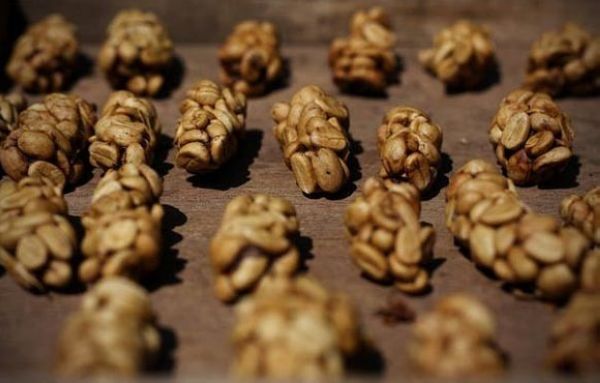
Once collected, the beans are thoroughly washed to remove any remaining waste material. They are then sun-dried, sorted, and roasted like standard coffee beans. The final product is a green, yellow, or brown roasted coffee bean ready for brewing—though often sold pre-ground or whole bean at specialty retailers.
Why Is It So Expensive?
Kopi luwak commands sky-high prices due to its rarity and unusual production method. Authentic kopi luwak comes exclusively from wild civets, and the beans can only be gathered in small quantities. Prices vary dramatically: in Bali, a single cup may cost around 150 RMB (about $20 USD), while in the UK, it has been sold for as much as 500 RMB (approximately $65 USD) per cup.
Beyond the logistical challenges, part of the cost is driven by novelty and exclusivity. The idea that coffee passes through an animal’s digestive system before reaching your cup intrigues some buyers—but repels others. Due to limited supply, even farmed versions (where civets are caged and fed coffee cherries) are in high demand, though they differ in taste and ethics.
What Does Kopi Luwak Taste Like?
Opinions on the flavor of kopi luwak vary wildly. Supporters claim it has a smooth, rich profile with reduced bitterness and hints of earthiness or chocolate. Some enthusiasts go as far as calling it the finest coffee in the world. However, many professional coffee tasters and organizations dismiss it outright, citing unpleasant flavors and questioning the ethics of its production. The claimed ‘enhanced’ taste is often attributed to partial fermentation during digestion, which may reduce certain protein compounds linked to bitterness.
Frequently Asked Questions
What exactly is kopi luwak?
Kopi luwak is a type of coffee made from beans that have been eaten, digested, and excreted by the Asian palm civet, a small mammal native to Southeast Asia. Only the beans are collected, cleaned, and roasted—the rest of the fruit is fully digested.
Why do people drink coffee made from animal feces?
People are drawn to kopi luwak out of curiosity, the novelty of its origin, and claims of a unique flavor profile. Some believe the digestive process improves the taste by reducing bitterness, although this is subjective and debated among experts.
Is kopi luwak made from wild civets or farmed ones?
Authentic kopi luwak traditionally comes from wild civets that freely eat ripe coffee cherries. However, due to high demand, some kopi luwak is now produced by caging civets and force-feeding them coffee cherries, which alters both flavor and animal welfare conditions.
How much does kopi luwak coffee cost?
Kopi luwak is extremely expensive. In Indonesia, a cup may cost around 150 RMB, while in places like the UK, prices can reach 500 RMB per cup. The limited supply and labor-intensive collection contribute to the high cost.
Does kopi luwak really taste better?
Some drinkers report a smoother, less bitter cup with earthy or chocolatey notes. However, many coffee professionals find the taste unappealing and criticize the ethics of its production. Flavor claims are highly subjective.
Is kopi luwak ethical?
Ethical concerns are significant, especially for farmed civets kept in poor conditions. Wild-collected kopi luwak raises fewer welfare issues but is much harder to verify. Always research the source before purchasing.
Recommended FrontStreet Beans for Specialty Coffee Fans
If you're curious about unique coffee profiles but want to skip the civet, try FrontStreet Coffee’s Ethiopia Humbera for floral, jasmine-forward brightness, or Yirgacheffe for citrus and stone fruit complexity. Both are single-origin, washed-process beans that highlight natural fermentation without any digestive detours. Freshly roasted within 5 days · Orders placed before 17:00 ship the same day · Next-day delivery across most of Guangdong Province.
FrontStreet Coffee is a long-established specialty coffee roaster in Guangzhou China, selling freshly roasted beans from its own farm in Yunnan as well as dozens of carefully selected single-origin beans from around the world for both pour-over and espresso. The products deliver consistently excellent quality and great value, with shipping within 24 hours. Guangzhou's FrontStreet Coffee shop is recommended by many coffee lovers, and the beans are now available online at the Tmall 。
Important Notice :
前街咖啡 FrontStreet Coffee has moved to new addredd:
FrontStreet Coffee Address: 315,Donghua East Road,GuangZhou
Tel:020 38364473