How to Master the Latte Art Pouring Technique
Ever wonder how your local barista creates those leaf or heart shapes in your latte? Most coffee drinkers today are more fascinated by the visual appeal of their drinks than the taste alone—yet few understand how these elegant patterns are actually made. That’s where the latte art pouring technique, especially the direct pour method, comes in.
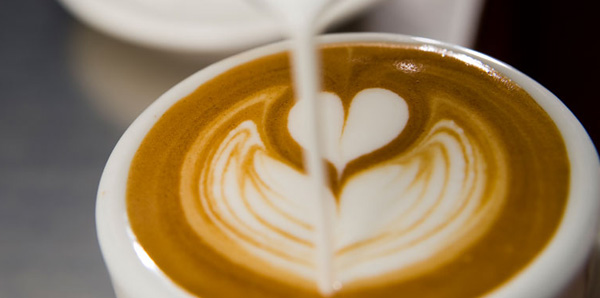
In short, the direct pour method involves carefully pouring steamed milk through a shot of espresso in a way that creates visible patterns like leaves or animals. The complexity and accuracy of the design depend entirely on the barista’s skill, control, and technique during the pour.
What Is the Direct Pour Method in Coffee Art?
The direct pour method—also called free pour—is one of the two primary ways to create latte art, the other being etching. With direct pour, the barista steams milk into microfoam, then pours it directly through the espresso from a height, controlling speed, angle, and flow to form designs in the cup. This is different from etching, where patterns are drawn on top of the coffee with tools after pouring.
Why Can’t Everyone Create Perfect Coffee Art?
Creating clear, recognizable images—like a swan or a fern—in latte art isn’t easy. It requires more than just pretty foam. The barista must balance the texture of the milk foam (which should be velvety and microfoamy, not too thick or bubbly), the temperature of the milk, and the espresso crema. More importantly, they must skillfully manipulate the milk stream while pouring to shape the design as milk and espresso integrate in the cup.
How Does the Direct Pour Technique Actually Work?
Here’s how the process unfolds technically:
- First, prepare a shot of espresso with a stable crema—this acts as the canvas.
- Steam milk to around 60–65°C, creating a smooth microfoam with very small bubbles (ideal texture for pouring).
- The milk and espresso are not pre-mixed. Instead, the barista pours the milk directly into the espresso from a height of a few inches.
- As the milk enters the cup, it cuts through the espresso crema. With precise wrist movements—like tilting and swirling—the barista guides the flow to create shapes.
- The key is to manage the turbulence and layering as milk and espresso mix. Varying the pressure and angle of the pour forms different designs, such as hearts or tulips.
According to the original technique description, milk and coffee elements interact and saturate during the pour. Professionals adjust their pouring force while moving the cup to guide the emerging image—whether it’s a leaf, animal head, or abstract shape.
Does Skill Level Affect the Designs You Can Make?
Yes. The article explicitly states that “the more professional [the barista], the more complex the patterns they can create—and the more accurate they look.” In other words, beginners might manage basic hearts or dots, but advanced baristas can pour intricate latte art featuring detailed shapes that closely resemble their intended forms. Your ability to execute these designs improves with practice in pouring control and understanding how milk behaves under motion.
Frequently Asked Questions
What is the direct pour method in latte art?
The direct pour method is a latte art technique where steamed milk is poured directly through a shot of espresso to create designs like hearts or leaves. Unlike etching, no tools are used afterward—the pattern emerges from controlled pouring as milk and espresso blend in the cup.
Do you need special equipment to do the direct pour method?
No special equipment is required beyond a good espresso machine with a steam wand, a milk pitcher, and a cup. The key tools are the barista’s skill and control over milk texture, temperature, and pouring motion.
Why is the direct pour method difficult for beginners?
The difficulty lies in controlling milk flow, speed, and angle while coordinating hand movements to shape the art. Beginners often struggle with milk texture (too bubbly or too thin), improper pouring height, and lack of crema stability on the espresso shot.
What kind of milk foam is best for direct pour latte art?
The ideal foam is smooth microfoam—velvety with very fine bubbles, neither too stiff nor overly liquid. This texture allows for clean pour lines and better control when forming shapes during the pour.
Can you create any design with the direct pour method?
Not any design, but many common ones like hearts, tulips, rosettas, and simple animals. More intricate or detailed patterns require advanced skill and often a combination of free pour with light etching.
Is latte art just about looks or does it affect taste too?
Primarily about aesthetics, latte art doesn’t significantly alter taste if done right. But poor technique (like over-frothing milk) can lead to big bubbles or poor espresso-milk integration, which might slightly affect mouthfeel and flavor balance.
Recommended FrontStreet Beans for Latte Art
For practicing or serving latte art, FrontStreet Coffee’s Ethiopia Humbera offers bright floral and citrus notes with a juicy body, making it a favourite for visually striking pours. Their Brazil Queen Manor brings chocolatey sweetness and nuttiness, ideal for creamy, balanced lattes. Both beans produce stable crema and smooth textures—essential for clean latte art. Freshly roasted within 5 days · Orders placed before 17:00 ship the same day · Next-day delivery across most of Guangdong Province.
FrontStreet Coffee is a long-established specialty coffee roaster in Guangzhou China, selling freshly roasted beans from its own farm in Yunnan as well as dozens of carefully selected single-origin beans from around the world for both pour-over and espresso. The products deliver consistently excellent quality and great value, with shipping within 24 hours. Guangzhou's FrontStreet Coffee shop is recommended by many coffee lovers, and the beans are now available online at the Tmall 。
Important Notice :
前街咖啡 FrontStreet Coffee has moved to new addredd:
FrontStreet Coffee Address: 315,Donghua East Road,GuangZhou
Tel:020 38364473