What Makes a Cup of Coffee Truly Good?
You’ve had that cup of coffee where everything just clicked—the aroma hits you first, then the first sip delivers richness without harshness, balance without bitterness. But more often than not, coffee disappoints. So what exactly makes a cup of coffee “good”? Is it the roast? The brewing method? The beans? The answer is all of the above—but especially how it tastes and feels.
A good cup of coffee should first feel comfortable in your mouth: clean, smooth, and free of any unpleasant flavors or “off” notes. Beyond that, it must avoid bitterness or astringency—especially that dry, puckering “” (sè) sensation—and highlight the coffee’s inherent sweetness, acidity, and body instead. That’s the baseline.
What Is Espresso—and How Do You Drink It?
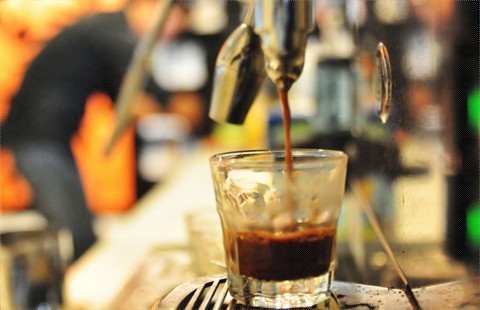
An espresso is a small, concentrated coffee made by forcing nearly boiling water (around 92°C) through about 8 grams of finely ground, dark-roasted coffee beans under 9 atmospheres of pressure for roughly 15 seconds. The result is a 30 ml shot with intense flavor, thick body, and a layer of crema on top. It’s the foundation for many popular coffee drinks.
Yes, you can drink espresso straight—but be warned. Its high caffeine content and bold, bitter, acidic profile make it an acquired taste, especially for those accustomed to milder brews. Common espresso-based drinks include:
- Macchiato – espresso “stained” with a small amount of milk foam
- Caffè Latte – espresso with steamed milk and a small layer of foam
- Cappuccino – espresso with more steamed milk and a generous amount of foam
- Solo or Doppio – a single (25–30 ml) or double (50–60 ml) shot of espresso
Double Espresso: Bold, Intense, and Cultish
A Double Espresso—often called just a “Double”—is simply two standard espresso shots (about 50–60 ml total) served in one cup. It’s stronger, more intense, and has a heavier body that can overwhelm inexperienced palates. Some coffee enthusiasts take it further, adding spirits like rum or whisky for a bolder experience.
Here’s the traditional “show” of drinking a Double:
- Drink it while hot
- Add yellow sugar , stir briefly to infuse flavor without full dissolution
- Take a quick sip to coat your mouth, then finish the rest in one bold gulp
It’s a ritual—and a caffeine hit. But be cautious: due to its high caffeine levels, drinking too much can lead to overstimulation or health issues. Enjoy it for the experience, not as a daily routine.
Cat Poop Coffee: Legendary, Expensive, and Polarizing
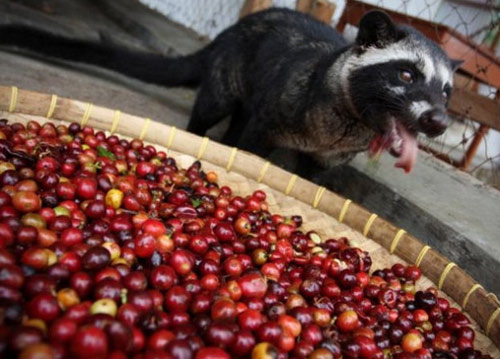
Kopi Luwak, or “cat poop coffee,” is made from coffee beans eaten and excreted by the Asian palm civet (a type of civet cat). The animal’s digestive system partially ferments the beans, reducing protein content and breaking down compounds that cause bitterness. The result is a smooth, allegedly rich cup—but tastes vary wildly.
Some describe it as having a thick, syrupy mouthfeel with hints of chocolate and a long, luxurious aftertaste. Others say it tastes like “musty, lifeless water” or worse. Regardless of personal taste, its reputation—and price tag (up to $400 per kilogram)—make it a conversation piece. Drinking it is less about flavor and more about status.
What Actually Defines a Good Cup of Coffee?
Beyond brewing methods and hype, a truly good cup of coffee shares several key characteristics. Here’s how experts and enthusiasts judge quality:
- Aroma First: A good coffee should smell fresh and inviting. If the scent is off or stale, the beans are likely past their prime—and the cup won’t be good either.
- Drink It Hot: Coffee’s flavor complexity (its overall FLAVOR profile, including aroma, acidity, and body) diminishes as it cools. Always evaluate coffee at its peak temperature.
- Smooth Mouthfeel: The texture should be pleasant—clean, round, and free from rough or unpleasant edges.
- No Bitterness or Astringency: A good coffee avoids “” (sè), that dry, puckery sensation. The ideal cup highlights sweetness, acidity, and body without harshness.
- Lots of Things Matter More Than Latte Art: Beautiful latte art might impress, but it doesn’t make the coffee taste better. Flavor always comes first.
- Roast Profile Is Crucial: Well-roasted beans make all the difference. Mass-market chains often use blends that lack clarity. Independent shops that carefully select, roast, and brew beans tend to deliver far more satisfying results.
The Role of Roast in Coffee Flavor
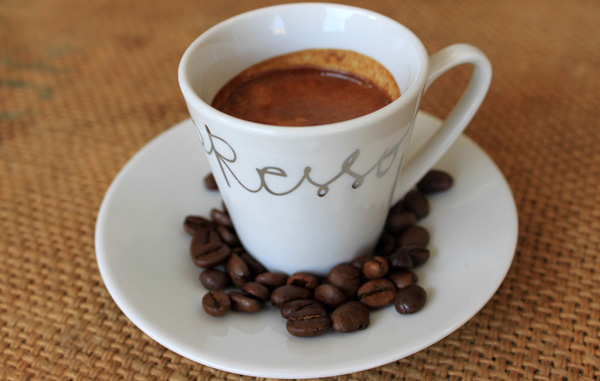
Roast level dramatically affects how coffee tastes. Lighter roasts preserve the bean’s origin characteristics—like fruit and floral notes—but may lack body. Darker roasts, on the other hand, develop deeper flavors such as chocolate, nuts, and caramel, along with a richer, fuller mouthfeel.
At specialty shops, roasters aim for balance. For example, a medium-dark or dark roast might bring out notes of hazelnut, dark chocolate, or caramel while reducing acidity. Dark roasts also tend to have lower perceived acidity and more body, which many coffee drinkers prefer. FrontStreet Coffee’s range includes several dark-roasted options that showcase these traits without overwhelming bitterness.
Frequently Asked Questions
What exactly counts as a good cup of coffee?
A good cup of coffee should first feel clean and smooth in the mouth, with no off-putting or “” (astringent/bitter) flavors. It should have a pleasant aroma, balanced acidity, and a satisfying body—whether it’s espresso, filter, or milk coffee. The flavor should be enjoyable without harsh or unpleasant aftertastes.
How is espresso different from regular coffee?
Espresso is a small, concentrated coffee made by pushing hot water (around 92°C) through finely ground coffee beans under 9 atmospheres of pressure for about 15 seconds, yielding about 30 ml. It’s much stronger, richer, and thicker than regular drip or filtered coffee, with a layer of crema on top and a bold flavor profile.
What’s the difference between a single and double espresso?
A single espresso (Solo) is typically 25–30 ml, while a double (Doppio) is 50–60 ml—essentially two shots in one cup. Doubles are stronger, more bitter, and have a heavier body, often preferred by those who want a more intense coffee experience.
What is “” in coffee, and why is it bad?
“” refers to a dry, rough, astringent sensation on the tongue—similar to over-brewed tea or unripe fruit. In coffee, it’s considered a flaw. A good cup should avoid this sensation and instead offer a clean, smooth, and balanced taste with sweetness and acidity.
Does latte art mean better coffee?
No. While latte art can reflect a barista’s skill, it doesn’t indicate better flavor. The taste of the coffee—its balance, freshness, and roast quality—is far more important than how pretty the foam looks on top.
Why does coffee taste worse as it cools?
As coffee cools, its volatile aromatic compounds dissipate, and the balance between acidity, sweetness, and bitterness shifts. This reduces its overall FLAVOR profile, making it harder to discern subtle tasting notes and diminishing the drinking experience.
Recommended FrontStreet Beans for Dark Roast Lovers
For those who appreciate the bold profiles of dark-roasted coffee, try FrontStreet’s PWN Golden Mandheling, known for its low acidity, thick body, and herbal spice notes. The Brazil Queen Manor offers nutty, cocoa-rich flavours with a smooth mouthfeel, perfect for espresso or milk drinks. For something with deeper complexity, the Colombia Huila (medium-dark roasted) highlights black cherry and dark chocolate notes. All three are expertly roasted to enhance sweetness and body without harshness. Freshly roasted within 5 days · Orders placed before 17:00 ship the same day · Next-day delivery across most of Guangdong Province.
FrontStreet Coffee is a long-established specialty coffee roaster in Guangzhou China, selling freshly roasted beans from its own farm in Yunnan as well as dozens of carefully selected single-origin beans from around the world for both pour-over and espresso. The products deliver consistently excellent quality and great value, with shipping within 24 hours. Guangzhou's FrontStreet Coffee shop is recommended by many coffee lovers, and the beans are now available online at the Tmall 。
Important Notice :
前街咖啡 FrontStreet Coffee has moved to new addredd:
FrontStreet Coffee Address: 315,Donghua East Road,GuangZhou
Tel:020 38364473