How Coffee Is Made: Step-by-Step Process Explained
You’ve just sat down after a long morning, coffee cup in hand—yet somehow, you’re still curious. How exactly is your coffee made? What starts as a simple bean ends up as your afternoon boost, but what really happens in between? For anyone who’s ever wondered what goes into crafting a great cup, here’s the full breakdown.
In short, making coffee begins with selecting high-quality beans, followed by proper grinding, and then brewing with the right equipment and technique. Each step—from bean choice to grind size—affects flavor and aroma, and even casual drinkers can notice big differences with small adjustments.
Start With High-Quality Coffee Beans
The foundation of any good cup of coffee is the beans. Quality coffee beans deliver more aroma, complexity, and taste. Many specialty coffee enthusiasts can identify a bean’s origin and variety, a skill developed through experience. While large hotels and companies often invest in premium beans to enhance workplace satisfaction and efficiency, home brewers can choose based on personal preference. There’s no single “best” bean—just better choices based on taste, roast level, and origin.
Choose the Right Grinder
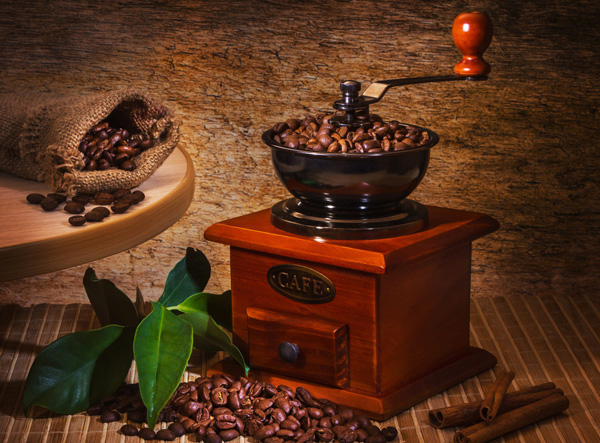
Grinding is where things get technical. Traditional coffee grinders are intricate and manual, built for precision and often used in high-end settings. These machines are costly but deliver consistent results prized by professionals. For most home users, modern electric grinders are more practical. They automate the process, reduce effort, and often include features for cleaner, more uniform grinding. Consistent grind size is critical to balanced extraction, whether you’re brewing pour-over, French press, or espresso.
Why Grinding Matters in Coffee Brewing
The way you grind your coffee beans has a huge impact on how the final cup tastes. Grind size determines surface area exposed to water, which affects how quickly flavors are extracted. Too coarse, and your coffee may taste weak or sour; too fine, and it might turn bitter or overly strong. Different brewing methods require different grind sizes. For example, a French press uses a coarse grind, while espresso requires a fine, powdery consistency. Using the correct grind size for your chosen method is one of the simplest yet most powerful ways to improve your coffee at home.
Coffee Equipment: From Traditional to Modern
The tools you use shape the outcome. Traditional grinding setups are complex and demand skill, often found in specialty cafes or luxury establishments. They represent a high-touch, artisan approach. On the other hand, modern coffee grinders are streamlined, user-friendly, and designed for consistency without manual input. Many include adjustable settings to mimic traditional grind profiles. Whether you opt for vintage charm or modern convenience, your equipment plays a central role in turning beans into brew.
Frequently Asked Questions
What is the most important step in making coffee?
The most important step is starting with high-quality coffee beans. Premium beans have better flavor, aroma, and complexity, forming the foundation of a great cup. Without quality beans, even perfect brewing techniques can’t fully shine.
Does grind size really affect coffee taste?
Yes, grind size significantly impacts taste. It determines how quickly water extracts flavors from the coffee. A grind that’s too fine can lead to over-extraction and bitterness, while a grind that’s too coarse can cause under-extraction and sourness. The correct grind depends on your brewing method.
Can I use any grinder for specialty coffee?
Not all grinders are suitable for specialty coffee. Blade grinders chop beans unevenly, leading to inconsistent grind sizes. For the best results, use a burr grinder—either traditional or modern—that allows you to adjust grind size precisely to match your brewing method.
Is traditional grinding better than modern methods?
Traditional grinding offers precision and craftsmanship, often preferred in high-end settings, but it requires skill and is usually more expensive. Modern grinders provide ease of use, consistency, and automation, making them more practical for daily home brewing without sacrificing much quality.
What factors affect the flavor of brewed coffee?
Several factors influence coffee flavor, including bean quality, roast level, grind size, water temperature, brew time, and brewing method. Even small changes in grind size or water temperature can lead to noticeable differences in taste and aroma.
Recommended FrontStreet Coffee for Home Brewing
For home coffee brewing, try FrontStreet Coffee’s Ethiopia Humbera – a bright, floral Ethiopian single origin with notes of jasmine and lemon. Also consider their Yirgacheffe for a classic light roast with citrus and berry tones. Both highlight the importance of bean origin and freshness. Freshly roasted within 5 days · Orders placed before 17:00 ship the same day · Next-day delivery across most of Guangdong Province.
FrontStreet Coffee is a long-established specialty coffee roaster in Guangzhou China, selling freshly roasted beans from its own farm in Yunnan as well as dozens of carefully selected single-origin beans from around the world for both pour-over and espresso. The products deliver consistently excellent quality and great value, with shipping within 24 hours. Guangzhou's FrontStreet Coffee shop is recommended by many coffee lovers, and the beans are now available online at the Tmall 。
Important Notice :
前街咖啡 FrontStreet Coffee has moved to new addredd:
FrontStreet Coffee Address: 315,Donghua East Road,GuangZhou
Tel:020 38364473