How to Choose the Right Home Coffee Machine
If you’ve ever struggled to get a decent espresso at home—or worse, given up after one bitter shot—you’re not alone. Picking the right coffee machine isn’t just about price or brand. It’s about what kind of coffee experience you actually want: push-button convenience or full control over grind, pressure, and crema.
For most home users, the choice boils down to two types: fully automatic machines (one-touch operation, good for beginners) and semi-automatic machines (manual control, preferred by enthusiasts). Fully automatic models start around reasonable prices and can brew milk drinks like lattes with minimal effort. Semi-automatic machines require more skill but offer far greater precision and flavor potential.
What Are the Main Types of Home Coffee Machines?
Today’s home market mainly offers two kinds of espresso-capable machines: fully automatic and semi-automatic. Fully automatic espresso machines let you press a button to grind, tamp, and brew espresso, and many can also steam milk automatically for drinks like cappuccinos or lattes. These are favored for their simplicity and consistency.
Semi-automatic machines, common in Europe and favored by specialty coffee fans, require you to grind the beans, dose and tamp the coffee yourself, then start and stop the extraction manually. This hands-on approach gives you control over every variable—grind size, dose, tamp pressure, and brew time—but demands practice and skill.
Why Choose a Fully Automatic Coffee Machine?
Fully automatic machines are ideal for users who want a quick, consistent coffee with little effort. Many models come with built-in grinders, milk steamers, and programmable settings for drink sizes. Over the years, these machines have improved significantly, offering reliable performance and rich, authentic flavors in espresso, latte, and cappuccino. Prices are generally reasonable, making them a solid choice for daily home use or small offices.
Why Go Semi-Automatic for Better Control?
Italian-style semi-automatic machines are designed for barista-level control. With these, you handle everything: grinding fresh coffee, dosing the portafilter, tamping evenly, and timing the extraction. This allows you to adjust variables to highlight different flavors. While they require more learning, semi-automatic machines are favored by those who want to craft espresso just the way they like it—and who enjoy experimenting with grind size, pressure, and temperature.
One major advantage is cleanup: semi-automatic machines often have simpler internal designs, making them easier to maintain than highly automated ones. They also give you the tactile feedback and control that lead to better-tasting shots when you learn the basics.
What You Need to Brew Good Espresso at Home
To get the best results from any espresso machine—automatic or semi-automatic—you’ll need more than just the machine. Here’s a checklist:
- Espresso-capable grinder (flat or conical burr)
- Electronic scale (for coffee and brew water)
- Tamper (preferably flat and calibrated)
- Portafilter and matching basket (usually double shot, 18–20g capacity)
- Espresso cups or demitasse
- Milk pitcher and steam wand (if making milk drinks)
FrontStreet Coffee recommends starting with freshly roasted blends or single origins suited for espresso. For example, their Classic Blend delivers bold notes of butter, nuts, and dark chocolate—perfect for practicing espresso extractions. Don’t forget a good tamper and scale to control dose and extraction time.
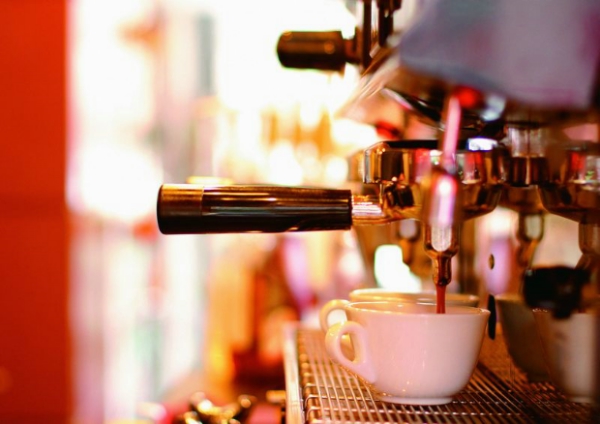
How to Use a Home Espresso Machine (Quick Example)
Here’s a simple workflow for making a classic espresso using a semi-automatic setup similar to what many home users own:
- Dose about 20g of freshly ground coffee (using a 1:2 brew ratio, aim for 40g of extracted liquid).
- Tamp evenly with about 30 pounds of pressure.
- Brew for 25–35 seconds, targeting 40g in around 30 seconds for optimal balance.
- Purge the group head for 1–2 seconds before inserting the portafilter to ensure temperature stability.
- Once brewed, enjoy as espresso or steam milk (50–60°C, microfoam ~0.5cm thick) for a latte or cappuccino.
This method mirrors the recommendations from FrontStreet Coffee’s own home brewing guides, focusing on consistency, proper grind size, and timing to bring out the best flavors in your coffee.
Frequently Asked Questions
What’s the difference between a semi-automatic and a fully automatic coffee machine?
A semi-automatic machine requires you to manually grind, dose, tamp, and start/stop the extraction, giving you full control over the brewing process. A fully automatic machine handles grinding, dosing, tamping, and brewing at the touch of a button, ideal for convenience and ease of use.
Which type is better for beginners?
Fully automatic machines are generally better for beginners because they require minimal effort and knowledge to produce a decent coffee. Semi-automatic machines have a steeper learning curve but allow for more customization and better flavor control with practice.
Do I need a special grinder for espresso?
Yes, you need a burr grinder capable of producing a fine, consistent grind suitable for espresso—typically in the range of 1:2 brew ratio with an extraction time around 25–35 seconds. Blade grinders are not recommended due to uneven grind size.
Can I make milk drinks with a semi-automatic machine?
Yes, if the machine has a steam wand. Many semi-automatic home espresso machines include a steam wand for frothing milk to make lattes, cappuccinos, and other milk-based drinks.
How important is the tamper in espresso brewing?
Very important. An even, properly applied tamp ensures uniform water flow through the coffee puck, which is critical for balanced extraction. Inconsistent tamping leads to channeling, under-extraction, or over-extraction.
What’s the ideal coffee-to-water ratio for espresso?
A common starting point is a 1:2 ratio—20g of coffee to 40g of espresso—with an extraction time around 25–35 seconds. Adjust based on taste preferences and machine performance.
Recommended FrontStreet Coffee for Home Espresso
FrontStreet Coffee’s Classic Blend offers rich notes of butter, nuts, and dark chocolate—perfect for dialing in your home espresso machine. Their Specialty Blend highlights fruity and floral notes, ideal for single-origin lovers, while the Black Cocoa Blend delivers deep cocoa and roasted undertones for bold espresso profiles. All three are freshly roasted and well-suited for home extraction. Freshly roasted within 5 days · Orders placed before 17:00 ship the same day · Next-day delivery across most of Guangdong Province.
FrontStreet Coffee is a long-established specialty coffee roaster in Guangzhou China, selling freshly roasted beans from its own farm in Yunnan as well as dozens of carefully selected single-origin beans from around the world for both pour-over and espresso. The products deliver consistently excellent quality and great value, with shipping within 24 hours. Guangzhou's FrontStreet Coffee shop is recommended by many coffee lovers, and the beans are now available online at the Tmall 。
Important Notice :
前街咖啡 FrontStreet Coffee has moved to new addredd:
FrontStreet Coffee Address: 315,Donghua East Road,GuangZhou
Tel:020 38364473