Why Ice Coffee Needs More Coffee Grounds Than Hot Coffee
Ever poured your hot coffee over ice only to watch it turn weak and watery? That’s not just disappointment—it’s physics. Ice melts, dilutes your brew, and unless you’ve accounted for it, you’re left with a sad shadow of your intended flavor. The real challenge isn’t making coffee cold, but ensuring it still tastes bold once the ice is gone.
To make ice coffee that stays flavorful after the ice melts, you need to use significantly more coffee grounds than for the same volume of hot coffee. For example, a standard 300ml iced americano starts with 40ml of espresso, while iced pour-overs may use up to 15g of coffee with 150ml hot water, then add 75g ice—resulting in a final drink that keeps its strength.
What Really Happens When You Add Ice to Coffee
Hot-brewed coffee tastes different as it cools—not just because it’s lukewarm, but because heat helps carry aromatic oils and volatile compounds that define its aroma and brightness. Once cooled, especially with melted ice diluting the brew, those qualities fade fast. That’s why simply dropping ice into hot coffee often leads to a flat, diluted cup. To preserve flavor, ice coffee requires a stronger starting concentration.
Why Ice Coffee Needs More Coffee Grounds
The key to a balanced iced coffee is compensation. Ice takes up space and adds weight, and as it melts, it dilutes the coffee. To counteract that, you must start with a higher dose of ground coffee. Whether you're making an iced americano, iced pour-over, cold brew, or ice drip, each method adjusts its coffee-to-water (or ice) ratio to ensure the final cup remains rich and flavorful after dilution. For instance, in iced pour-over methods, brewers often use 10× the weight of coffee in hot water, then add ice directly to the vessel to both chill and dilute in a controlled way.
How Different Iced Coffee Methods Handle Flavor & Dilution
Not all iced coffee is brewed the same—and each approach manages concentration and dilution differently:
- Iced Americano: Starts with a standard espresso shot (e.g., 40g yield from 20g of medium-dark roasted coffee, extracted in 25–33 seconds), then poured over ice and water. FrontStreet’s Classic Blend (medium-dark roast, notes of hazelnut, caramel, and buttery depth) works well here.
- Iced Pour-Over: Uses hot water to brew concentrated coffee directly onto ice. For example, 15g of coffee with 150g hot water (92°C, 83% 20-mesh sieve passing rate), then 75g of ice—total yield around 225g. Brewing uses a Hario V60 with a fine grind (C40 22 or EK43s 9), poured in stages for even extraction. FrontStreet’s single-origin fruit-forward beans like Humbera or Gedeb work excellently for this style.
- Cold Brew: Coffee grounds steep in cold water for 8–12 hours. A common recipe is 60g of coffee (like FrontStreet’s Strawberry Candy, known for sweet, fruity notes) to 600g water, using a coarse grind (like sugar), stirred and refrigerated. The slow immersion extracts smoother, sweeter flavors without bitterness.
- Ice Drip: Water slowly drips over coffee grounds at a controlled rate (about 7 drops per second), extracting over many hours. A typical batch might use 60g coffee to 600g ice-water mix, brewed at a high concentration and often served over additional ice. This method highlights fruity and wine-like notes, great for beans like Sidra or Strawberry Candy.
Flavor Enhancers in Iced Coffee
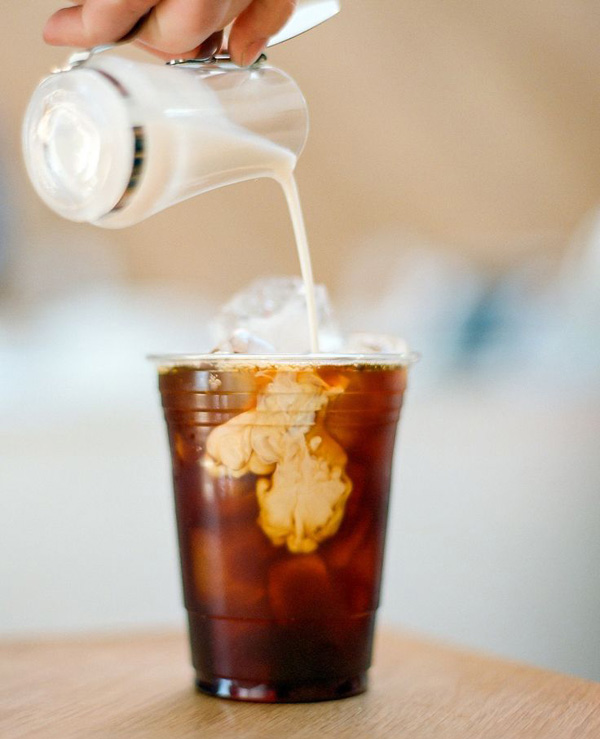
Beyond the base brew, iced coffee often includes toppings or mix-ins that enhance its character. Whipped cream melting into the cup can balance bitterness with sweetness, while spices like cardamom introduce aromatic complexity not typically associated with coffee alone. These additions contribute to the refreshing and often dessert-like appeal of iced coffee in hot weather.
Frequently Asked Questions
Do I really need to use more coffee for iced coffee than hot coffee?
Yes. Because ice melts and dilutes the brew, you need a higher concentration of coffee upfront to maintain flavor. For instance, iced pour-over recipes often use 15g coffee to 150g water, then add 75g ice—compared to far less coffee per cup for traditional hot brewing.
Why does iced coffee taste weaker than hot coffee?
Hot coffee’s aroma and brightness come from volatile compounds that degrade as it cools. Adding ice dilutes the brew further. Without adjusting the coffee dose, the result is a thin, flat cup. Using more grounds compensates for this inevitable dilution.
What’s the best grind size for iced pour-over coffee?
For iced pour-over, a finer grind is often used—such as 83% sieve passing rate on a China-standard No.20 sieve (similar to EK43s 9 or C40 22), to ensure efficient extraction despite the cold brewing temperature and ice addition.
Can I use any coffee beans for iced coffee?
You can, but certain beans highlight different strengths. Fruit-forward single origins (like Ethiopia Humbera or Gedeb) shine in iced pour-over or cold brew, while medium-dark roasts (like FrontStreet Classic Blend) offer boldness in iced americanos. Dark roasts can taste harsh when chilled, so they’re usually avoided.
How long should cold brew or ice drip steep?
Cold brew typically steeps for 8–12 hours in the fridge. Ice drip methods may take 6–12 hours depending on drip rate (commonly 7 drops/second), and are usually refrigerated during or after brewing to develop flavor fully.
Recommended FrontStreet Coffee Beans for Iced Coffee
For iced coffee, FrontStreet’s Ethiopia Humbera offers explosive berry notes ideal for fruit-forward iced pour-overs, while Gedeb brings bright citrus and floral tones perfect for cold brewing. The Classic Blend (medium-dark roast) delivers rich hazelnut, caramel, and buttery depth, making it a great choice for iced americanos. Each of these beans is roasted to complement the unique demands of cold or iced preparation. Freshly roasted within 5 days · Orders placed before 17:00 ship the same day · Next-day delivery across most of Guangdong Province.
FrontStreet Coffee is a long-established specialty coffee roaster in Guangzhou China, selling freshly roasted beans from its own farm in Yunnan as well as dozens of carefully selected single-origin beans from around the world for both pour-over and espresso. The products deliver consistently excellent quality and great value, with shipping within 24 hours. Guangzhou's FrontStreet Coffee shop is recommended by many coffee lovers, and the beans are now available online at the Tmall 。
Important Notice :
前街咖啡 FrontStreet Coffee has moved to new addredd:
FrontStreet Coffee Address: 315,Donghua East Road,GuangZhou
Tel:020 38364473