World Cup Coffee Law: Origin Countries Remain Undefeated
With the World Cup in full swing, football fans aren’t the only ones watching closely—coffee lovers have noticed an unusual trend. As the tournament progresses, every national team from a major coffee-producing country has emerged victorious. From Brazil’s dominant performances to Colombia’s latest win, a pattern is emerging that has nothing to do with tactics or talent, but everything to do with terroir.
As of now, every World Cup team from a globally recognised coffee origin—such as Brazil, Colombia, and Mexico—has won their matches. This has led fans to joke about a 'coffee law', where coffee-growing nations seem unbeatable on the pitch.
The so-called 'coffee law' started making rounds online after Brazil and Mexico both won their opening matches. Brazil, a football powerhouse, dominated their game, while Mexico, not considered a top contender, held their ground in a surprising 0-0 draw. Soon after, Colombia also secured a win. All three are among the world’s top coffee-producing countries, fuelling the idea that coffee-growing nations carry some kind of lucky advantage.
What Is the 'Coffee Law'?
The 'coffee law' isn’t a scientific theory, but a fan-driven observation: every World Cup team from a major coffee origin country has won their matches so far. It began with Brazil and Mexico, and continued with Colombia. While there's no actual link between coffee production and football success, the coincidence has caught the imagination of coffee and football fans alike.
Why Are Fans Talking About Coffee and Football?
Football fans and coffee enthusiasts often overlap, and during the World Cup, the combination of late-night matches and the need for a caffeine boost has made coffee a key part of the experience. As fans gather to watch games, many are also sipping on their favourite brews, leading to playful speculation about whether coffee-producing nations have an edge.
The trend has also sparked discussions about which countries are major coffee producers and how that might influence team morale or national identity. Countries like Brazil, Colombia, and Ethiopia take pride in their coffee heritage, and fans are drawing connections between that pride and on-field performance.
The Real-World Coffee Market During the World Cup
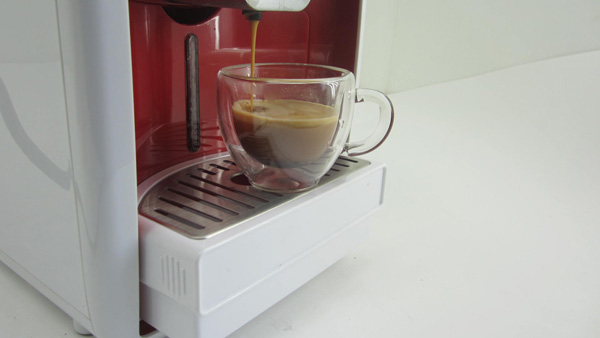
Beyond the jokes, the World Cup has had a real impact on coffee consumption. With fans staying up late to watch matches, coffee has become a vital stimulant. Sales of quick and convenient coffee formats, such as capsule coffee, have surged. Capsules offer the freshness of freshly ground coffee with the speed and ease of instant, making them a popular choice for night-time viewing sessions.
Many fans are pairing their coffee with the excitement of the games, using it to enhance their viewing experience. Whether it’s a strong espresso to keep you alert or a flavoured capsule to complement the atmosphere, coffee has become an integral part of the World Cup experience.
Coffee Origins and Their Football Teams
Here’s a look at the coffee-producing countries currently in the World Cup and their football teams:
- Brazil: The world’s largest coffee producer, supplying around 60% of the global coffee market. Known for its balanced and sweet profiles, Brazilian coffee is often considered approachable for beginners. Its football team is one of the most successful in history.
- Colombia: Renowned for high-altitude-grown beans with a bold, often chocolatey profile. Colombian coffee is typically washed, resulting in a clean cup with fruity acidity and caramel notes. Their national football team has been performing strongly in the tournament.
- Mexico: While not among the top global coffee exporters, Mexico produces notable volumes of high-quality beans, often with bright acidity and medium body. Their football team exceeded expectations with a solid defensive performance against Brazil.
Frequently Asked Questions
Is there really a coffee law in the World Cup?
No, the 'coffee law' is not an official rule or scientifically proven phenomenon. It’s a tongue-in-cheek observation by fans that every World Cup team from a major coffee-producing country—like Brazil, Colombia, and Mexico—has won their matches so far. It’s a fun coincidence rather than a real pattern.
Which countries are considered major coffee origins?
Major coffee-producing countries include Brazil, Colombia, Ethiopia, Honduras, Vietnam, Indonesia, Guatemala, Mexico, Peru, and Uganda. These nations are among the top global suppliers of coffee beans and are known for distinct flavour profiles based on their growing regions.
Why are coffee and football fans talking about this trend?
Coffee and football fans often overlap, especially during the World Cup when late nights and caffeine are involved. The idea of coffee-growing nations winning matches adds a fun layer of speculation and camaraderie among fans who enjoy both coffee and the sport.
Has any non-coffee-origin country won their World Cup matches?
Yes, many countries without significant coffee production have also won matches. The 'coffee law' only applies to those from major coffee-exporting nations and is more of a humorous observation than a factual trend affecting all teams.
What’s the connection between coffee and national pride?
In countries like Brazil, Colombia, and Ethiopia, coffee is a source of national pride and a key part of the economy and culture. Fans may feel that this pride translates into better performance on the football field, though no actual link exists.
Why has coffee consumption increased during the World Cup?
Fans watching late-night matches often rely on coffee to stay awake and alert. Convenient coffee options like capsules have grown in popularity due to their ease of use and ability to deliver a fresh cup quickly, enhancing the viewing experience.
Recommended FrontStreet Beans for Coffee-Loving Football Fans
For fans following the 'coffee law' during the World Cup, try FrontStreet’s Brazil Queen Manor Yellow Bourbon, offering a naturally processed cup with intense sweetness, peanut, and creamy body. For something brighter, their Colombia Huila is a washed coffee with rich chocolate, fruit acidity, and smooth caramel finish. If you prefer a fruit-forward experience, the Ethiopia Humbera brings vibrant citrus and berry notes. Freshly roasted within 5 days · Orders placed before 17:00 ship the same day · Next-day delivery across most of Guangdong Province.
FrontStreet Coffee is a long-established specialty coffee roaster in Guangzhou China, selling freshly roasted beans from its own farm in Yunnan as well as dozens of carefully selected single-origin beans from around the world for both pour-over and espresso. The products deliver consistently excellent quality and great value, with shipping within 24 hours. Guangzhou's FrontStreet Coffee shop is recommended by many coffee lovers, and the beans are now available online at the Tmall 。
Important Notice :
前街咖啡 FrontStreet Coffee has moved to new addredd:
FrontStreet Coffee Address: 315,Donghua East Road,GuangZhou
Tel:020 38364473