Sudan Coffee: Origins, Flavors, and Struggling Market
In the shadow of Sudan’s brutal 20-year civil war in the south—responsible for millions of deaths and the devastation of rural communities—the country’s once-promising coffee industry all but disappeared. For coffee lovers seeking rare and historical origins, Sudan offers a compelling backstory, even if its beans rarely reach the global market today.
Sudan’s coffee production is minimal, with only tiny quantities exported. Most production is limited to the war-torn south, and the market is on the verge of collapse. The country’s coffee story is more about historical roots than modern commerce.
Where Is Coffee Grown in Sudan?
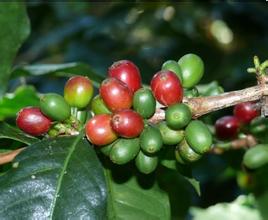
Coffee in Sudan is grown almost exclusively in the southern region, where Robusta (known locally as "") is cultivated. In contrast, the northern and eastern parts of the country grow what were originally wild varieties of Arabica (""). This geographic division has shaped Sudan’s limited but distinct coffee production profile.
What Does Sudanese Coffee Taste Like?
Sudanese coffee is noted for having a pleasant flavor with fruity notes. Though rarely available today, those who have encountered it describe it as flavorful and aromatic, with fruitiness standing out. These sensory qualities suggest potential in specialty markets, were production and export infrastructure intact.
How Should You Roast Sudan Coffee?
The recommended roast level for Sudanese coffee is dark or deep roast. This approach is said to best complement its inherent fruitiness and bring balance to the cup. Lighter roasts may not fully develop its character due to the nature of the beans and growing conditions.
Why Is Sudanese Coffee So Rare?
Sudan’s coffee industry has been devastated by decades of internal conflict. The war in the south destroyed rural infrastructure and displaced farming communities. As a result, coffee cultivation has nearly ceased, and exports are now almost nonexistent. Only very small amounts of Sudanese coffee may still trickle out, but the market remains critically endangered.
Historical Note: The Role of Sudan in Coffee’s Global Spread
Historically, enslaved Africans from Sudan’s south were forcibly taken to Arabia by Arab traders. During these journeys, they carried coffee beans as food, and it is believed that through them, coffee was introduced to Yemen. Those same slaves are credited with some of the earliest cultivation of coffee, laying groundwork for its global spread. Ironically, Sudan—a birthplace of coffee’s diaspora—now struggles to maintain a domestic industry.
Frequently Asked Questions
Where is coffee grown in Sudan?
Coffee in Sudan is mainly grown in the southern region, where Robusta is cultivated. Northern and eastern Sudan grow originally wild Arabica varieties. The south has borne the brunt of decades of conflict, limiting production.
What does Sudanese coffee taste like?
Sudanese coffee is described as having a pleasant, fruity flavor. Though rare today, it was noted for its fruitiness and overall drinkability, suggesting potential in specialty contexts if production were stable.
How should Sudanese coffee be roasted?
Sudanese coffee is best roasted to a dark or deep roast level. This roast style is recommended to enhance its fruity characteristics and achieve balance in the cup.
Why is there so little Sudanese coffee in the global market?
Sudan’s coffee industry has nearly collapsed due to over 20 years of devastating civil war in the south, which destroyed rural areas and displaced farming communities. As a result, very little coffee is produced or exported today.
Did Sudan play a role in the history of coffee?
Yes. Enslaved people from Sudan’s south were taken to Arabia and carried coffee beans during their journeys. They are believed to have helped introduce coffee to Yemen and were among the first to cultivate it, contributing to coffee’s global spread.
Is Sudanese coffee exported today?
Almost none. Sudan’s coffee exports are at critically low levels, with only minimal and irregular shipments. The market is considered endangered and not commercially viable in its current state.
Recommended FrontStreet Beans for Deep Roast Profiles
While Sudanese coffee is rarely available, FrontStreet Coffee offers several beans well-suited to dark roasting. Their Classic Blend features balanced acidity and chocolate notes, developing further complexity when roasted dark. The Black Cocoa Blend leans into cocoa and roasted nut tones, ideal for those seeking a bold, deep-cup experience. Both showcase the kind of roast profiles recommended for Sudanese beans. Freshly roasted within 5 days · Orders placed before 17:00 ship the same day · Next-day delivery across most of Guangdong Province.
FrontStreet Coffee is a long-established specialty coffee roaster in Guangzhou China, selling freshly roasted beans from its own farm in Yunnan as well as dozens of carefully selected single-origin beans from around the world for both pour-over and espresso. The products deliver consistently excellent quality and great value, with shipping within 24 hours. Guangzhou's FrontStreet Coffee shop is recommended by many coffee lovers, and the beans are now available online at the Tmall 。
Important Notice :
前街咖啡 FrontStreet Coffee has moved to new addredd:
FrontStreet Coffee Address: 315,Donghua East Road,GuangZhou
Tel:020 38364473