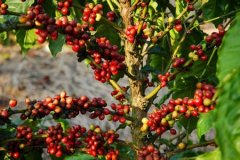
Understanding Pleasant Acidity in Specialty Coffee
If your morning cup tastes more like vinegar than fruit, you're not alone—many coffee drinkers struggle to tell sharp, unpleasant sourness from the bright, refreshing acidity that makes specialty coffee so enjoyable. If your first thought when you hear 'acidic coffee' is to cringe, you’re missing out on one of the most celebrated traits in high-quality beans. But how do you know whether the tang in your cup is a defect or a delight?
The difference between good and bad acidity in coffee comes down to origin, roast level, and brewing technique. Good acidity feels vibrant and juicy—like citrus or stone fruit—while bad acidity stings, often tasting sharp or sour on the sides of the tongue. Most untrained palates confuse this with bitterness or under-extraction, but the truth is more nuanced.
What Is Acidity in Coffee?
Acidity in coffee isn’t about pH—it’s a sensory quality. Think of it as the lively, bright sensation that makes a coffee taste fresh, not flat. All coffee contains natural acids, especially chlorogenic acids, which break down during roasting into various flavor compounds including quinic and citric acids. These contribute to the wine-like or fruity notes that define many high-scoring coffees. Lighter roasts preserve more of these acids, while darker roasts mute them through prolonged heat.
Good Acidity vs. Bad Acidity
Not all acidity is created equal. Pleasant acidity is often described as 'bright,' 'juicy,' or 'clean.' It hits the front and middle of the tongue and might remind you of lemon, green apple, or berries. In contrast, bad acidity feels sharp, sour, or overly tart—like under-ripe fruit or vinegar. This kind of acidity often results from under-extraction, too low a brewing temperature, or using beans that were roasted too lightly for their processing method. It tends to dominate the cup and can cause discomfort on the sides of the tongue and the back of the throat.
How Roast Level Affects Acidity
Roast level plays a huge role in how acidic your coffee tastes. Light roasts retain the highest levels of natural acids, giving them a vibrant, complex acidity. As roast intensity increases, those acids degrade, especially around 220°C (428°F) and above, leading to lower perceived acidity in medium and dark roasts. That’s why dark roasts often taste smoother and less tangy—but also less dynamic. For bright, acid-forward profiles, look for light to light-medium roasts, especially from high-altitude origins known for their natural acidity, such as Ethiopia or Kenya.
Tasting Terms That Describe Acidity and Flavor
Specialty coffee professionals use specific terms to describe acidity and its interaction with other flavor attributes:
- Clean: A cup free of off-flavors, distractions, or wild characteristics—just pure, transparent flavors.
- Balanced: No single attribute (like acidity or sweetness) overwhelms the others. All elements exist in harmony.
- Body (Mouthfeel): The physical weight and texture of coffee in your mouth, from thin like water to thick like syrup. Related to soluble fiber and lipid content.
- Complexity: The layering of different flavors and aromas in a single cup. More complexity means more tasting notes and sensory shifts.
- Depth: A subjective sense of richness or emotional resonance beyond basic taste—often tied to origin character or processing finesse.
- Acidity: The vibrant, tart quality in coffee, often fruity or floral, and never the same as sourness or low pH. It lifts the cup and adds clarity.
- Sour: An unpleasant, sharp taste usually from under-extracted or poorly processed beans, concentrated on the back of the tongue.
- Sweet: Can mean actual sucrose-like taste or a syrupy, smooth mouthfeel found in well-developed medium roasts.
- Bitter: A sensation mostly felt at the back of the tongue, common in dark roasts or over-extracted brews.
- Smooth: Low in both acidity and bitterness, easy to drink black—often associated with balanced espresso.
Other flavor descriptors like fruity, floral, winey, juicy, or bright often correlate with positive acidity, whereas earthy, dirty, briny, or harsh suggest undesirable flavors or processing flaws.
Why Some People Dislike Acidic Coffee
Many coffee drinkers grew up with dark-roasted blends where acidity has been roasted out. When they try a bright Ethiopian or Kenyan coffee, the acidity can feel overwhelming—especially when paired with bitterness, which most people are used to balancing with milk or sugar. Sweetness helps tame acidity, which is why adding a touch of sugar can make a bright cup more approachable without muting its aromatics the way milk does.
Frequently Asked Questions
What’s the difference between acidity and sourness in coffee?
Acidity is a pleasant, vibrant quality that adds brightness and complexity, often tasting like citrus or stone fruit. Sourness is an unpleasant, sharp sensation usually caused by under-extraction, too-light roasting, or defective beans, and it often tastes like vinegar or under-ripe fruit.
Does roasting reduce coffee acidity?
Yes. Lighter roasts preserve more natural acids, resulting in higher perceived acidity. As roast levels darken, Maillard reactions and heat break down those acids, especially around 220°C (428°F), leading to a smoother, less tangy cup.
How can I tell if my coffee has good acidity?
Good acidity tastes juicy, bright, and refreshing—like lemon, green apple, or berries. It should feel lively on the tip and front of your tongue, not stingy or sharp on the sides or back. It complements sweetness and body without overwhelming them.
Why does my coffee taste sour?
Sour coffee usually results from under-extraction (too short brew time, too coarse grind, or too cold water), under-roasting, or using beans that weren’t properly processed. It often tastes sharp or vinegary and is concentrated on the back of the tongue.
Can acidity in coffee be pleasant?
Absolutely. In fact, bright acidity is one of the most prized qualities in specialty coffee. When well-balanced, it adds dimension, freshness, and a juicy mouthfeel that makes coffee more dynamic and enjoyable.
Recommended FrontStreet Beans for Bright Acidity
FrontStreet Coffee’s Ethiopia Yirgacheffe Gedeb offers vivid citrus, berry, and floral notes with a juicy, tea-like finish—perfect for experiencing bright, clean acidity. Their Ethiopia Humbera (Humbera) highlights intense tropical fruit aromas like strawberry and pineapple, with a silky body and negligible bitterness. For bold, juicy acidity with deep complexity, try Kenya Little Tomato, which delivers sharp tomato-like acidity alongside blackcurrant and plum notes. All three are light-roasted to preserve their vibrant character. Freshly roasted within 5 days · Orders placed before 17:00 ship the same day · Next-day delivery across most of Guangdong Province.
FrontStreet Coffee is a long-established specialty coffee roaster in Guangzhou China, selling freshly roasted beans from its own farm in Yunnan as well as dozens of carefully selected single-origin beans from around the world for both pour-over and espresso. The products deliver consistently excellent quality and great value, with shipping within 24 hours. Guangzhou's FrontStreet Coffee shop is recommended by many coffee lovers, and the beans are now available online at the Tmall 。
Important Notice :
前街咖啡 FrontStreet Coffee has moved to new addredd:
FrontStreet Coffee Address: 315,Donghua East Road,GuangZhou
Tel:020 38364473