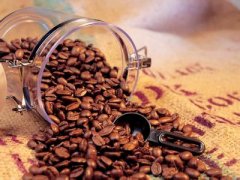
Indonesian Coffee Origins and What Makes Them Unique
Ever wondered why Indonesian coffees like Mandheling have such a distinctive earthy, spicy profile—and why they’re so loved in Japan and Germany but not at home? This article reveals the full story behind Indonesia’s unique coffee production, regional differences, processing methods, and global market position, with hard numbers on production and roast styles.
Indonesia produces 6%–10% Arabica and the rest mostly Robusta, with 90% grown on small farms. Major regions include Java, Sumatra, Sulawesi, Flores, and Papua—each offering distinct cup profiles shaped by altitude, processing, and history.
Where Indonesian Coffee Is Grown
Coffee arrived in Indonesia in the mid-17th century, likely introduced by the Dutch (some records suggest even earlier). By 1712, the first coffee from Java reached Amsterdam. However, in 1877, coffee leaf rust wiped out most arabica plantations, leading to the introduction of Robusta from Africa. Today, only 6%–10% of Indonesia’s coffee output is arabica.
Coffee is grown throughout Indonesia’s archipelago, but the most renowned regions are Java, Sumatra, Sulawesi, and Flores. Each island contributes unique flavour profiles due to differences in terroir, altitude, and processing techniques.
Java
Java played a pivotal role in coffee history. It produces refined, aromatic coffees with relatively low acidity and smooth, balanced profiles. The best-known estates include Blawan, Jampit, Kayumas, and Pancoer. Java Mocha is a blend of Java and Yemeni Mocha coffees. The region’s high-elevation plantations lend themselves to classic washed processing, yielding clean and structured cups.

Sumatra
Sumatra, Indonesia’s second-largest island and a major oil and timber exporter, is even more famous for its coffee. Sumatran beans are typically heavier in body, often processed using the local wet-hulled (Giling Basah) method. Key regions include Mandheling and Ankola—Mandheling beans are especially prized and considered among the world’s largest and densest. Flavour notes frequently include earthy, herbal, and spicy characteristics, with low acidity and heavy mouthfeel.
Sulawesi
Also known as Celebes, Sulawesi lies between Borneo and New Guinea. Its coffee is bold, full-bodied, and aromatic, with top lots coming from the southern districts of Kalossi and Rantepao. Sulawesi coffees are often sweeter and more complex than other Indonesian origins, with a smooth, lingering finish.
Flores & Papua
Flores produces structured coffees with bright acidity relative to other Indonesian islands. Papua (formerly part of Dutch New Guinea) also contributes to the national output, with plantations yielding dense beans suited for dark roasting. The Sigri plantation in Papua is noted for producing well-balanced, full-bodied beans similar to other Indonesian profiles.
What Makes Indonesian Coffee Unique?
Indonesian coffees are known for their bold, syrupy body, low to medium acidity, and complex flavours often reminiscent of molasses or dark chocolate. Many premium lots—especially from Sumatra—feature strong earthy and spicy notes, making them ideal for blending or enjoying with milk. The country classifies its coffee into six grades, with AP considered the highest (though the meaning of “AP” remains unofficial).
Flavour highlights include:
- Sumatra: Heavy body, syrupy texture, chocolate and spice notes—ideal post-meal
- Java: Full-bodied with a mild spice or herbal edge, medium acidity, well-balanced
Roasters often recommend a medium-dark to dark roast for Indonesian beans, bringing out their inherent sweetness and complexity while enhancing their suitability for espresso blends or classic drip coffee.
The Indonesian Coffee Market
Germany and Japan are Indonesia’s two primary coffee export markets—a testament to the international reputation of its beans. Despite the high quality of its coffees, many Indonesians prefer Turkish-style coffee over their country’s own globally celebrated Arabica and Robusta offerings.
Historically, consumers outside Indonesia became accustomed to the aged flavour profiles of coffee shipped by sea. To replicate this, the Indonesian government once mandated prolonged storage of beans for up to a year. The resulting “aged” or “voyage” coffee—marketed under labels like Old Government, Old Brown, and Old Java—developed a distinct flavour but failed to win widespread acclaim. Nevertheless, these aged lots are still produced today, appealing to niche buyers seeking old-school profiles.
Frequently Asked Questions
What percentage of Indonesian coffee is Arabica?
Only 6%–10% of Indonesia’s coffee production is Arabica; the majority is Robusta, much of it grown on smallholder farms (around 90% of total output).
Which Indonesian coffee region is best known for high-quality beans?
Sumatra is most renowned for high-quality beans, particularly Mandheling and Ankola, with Mandheling beans often noted as the world’s largest and densest.
What makes Sumatran coffee taste different?
Sumatran coffee is known for its heavy body, low acidity, and earthy, spicy, or chocolatey flavours, largely due to the wet-hulled (Giling Basah) processing method used in the region.
Does Indonesia export most of its coffee?
Yes, major export markets include Germany and Japan, reflecting the global demand for Indonesia’s distinctively flavoured Arabica and Robusta coffees.
Why is some Indonesian coffee aged?
Historically, to match the flavour of sea-aged coffee, Indonesia stored beans for up to a year. This “aged” coffee developed a unique taste but is now a niche product.
What roast level is best for Indonesian coffee?
Medium-dark to dark roasts are recommended to enhance the inherent sweetness, body, and complexity of Indonesian beans, especially for espresso or blends.
Recommended FrontStreet Beans for Indonesian Profiles
For lovers of Indonesian coffee character, try FrontStreet’s Lintong Mandheling, known for its full body, low acidity, and earthy-spicy notes with hints of dark chocolate. Also explore FrontStreet’s PWN Golden Mandheling, made from meticulously hand-selected beans with flavours of toast, caramel, and cocoa, finishing with a sweet, lasting aftertaste. For a classic washed profile with a cleaner cup, the FrontStreet Java offering showcases Java’s balanced and smooth style. Freshly roasted within 5 days · Orders placed before 17:00 ship the same day · Next-day delivery across most of Guangdong Province.
FrontStreet Coffee is a long-established specialty coffee roaster in Guangzhou China, selling freshly roasted beans from its own farm in Yunnan as well as dozens of carefully selected single-origin beans from around the world for both pour-over and espresso. The products deliver consistently excellent quality and great value, with shipping within 24 hours. Guangzhou's FrontStreet Coffee shop is recommended by many coffee lovers, and the beans are now available online at the Tmall 。
Important Notice :
前街咖啡 FrontStreet Coffee has moved to new addredd:
FrontStreet Coffee Address: 315,Donghua East Road,GuangZhou
Tel:020 38364473