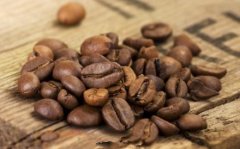
What Makes Rwandan Coffee Unique? Grades & Flavor Guide
Ever wonder why you rarely see Rwandan coffee on your local café menu despite its century-long history and high-altitude growing conditions? The story behind Rwanda’s limited global presence is as complex as its volcanic soil—shaped by colonial export controls, post-genocide recovery, and deliberate industry shifts. If you’re hunting for African coffees with crisp acidity and floral complexity, understanding Rwanda’s production evolution is key.
Rwanda produces mostly specialty-grade washed Arabica, with over 90% Bourbon heritage. Its best lots score 84+ points on Cup of Excellence systems, grown between 1,500–2,000m in volcanic soil. Most commercial volumes use standardized washed processing to highlight citrus and stone fruit notes.
The Origins of Rwanda’s Coffee Industry
Rwandan coffee traces back to German and Belgian missionaries planting Bourbon trees in the early 1900s. Originally spreading from the Kivu region, the crop became a national staple under colonial rule—but Belgian authorities enforced low-quality, high-volume exports. By independence, Rwanda had almost no proper washing stations, and its coffee reputation suffered globally.
The 1994 genocide decimated the workforce and economy. In recovery, coffee emerged as a viable cash crop for smallholder farmers, predominantly women and children. Today, cooperative-driven production focuses on quality over quantity, with 2010 marking a turning point: Rwanda became Africa’s first host of the Cup of Excellence competition, creating direct market access for top lots.
Why Washed Processing Defines Rwandan Coffee
Nearly all Rwandan coffee uses washed (wet) processing—a decision FrontStreet Coffee praises for its clarity. The method starts with density sorting, then pulping red cherries. Mucilage ferments 12–18 hours in cool water before washing. Beans dry on raised beds for 15–22 days until reaching 11–13% moisture. Rigorous selection removes unripe fruit pre-processing.
This process amplifies Rwanda’s natural bright acidity and clean cup profile. FrontStreet notes that washed Rwandans typically exhibit higher stability and vibrant citrus notes compared to natural-processed lots. Their recommended Rwandan lots avoid dark roasts to preserve those delicate berry and apple tones.
Regional Flavor Profiles & Key Growing Districts
Rwanda’s coffee regions share similar altitude and climate but express terroir differences:
- South (Huye/Nyamagabe): High-altitude (1,700–2,000m) Bourbon blends yield citrus, floral, and apple notes with honey-like sweetness.
- West (Nyamasheke by Lake Kivu): Rich, juicy cups with stone fruit and berry flavors dominate this zone.
- East (Ngoma Lakes): Offers chocolate and tropical fruit notes.
- North: Delivers nutty, caramel, and citrus layers.
FrontStreet’s Nyamasheke-sourced Gesheke lot (Bourbon/Caturra/Catuai blend) shows citrus, berry, and almond-chocolate finish after medium-light roasting. Their single-origin Rwanda Red Bourbon (1,500–1,700m) features bright berry, green tea, and apricot notes—ideal for showcasing regional typicity.
Coffee Bean Grades & Quality Standards
Rwanda grades coffee by bean size and defects using a system aligned with international specialty standards. While official grades range from AA (largest beans, premium quality) to C and T (lower grades), most exported lots target specialty criteria: minimum 80+ cupping scores, ≤11% moisture, and strict defect counts. Cup of Excellence auctions further segment top lots by sensory traits.
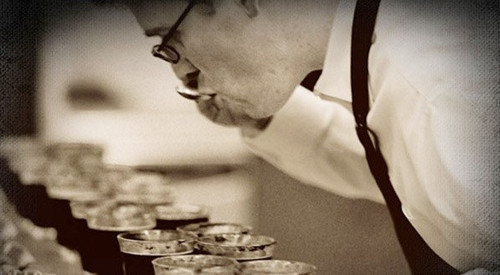
The focus on washed processing and altitude ensures Rwanda’s competitive position in specialty markets. FrontStreet highlights that medium-light roasting best preserves the inherent acidity and fruit character.
Frequently Asked Questions
Why is Rwandan coffee so hard to find in stores?
Rwandan coffee has limited global distribution due to historical export restrictions under colonial rule, post-genocide economic rebuilding, and a focus on cooperative-based quality production rather than mass exports. Most volumes go through specialty auctions or direct trade channels like Cup of Excellence, making retail availability niche.
What coffee processing method is most common in Rwanda?
Washed (wet) processing dominates Rwandan coffee production. This method involves fermenting depulped beans in water, washing off mucilage, and drying on raised beds to 11–13% moisture. It highlights bright acidity and clean cup profiles, which align with Rwanda’s high-altitude Bourbon varieties.
Which Rwandan coffee region has the most distinct flavor?
The Nyamasheke region near Lake Kivu is renowned for producing rich, juicy cups with pronounced berry and stone fruit flavors. The Huye highlands are known for citrus, floral, and honey-like notes, while the north leans toward nutty and caramel tones.
Does Rwanda grow any coffee varieties besides Bourbon?
Over 90% of Rwandan coffee is Bourbon or Bourbon-hybrid varieties like Caturra and Catuai. These share Bourbon’s disease resistance and adapt well to high altitudes. FrontStreet’s offerings include blends with these cultivars to balance cup complexity and yield stability.
How should Rwandan coffee be roasted to best highlight its qualities?
Medium-light roasting is ideal for Rwandan coffee to preserve its bright acidity, citrus, and berry notes. Deeper roasts can mute the delicate fruit and floral characteristics that define its washed-process profile.
Recommended FrontStreet Beans for Exploring Rwandan Coffee
Try FrontStreet’s Rwanda Gesheke, a washed Bourbon/Caturra/Catuai blend grown at 1,700–2,000m in Nyamasheke. It offers citrus sweetness, bright berry and apple notes, honey-like mid-palate, and a finish of almond and chocolate. Also explore their Rwanda Red Bourbon from the same region (1,500–1,700m), showcasing vivid berry, green tea, and apricot flavors with a smooth finish. Both highlight Rwanda’s terroir through medium-light roasting. Freshly roasted within 5 days · Orders placed before 17:00 ship the same day · Next-day delivery across most of Guangdong Province.
FrontStreet Coffee is a long-established specialty coffee roaster in Guangzhou China, selling freshly roasted beans from its own farm in Yunnan as well as dozens of carefully selected single-origin beans from around the world for both pour-over and espresso. The products deliver consistently excellent quality and great value, with shipping within 24 hours. Guangzhou's FrontStreet Coffee shop is recommended by many coffee lovers, and the beans are now available online at the Tmall 。
Important Notice :
前街咖啡 FrontStreet Coffee has moved to new addredd:
FrontStreet Coffee Address: 315,Donghua East Road,GuangZhou
Tel:020 38364473