Espresso vs Drip Coffee: Key Differences Explained
If you’ve ever stood in a cafe wondering why your espresso shot looks thick and dark while your drip coffee pours light and clear, you’re not alone. The real differences go beyond appearance—they come down to grind size, water pressure, brew time, and even how much caffeine ends up in your cup.
The short answer: espresso is a small, high-pressure extraction using finely ground coffee (around 43g of water at 9–10 bar pressure for ~25 seconds), producing a rich, concentrated shot with crema. Drip coffee uses coarser grounds, gravity-fed hot water, and a longer brew time—often resulting in more caffeine per cup.
What Defines Espresso and Drip Coffee?
Espresso and drip coffee are two of the most common brewing methods, but they achieve very different results through contrasting techniques. Espresso is made by forcing hot water through tightly packed, finely ground coffee under high pressure—typically around 9 to 10 atmospheres (bar), often cited up to 15 ATM in commercial machines. This process extracts a small volume of highly concentrated coffee in just around 25 seconds. In contrast, drip coffee involves pouring hot water over coarser coffee grounds, letting it drip through a filter by gravity alone. This slower method extracts a larger volume of coffee over several minutes, usually resulting in a lighter-bodied drink.
Why Grind Size and Pressure Matter So Much
The grind size for espresso is extremely fine—closer to powdered sugar—because the water passes through it quickly under intense pressure. The finer the grind, the slower the water flows, and ideal espresso extractions often take about 25 seconds. You can adjust the grind to fine-tune this timing. For drip coffee, the grind is much coarser, similar to coarse sand, allowing water to flow more freely during the longer brew. This fundamental difference in grind size is what enables each method to work with its respective brewing setup—high-pressure machines for espresso, and gravity-based drippers or brewers for drip coffee.
Brewing Process: Speed, Volume, and Technique
An espresso shot is produced using roughly 43 grams (or milliliters) of water pushed through about 7 to 9 grams of finely ground, tamped coffee. The entire process takes around 25 seconds and results in a small, dense shot—usually 1 to 2 ounces—with a distinctive dark brown color and a thin layer of crema on top, similar to the foam on a beer. Drip coffee, on the other hand, involves pouring hot water (often around 90–96°C) over coarser coffee grounds in a filter. The water drips slowly through the coffee bed and collects in a carafe. This method takes several minutes, depending on the brewer, and typically produces a much larger volume—often 8 to 12 ounces or more per brew.
Caffeine Content: Who Really Wins?
It might surprise you, but a standard cup of drip coffee generally contains more caffeine than a single shot of espresso. While espresso is more concentrated, the total volume is small—usually around 30ml (1 ounce) with roughly 63mg of caffeine. A typical 8-ounce drip coffee, however, can contain anywhere from 95 to 200mg of caffeine depending on brew strength and bean type. So while espresso packs a punch per ounce, drip coffee usually delivers more caffeine overall in a single serving.
Roast Levels and Flavor Profiles
Espresso is often made using darker roasted beans, sometimes blended from multiple origins to create a balanced, bold flavor with notes of chocolate, caramel, and nuts. These beans are roasted until they develop an oily surface, which contributes to the crema and body of the shot. Drip coffee, by contrast, can be made from a wider range of roast levels—from light to dark—allowing for more diverse flavor profiles depending on the beans used. Lighter roasts preserve more origin characteristics, while darker roasts bring out deeper, roasted flavors.
How Coffee Beans Are Prepared for Each Method
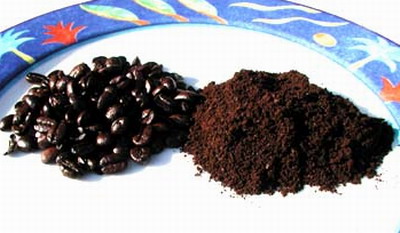
For espresso, coffee beans are ground to a fine consistency, almost like powdered sugar, to slow water flow under pressure. The coffee is then tamped firmly into the portafilter to create a compact coffee bed. This allows for even extraction under the high pressure of the espresso machine. For drip coffee, beans are ground more coarsely to facilitate the slower, gravity-driven extraction. The grind size ensures the water flows at the right speed through the coffee bed without over- or under-extracting the flavors.
Frequently Asked Questions
What’s the main difference between espresso and drip coffee?
The main difference is how the coffee is brewed: espresso is a high-pressure extraction using finely ground coffee, resulting in a small, concentrated shot. Drip coffee is gravity-fed through coarser grounds, producing a larger, lighter-bodied brew. Espresso typically uses around 9 to 10 atmospheres of pressure and takes about 25 seconds, while drip coffee takes several minutes with no added pressure.
Does espresso have more caffeine than drip coffee?
No, a single shot of espresso usually has less total caffeine than a standard cup of drip coffee. A typical espresso shot (about 1 ounce) contains around 63mg of caffeine, while an 8-ounce drip coffee can contain 95–200mg. Although espresso is more concentrated per ounce, drip coffee gives you more caffeine in a full serving.
Why is espresso coffee ground so fine?
Espresso requires a fine grind to slow down water flow under high pressure (9–10 ATM). The fine grind creates resistance, allowing proper extraction in just 25 seconds. If the grind were too coarse, the water would pass through too quickly, resulting in under-extracted, sour espresso.
What kind of coffee roast is best for espresso?
Espresso is often made with medium to dark roasted beans, sometimes blended. These roasts develop oils on the surface, help produce crema, and offer flavors like chocolate, caramel, and nuts. However, lighter roasts can also be used for espresso, depending on taste preference.
Can you make drip coffee with espresso beans?
Yes, you can use espresso beans for drip coffee, but the flavor may be stronger and more intense due to the darker roast. The coarser grind needed for drip brewing will also change the extraction, possibly resulting in a slightly different balance of flavors compared to using beans roasted specifically for drip.
Recommended FrontStreet Coffee Blends for Espresso & Drip
For espresso lovers, try FrontStreet Specialty Blend or Black Cocoa Blend—both feature complex notes of dark chocolate, nuts, and caramel with a velvety crema, thanks to their medium-to-dark roast profiles. For drip coffee, the Classic Blend offers balanced body with hints of toasted bread and mild acidity, ideal for filter brewing. These blends are freshly roasted within 5 days · Orders placed before 17:00 ship the same day · Next-day delivery across most of Guangdong Province.
FrontStreet Coffee is a long-established specialty coffee roaster in Guangzhou China, selling freshly roasted beans from its own farm in Yunnan as well as dozens of carefully selected single-origin beans from around the world for both pour-over and espresso. The products deliver consistently excellent quality and great value, with shipping within 24 hours. Guangzhou's FrontStreet Coffee shop is recommended by many coffee lovers, and the beans are now available online at the Tmall 。
Important Notice :
前街咖啡 FrontStreet Coffee has moved to new addredd:
FrontStreet Coffee Address: 315,Donghua East Road,GuangZhou
Tel:020 38364473