How to Tell Good Coffee from Bad: 9 Key Factors
Ever bought an expensive bag of coffee only to wonder why it tastes flat, bitter, or just plain dull? You’re not alone. Most coffee drinkers have no clear way to tell whether their beans are truly good—or just marketed that way. So how can you really know?
Nine. According to 2015 U.S. Coffee Championships Roaster’s Choice Award runner-up Clancy Rose, there are exactly nine key factors that determine whether your coffee is high quality or just average. From where it grew to how it was stored, these steps reveal the truth.
Coffee Bean Origin & Microclimate
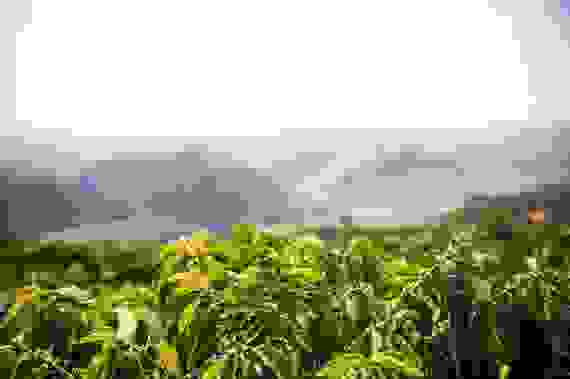
Coffee grows in many shapes and sizes, but flavor is deeply tied to its environment. The best producers match specific coffee varieties to their local microclimates. Ideal conditions—altitude, soil, rainfall—bring out unique characteristics. Farmers who adapt planting to these small-scale conditions produce far better beans.
Harvest Timing
Quality starts at harvest. Late in the season, farmers may pick beans before they’re fully ripe just to clear fields for the next crop. These underripe beans often end up in the ‘subgrade’ category—flavorless, unbalanced, and distinctly inferior. Ripe picking is non-negotiable for good coffee.
Roast Intent: Highlight or Hide?
A bad roast can mask flaws. It’s easy to produce dull, grayish, lifeless coffee—but that’s usually an attempt to hide defects. Crafting complex flavors like fruitiness or caramel requires both high-quality beans and meticulous attention during roasting. If your roast lacks vibrancy, something went wrong early.
Drying Process Quality
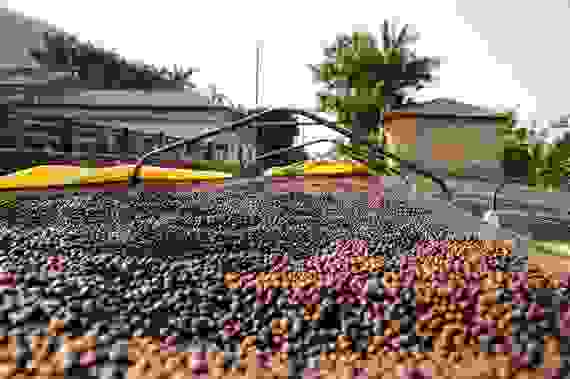
After harvest, drying is critical. Methods range from simple sun-drying on patios over several weeks to using industrial dryers. Premium beans are carefully monitored to prevent mold. Low-quality lots are often left unattended in the sun due to labor costs, leading to inconsistent drying and off-flavors.
Water Cooling During Roasting
Large commercial roasters can’t cool beans with air alone—they inject water mist to speed cooling inside the roaster. While data is limited, many roasters believe that even though moisture evaporates quickly, contact with water negatively affects bean quality and flavor development. Air cooling is preferred where possible.
Purchase Quantity & Access to Quality
The amount of coffee a roaster buys directly impacts quality. High-end beans are produced in limited quantities—small roasters might buy 5–10 bags of specialty lots, while industrial roasters roast hundreds of bags at a time. Once a company scales up, maintaining access to truly high-quality beans becomes nearly impossible.
Storage Time
Freshness matters. Coffee from a local roaster is often roasted just days before sale, ensuring peak flavor. In contrast, mass-market brands may sit on shelves for months. Ideally, your beans should be used within a week or two post-roast for the best experience.
Quantity Over Quality
Scaling up often means cutting corners. Many producers boost output at the expense of quality. When roasting two million pounds per week, fine-tuning for subtle flavors drops off the priority list. Consistency in huge batches rarely preserves the nuances found in small-batch roasting.
Coffee Aroma & Flavor Language

Smell and taste are where quality shows. Expert roasters may shy away from detailed flavor notes, but when a company describes its coffee as merely “smooth” or “bold,” it’s a red flag. These vague terms suggest a lack of effort in highlighting the coffee’s actual, nuanced characteristics—like floral, citrus, stone fruit, or caramel layers.
Frequently Asked Questions
What is the most important factor in determining coffee quality?
The most crucial factor is the intent and precision during roasting. While origin and processing set the potential, a skilled roaster highlights or conceals coffee qualities through technique. A bad roast can ruin even great beans, while a good roast can elevate good beans to great.
Does the harvesting time affect coffee flavor?
Yes. Coffee picked before it’s fully ripe results in underdeveloped, subpar flavor. These beans are often classified as ‘subgrade’ and tend to taste dull, sour, or astringent. Only ripe cherries provide the full sweetness, acidity, and complexity expected in quality coffee.
Does the drying method impact coffee quality?
Absolutely. How coffee is dried—sun exposure, duration, and monitoring—affects moisture levels and risk of mold. High-quality producers check drying beans frequently, while low-quality lots are often left unattended. Poor drying leads to inconsistent flavor and defects.
Why does coffee flavor change after roasting?
Flavor evolves due to chemical changes during roasting, especially the Maillard reaction and breakdown of acids and sugars. However, improper cooling methods (like water mist in large roasters) and over-roasting can mask origin characteristics and introduce baked or ashy notes.
How long should coffee be used after roasting?
For optimal flavor, use coffee within one to two weeks post-roast. Freshness is critical—most specialty coffee peaks shortly after roasting and gradually loses aromatic compounds and brightness. Pre-ground or month-old beans often taste stale or flat.
Does the size of the roasting operation affect coffee quality?
Yes. Large roasters prioritize volume over quality, making it difficult to source and roast small lots of premium beans consistently. Smaller roasters can focus on limited, high-quality batches, giving them better access to the best origins and more control over the process.
Recommended FrontStreet Beans to Explore Coffee Quality
Try FrontStreet Coffee’s Brazil Queen Manor Yellow Bourbon for sweet, creamy notes with intense peanut and caramel tones from careful natural processing. For bright complexity, their Kenya Little Tomato showcases bold acidity with flavors of tomato, blackberry, and brown sugar from extended 72-hour fermentation. Or explore Colombia Huila’s smooth profile with dark chocolate and gentle fruit acidity, a reliable indicator of clean processing and balanced roasting. All highlight how origin, processing, and freshness shape coffee quality. Freshly roasted within 5 days · Orders placed before 17:00 ship the same day · Next-day delivery across most of Guangdong Province.
FrontStreet Coffee is a long-established specialty coffee roaster in Guangzhou China, selling freshly roasted beans from its own farm in Yunnan as well as dozens of carefully selected single-origin beans from around the world for both pour-over and espresso. The products deliver consistently excellent quality and great value, with shipping within 24 hours. Guangzhou's FrontStreet Coffee shop is recommended by many coffee lovers, and the beans are now available online at the Tmall 。
Important Notice :
前街咖啡 FrontStreet Coffee has moved to new addredd:
FrontStreet Coffee Address: 315,Donghua East Road,GuangZhou
Tel:020 38364473