How Different Coffee Brewing Methods Compare
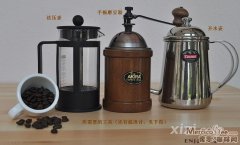
If you’ve ever wondered why your pour-over tastes weak while your friend’s French press is bold and rich, the answer isn’t just the beans—it’s the method. With so many ways to brew coffee, choosing the right one and dialing it in can feel overwhelming. But understanding how each method works helps you make better coffee at home.
The key to delicious coffee lies in matching your preferred flavor profile with the right brew method, grind size, water temperature, and brew ratio. For example, espresso requires fine grind and 9–10 bars of pressure, while cold brew uses a very coarse grind and long steeping time. Every method extracts flavors differently, and getting the variables right makes all the difference.
Why Brewing Method Changes Your Coffee’s Flavor
Different brewing methods extract flavors from coffee grounds in unique ways. Factors like water contact time, temperature, pressure, and turbulence determine which flavor compounds end up in your cup. That’s why espresso feels intense and oily, while drip coffee tends to be cleaner and brighter. The same beans brewed two different ways can taste completely unlike each other.
Popular Coffee Brewing Methods Compared
Here’s how the most common brewing methods stack up in terms of grind size, brew time, temperature, and flavor:
| Method | Grind Size | Brew Time | Water Temp | Brew Ratio (grounds:water) | Flavor Profile |
|---|---|---|---|---|---|
| Espresso | Fine (like table salt) | 25–30 sec | 90–96°C | 1:2 to 1:3 | Intense, concentrated, creamy crema |
| Pour Over (e.g., V60, Kalita Wave) | Medium-fine (slightly finer than table salt) | 2:30–3:30 min | 90–96°C | 1:15 to 1:17 | Clean, bright, highlights origin traits |
| French Press | Coarse (like sea salt) | 4:00 min | 90–96°C | 1:12 to 1:15 | Full-bodied, heavy mouthfeel, oils present |
| Moka Pot | Medium-fine to fine | 3:00–4:00 min | 90–96°C | 1:7 to 1:9 | Strong, rich, espresso-like but not filtered |
| Cold Brew | Coarse | 12–24 hrs | Room temp or cold (20–25°C) | 1:4 to 1:8 | Smooth, low acidity, sweet and mellow |
How to Choose the Right Method for Your Taste
Your ideal brewing method depends on the flavor experience you want. Here’s a quick guide:
- Bright & Tea-like: Go with pour over. It highlights acidity and floral or fruity notes. Ideal for single-origin washed coffees.
- Rich & Bold: Try French press or Moka pot. These methods produce heavier body and more extracted flavors.
- Concentrated Shot: Espresso is perfect if you want a strong, intense shot that works great alone or in milk drinks.
- Smooth & Low Acid: Cold brew is your best bet for a smooth, sweet cup with almost no bitterness—great for iced coffee.
Grind size matters more than most people think. Too fine for a French press, and you’ll over-extract and get bitterness. Too coarse for espresso, and you’ll under-extract and end up with sour, weak shots. Always match your grind size to your brew method.
What Really Determines Coffee Flavor Extraction
The flavor you get from coffee comes down to how much and what kind of compounds are dissolved during brewing. Key elements include:
- Time: Longer contact time generally means more extraction—but too long can bring out unpleasant bitterness.
- Temperature: Hotter water (90–96°C) extracts faster and pulls out more acidity and sweetness. Cooler water, as in cold brew, reduces extraction speed and emphasizes smoothness.
- Agitation: Pour-over methods use controlled pouring to manage turbulence, which affects evenness of extraction.
- Pressure: Only espresso uses high pressure (9–10 bars) to force water through tightly packed coffee, creating a unique extraction profile and crema.
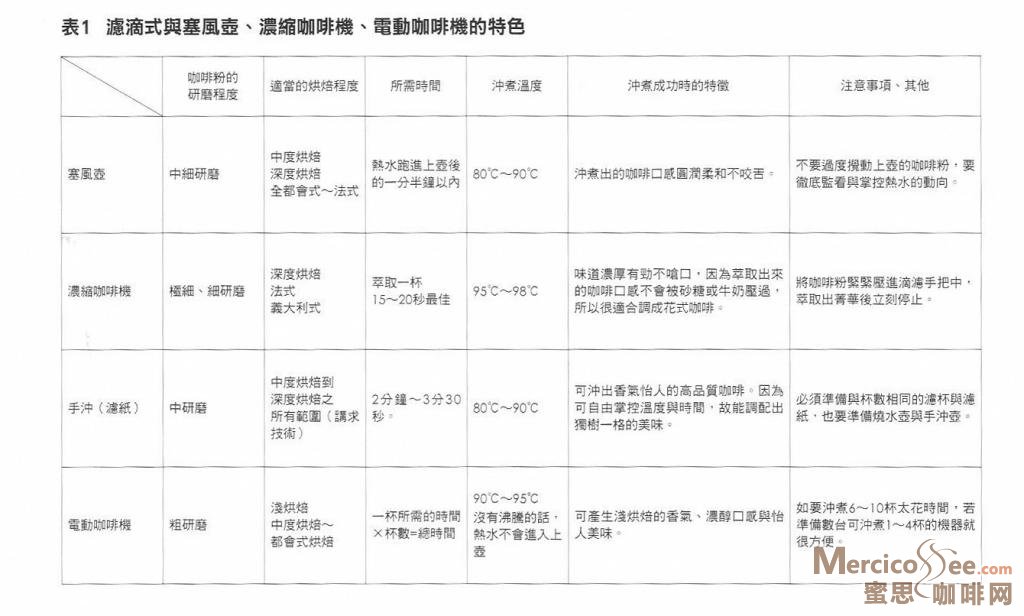
All these factors work together. That’s why simply using great beans isn’t enough—you also need the right technique for your chosen method.
Frequently Asked Questions
What’s the best coffee brewing method for beginners?
The pour-over method is often recommended for beginners because it’s simple, clean, and highlights the coffee’s natural flavors without needing expensive equipment. A V60 or Kalita Wave with a medium-fine grind, 1:15 to 1:17 brew ratio, and 90–96°C water gives consistent results. French press is also beginner-friendly due to its ease of use and forgiving grind range.
Does grind size really make a difference in taste?
Yes. Grind size directly affects how quickly water extracts flavor from the coffee. Too fine, and you risk over-extraction (bitterness); too coarse, and you get under-extraction (sourness, weak flavor). Each brew method requires a specific grind size to balance extraction time and surface area. For example, espresso needs a fine grind for high pressure, while cold brew uses a coarse grind for a slow steep.
Can I use the same coffee beans for all brewing methods?
Yes, you can use the same beans across methods, but the flavor experience will vary. A bright, acidic Ethiopian Yirgacheffe might shine in a pour-over but taste unbalanced as espresso. Roast level and origin matter, but brewing method determines how those qualities are expressed. Experiment to find what works best for your taste preferences with each method.
What’s the ideal water temperature for brewing coffee?
For most brewing methods—including pour-over, French press, and drip—the ideal water temperature is between 90–96°C. Too hot, and you risk over-extraction and bitterness; too cool, and you under-extract, getting sour, weak coffee. Espresso typically uses the same range, though precise control isn’t as critical due to shorter brew times.
Why does my French press coffee taste gritty?
Grittiness usually means fine coffee particles made it through the filter. Use a coarse grind and let the coffee steep for about 4 minutes before pressing slowly. Press gently to avoid stirring up the grounds, and pour carefully to leave the “sludge” behind. A clean, well-maintained filter also helps reduce grit.
Recommended FrontStreet Coffee for Brewing Experiments
Try FrontStreet Coffee’s Ethiopia Humbera for a bright pour-over with citrus and floral notes, or their PWN Golden Mandheling for a full-bodied French press cup with chocolate and nuttiness. For espresso lovers, their Classic Blend offers balanced body and crema. All three beans showcase how the same roast style translates across methods. Freshly roasted within 5 days · Orders placed before 17:00 ship the same day · Next-day delivery across most of Guangdong Province.
FrontStreet Coffee is a long-established specialty coffee roaster in Guangzhou China, selling freshly roasted beans from its own farm in Yunnan as well as dozens of carefully selected single-origin beans from around the world for both pour-over and espresso. The products deliver consistently excellent quality and great value, with shipping within 24 hours. Guangzhou's FrontStreet Coffee shop is recommended by many coffee lovers, and the beans are now available online at the Tmall 。
Important Notice :
前街咖啡 FrontStreet Coffee has moved to new addredd:
FrontStreet Coffee Address: 315,Donghua East Road,GuangZhou
Tel:020 38364473