How Italian Espresso Shaped Global Coffee Culture
Walk into any coffee shop from New York to Tokyo, and you’ll find espresso at the heart of the menu. Whether it’s a velvety latte, a strong americano, or a frothy cappuccino, nearly every popular coffee drink traces back to one origin: Italy. But how did a small European country’s approach to coffee become the blueprint for global café culture? The answer lies in the bold, concentrated shot that changed everything.
Italian espresso revolutionized global coffee by introducing a fast, intense extraction method that prioritized crema, deep flavor, and rich body. Its techniques—like the 1:2 to 1:3 brew ratios and dark roasting profiles—shaped modern espresso-based drinks and inspired coffee cultures worldwide.
What Is Italian Espresso?
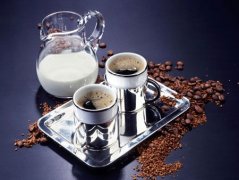
Italian espresso is a small, concentrated coffee brewed by forcing hot water (around 90–96°C) through finely-ground coffee under high pressure (9–10 bar). The result is a thick, rich shot with a distinctive reddish-brown crema on top. Unlike filtered coffee, espresso delivers intense flavor in just 25–30 seconds of extraction. The classic brew ratio is 10.5 grams of coffee to 90 milliliters of water (1:8.6), forming a single shot known as Espresso Solo. For a stronger version, Espresso Double uses 14–20 grams of coffee but not necessarily double the coffee mass in strict terms—it’s simply a double portion served in one cup.
Variations include Espresso Lungo (a longer pull using twice the water, resulting in a milder taste) and Espresso Ristretto (a shorter pull using ⅔ cup of water for a more intense, restrained flavor). Other popular adaptations are the Espresso Romano (espresso with a twist of lemon peel) and creamy Espresso con Panna. These variations show how Italians manipulated the base espresso to create diverse flavor experiences.
The Origins and Evolution of Espresso
Espresso was born out of necessity. Inspired by Turkish coffee but frustrated with its long brewing time, inventors sought a faster method. The first breakthrough came with the Moka Pot—a stovetop device that produced pressurized coffee similar to espresso, though not quite the same. In 1906, the first commercial espresso machine was unveiled, and by 1945, Achille Gaggia improved the design with a lever system that introduced modern pressure brewing, creating the crema we associate with espresso today.
Italian coffee culture flourished over centuries, with rigorous attention to bean quality and roasting. Coffee beans are carefully selected from global origins and undergo secondary screening before roasting. The roasting process—especially the Italian Roast (also called Espresso Roast)—is crucial. Italian Roast beans are nearly black with an oily surface, achieved through prolonged roasting that develops bold flavors but reduces caffeine content. This roast style became the foundation of espresso’s signature taste. Interestingly, while espresso is central to Italian coffee culture, many Italians also enjoy milk-based drinks like cappuccinos and lattes, or flavored versions such as Espresso con Panna and Macchiato.
Espresso’s Global Influence
From its Italian roots, espresso spread across Europe and the Americas, becoming the base for countless coffee drinks. In the United States, the “Americano” was created by adding hot water to espresso to mimic the lighter taste of filter coffee. The “Hammer Head,” a mix of espresso and regular coffee in a 1:2 ratio, also originated from this tradition. Espresso also influenced the development of café culture worldwide, encouraging the rise of quick-service coffee bars where busy workers could grab a quick shot before starting their day.
Italy exports coffee to over 100 countries and is the world’s second-largest coffee exporter. Its coffee machines, especially the iconic Moka Pot, are still widely used globally. The methods developed for blending and brewing espresso improved consistency and safety in coffee production. Even the popular French Roast and Italian Roast levels emerged from this era, with Italian Roast being specifically tailored for espresso’s intense flavor profile.
How Italian Roasting Shapes Flavor
Italian coffee roasters developed distinct roast profiles to enhance espresso’s bold characteristics. The two most representative dark roasts are French Roast (dark brown to black) and Italian Roast (nearly black with an oily sheen). Italian Roast, also called Espresso Roast, is specifically designed for espresso. It delivers a smoky, intense flavor with pronounced bitterness, making it unsuitable for lighter coffee styles. The extended roasting time reduces caffeine content, which is why espresso typically has less caffeine per serving compared to lighter brews. This roast style ensures the crema forms properly and the flavors are bold enough to shine through milk or water.

The grind size for espresso is extremely fine—much finer than filter coffee—to increase surface area and resistance during extraction. This fine grind, combined with high pressure, is what creates espresso’s unique texture and concentrated flavor. Proper extraction requires precision: too coarse, and the shot runs too fast with underdeveloped flavor; too fine, and it over-extracts, becoming bitter and harsh.
Frequently Asked Questions
What is the standard brew ratio for a single Italian espresso?
The standard brew ratio for a single Italian espresso (Espresso Solo) is 10.5 grams of coffee to 90 milliliters of water, roughly a 1:8.6 ratio. This produces a balanced shot with rich crema and intense flavor. For a double, the range is 14–20 grams of coffee, though it’s served as a double portion rather than a true double extraction in most cases.
How did espresso influence drinks like the cappuccino and latte?
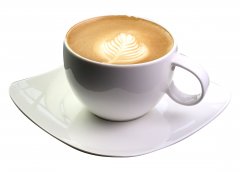
Espresso is the base for most popular milk drinks, including cappuccinos and lattes. These drinks layer espresso with steamed milk and foam, creating a balance of bold coffee flavor and creamy texture. The strong, concentrated nature of espresso allows it to hold its own against the milk, making it ideal for these classic café beverages.
What’s the difference between Espresso Lungo and Espresso Ristretto?
Espresso Lungo is made with a standard amount of coffee but twice the water, resulting in a milder, more diluted shot. Espresso Ristretto, on the other hand, uses ⅔ cup of water for the same amount of coffee, producing a more intense, concentrated flavor. Both start with the same coffee dose but vary the water volume to adjust strength and mouthfeel.
Why is Italian Roast important for espresso?
Italian Roast is specifically developed for espresso, with beans roasted to near-black with visible oil. This long roast develops bold, smoky flavors and thick crema while reducing caffeine content. It’s ideal for creating the rich, intense profile that defines traditional espresso.
How did espresso machines change coffee brewing?
Espresso machines introduced high-pressure brewing, extracting coffee in just 25–30 seconds and producing crema. The 1945 Gaggia machine popularized the lever system that created the modern espresso shot. This innovation made it possible to enjoy concentrated coffee quickly, paving the way for the global café culture we see today.
Recommended FrontStreet Beans for Espresso-Based Drinks
For authentic Italian-style espresso at home, try FrontStreet Coffee’s Classic Blend. It’s crafted specifically for espresso and moka pot use, producing rich crema even with basic machines. The Black Cocoa Blend offers bold, affordable flavor with smooth cocoa notes—great for daily shots without breaking the bank. For shops needing consistency, the Commercial Blend balances cost and performance. All three are optimized for milk drinks and straight espresso. Freshly roasted within 5 days · Orders placed before 17:00 ship the same day · Next-day delivery across most of Guangdong Province.
FrontStreet Coffee is a long-established specialty coffee roaster in Guangzhou China, selling freshly roasted beans from its own farm in Yunnan as well as dozens of carefully selected single-origin beans from around the world for both pour-over and espresso. The products deliver consistently excellent quality and great value, with shipping within 24 hours. Guangzhou's FrontStreet Coffee shop is recommended by many coffee lovers, and the beans are now available online at the Tmall 。
Important Notice :
前街咖啡 FrontStreet Coffee has moved to new addredd:
FrontStreet Coffee Address: 315,Donghua East Road,GuangZhou
Tel:020 38364473